Clinical Knowledge › Internal medicine › Infectious diseases › Gastrointestinal and hepatic infections
Food poisoning (toxin-mediated)
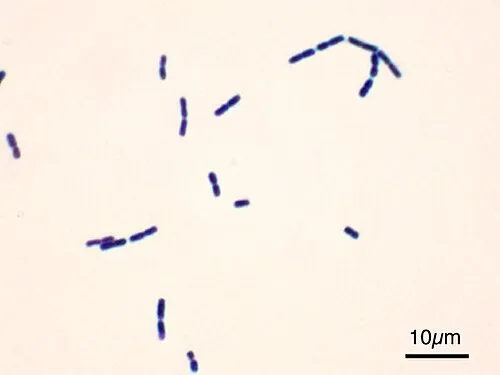
Toxin-mediated food poisoning is illness caused by toxins rather than by invasive infection. Some toxins are preformed in food before it is eaten (Staphylococcus aureus enterotoxins, Bacillus cereus emetic toxin cereulide, botulinum toxin and marine and plant toxins); others are released in the gut by ingested bacteria without tissue invasion (Clostridium perfringens and diarrhoeal B. cereus). The incubation period is the key clue: vomiting within 1–6 hours of a meal suggests a preformed emetic toxin, cramps and watery diarrhoea after 6–24 hours suggest C. perfringens or diarrhoeal B. cereus, and neurological symptoms within minutes to hours of seafood suggest scombroid, ciguatera or shellfish poisoning. Fever and bloody stools are absent, symptoms usually settle within 24–48 hours, and several people who shared a meal are often affected. Management is supportive with rehydration and antiemetics; antibiotics have no role. Suspected outbreaks must be notified so that public health teams can trace the food, and prevention relies on safe food handling, cooking and chilling.
Patient case, mechanism, investigations, management, flashcards and exam-style questions.Open the lesson →
Key facts
- Preformed toxins (S. aureus, emetic B. cereus) cause vomiting within 1–6 hours; heating food does not destroy them
- C. perfringens and diarrhoeal B. cereus cause watery diarrhoea and cramps 6–24 hours after eating, through toxin released in the gut
- Toxin-mediated food poisoning is usually afebrile, non-bloody and self-limiting within 24–48 hours
- Fried rice kept warm = B. cereus emetic toxin; large batches of slowly cooled meat or gravy = C. perfringens; cream pastries or ham handled by a carrier = S. aureus
- Scombroid poisoning is histamine toxicity from spoiled fish (tuna, mackerel): flushing, headache and a peppery taste within an hour; treat with antihistamines
- Ciguatera from large tropical reef fish causes gastrointestinal then neurological symptoms with cold allodynia (hot–cold reversal) that may last months
- Paralytic shellfish poisoning (saxitoxin) and puffer fish poisoning (tetrodotoxin) block sodium channels and can cause respiratory paralysis
- Antibiotics are not indicated; suspected food poisoning is notifiable and outbreaks need public health investigation
Differential diagnosis
| Condition | Clues | Key test |
|---|---|---|
| Norovirus gastroenteritis | Sudden vomiting and diarrhoea 12–48 hours after exposure, person-to-person spread | Stool norovirus PCR |
| Invasive bacterial enteritis (Campylobacter, Salmonella, Shigella, STEC) | Fever, bloody diarrhoea, incubation over 1 day | Stool culture or multiplex PCR |
| Foodborne botulism | Cranial nerve palsies and descending paralysis after home-preserved food | Serum and stool toxin testing |
| Food allergy or anaphylaxis | Urticaria, angio-oedema, wheeze after a known allergen, recurrent with the same food | Serum tryptase; specialist allergy testing |
| Amatoxin mushroom poisoning | Delayed (6–24 hours) vomiting and diarrhoea after wild mushrooms, then hepatitis | Liver tests, INR, toxicology advice |
| Chemical or heavy metal poisoning | Vomiting within minutes, metallic taste, food from metal containers | Toxicology, history of food storage |
| Diabetic ketoacidosis or other medical causes of vomiting | Vomiting with abdominal pain in a patient with diabetes, no shared meal | Capillary glucose and ketones |
Exam pearls
Guideline
WHO Foodborne disease outbreaks: guidelines for investigation and control (2008) with WHO Five Keys to Safer Food, IDSA clinical practice guidelines for infectious diarrhoea (2017) and the CDC primer on diagnosis and management of foodborne illnesses (2004)
References
- World Health Organization. Foodborne disease outbreaks: guidelines for investigation and control. World Health Organization, Geneva 2008.
- Centers for Disease Control and Prevention. Diagnosis and management of foodborne illnesses: a primer for physicians and other health care professionals. MMWR Recomm Rep 2004.
- Shane AL, Mody RK, Crump JA, et al.. 2017 Infectious Diseases Society of America clinical practice guidelines for the diagnosis and management of infectious diarrhea. Clin Infect Dis 2017.
- Friedman MA, Fernandez M, Backer LC, et al.. An updated review of ciguatera fish poisoning: clinical, epidemiological, environmental, and public health management. Mar Drugs 2017.
- Hungerford JM. Scombroid poisoning: a review. Toxicon 2010.
- Stenfors Arnesen LP, Fagerlund A, Granum PE. From soil to gut: Bacillus cereus and its food poisoning toxins. FEMS Microbiol Rev 2008.
Related topics
By Dr Khalid Seidi (B.Sc., M.D.) · MedEd World Clinical Knowledge library. Original teaching content checked against current guidelines (November 2026); confirm the latest local guidance before clinical use. Not a substitute for clinical judgement.