Clinical Knowledge › Urology › Clinical problems
Haematospermia: approach to the patient
Haematospermia is blood in the ejaculate. It alarms patients but is usually benign and self-limiting, especially in young men. The commonest identifiable cause today is iatrogenic, after prostate biopsy, radiotherapy or other urological procedures; others are infection and inflammation of the prostate, seminal vesicles, urethra or epididymis (including chlamydia, gonorrhoea, tuberculosis and Schistosoma haematobium), ejaculatory duct obstruction and cysts, seminal vesicle stones, prostatic varices, uncontrolled hypertension, bleeding disorders or anticoagulation, and – rarely – cancer of the prostate, bladder, seminal vesicle or testis. Assessment aims to separate low-risk men who need reassurance from those who need investigation: age 40 or over, persistent or recurrent bleeding, associated haematuria, LUTS, weight loss, abnormal DRE, travel to schistosomiasis-endemic areas or STI risk. Basic tests are urinalysis and culture, STI testing, blood pressure, full blood count, clotting where relevant, and PSA with DRE in older men after counselling.
Patient case, mechanism, investigations, management, flashcards and exam-style questions.Open the lesson →
Key facts
- Most haematospermia is benign and self-limiting; idiopathic cases are common in men under 40
- Prostate biopsy is the commonest identifiable cause; haematospermia after biopsy can last several weeks
- Men 40 or older, or with persistent or recurrent episodes, need PSA (after counselling) and DRE to exclude prostate cancer
- In a series of 300 men, prostate cancer was found only in men over 40 with a raised PSA or abnormal DRE; routine cystoscopy and imaging had very low yield
- Associated visible haematuria requires a full haematuria work-up (cystoscopy and upper tract imaging)
- Infective causes: chlamydia, gonorrhoea, urinary pathogens, tuberculosis, Schistosoma haematobium, HSV, CMV
- Check blood pressure and anticoagulant or antiplatelet use; consider bleeding disorders and liver disease
- Persistent cases: transrectal ultrasound or MRI of prostate and seminal vesicles can show cysts, calculi, ejaculatory duct obstruction or tumour
Differential diagnosis
| Condition | Clues | Key test |
|---|---|---|
| Post-procedural (biopsy, brachytherapy, TURP, vasectomy) | Recent instrumentation; resolves over weeks | History; no tests if typical |
| Prostatitis or seminal vesiculitis | Perineal pain, painful ejaculation, dysuria, tender prostate | Urinalysis, MSU, NAAT; semen culture if chronic |
| Sexually transmitted urethritis | Discharge, dysuria, new partner | First-void urine NAAT for chlamydia and gonorrhoea |
| Prostate cancer | Age over 40, persistent, abnormal DRE, raised PSA | PSA, DRE, MRI prostate |
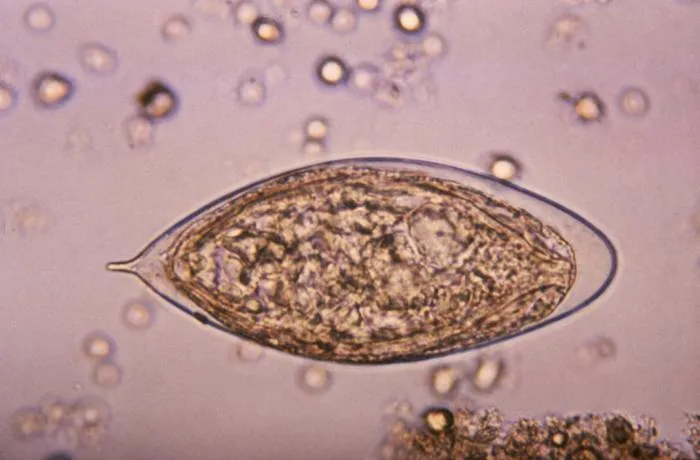
| Urogenital schistosomiasis | Freshwater exposure in Africa or Middle East; haematuria | Urine and semen microscopy for ova; serology |
| Genitourinary tuberculosis | Endemic exposure, sterile pyuria, beaded vas | Early-morning urine mycobacterial culture × 3 |
| Ejaculatory duct obstruction or midline cyst | Recurrent haematospermia, low ejaculate volume, infertility | Transrectal ultrasound or MRI |
| Systemic: hypertension, coagulopathy, anticoagulants | Very high BP, bruising, warfarin or DOAC | BP, FBC, clotting screen |
Exam pearls
Guideline
No dedicated international guideline; approach based on systematic and narrative reviews (Kumar 2006; Ahmad 2007), EAU-EANM-ESTRO-ESUR-ISUP-SIOG Prostate Cancer guideline (2024 update), EAU Urological Infections guideline (2025) and NICE NG12 suspected cancer guidance
References
- Kumar P, Kapoor S, Nargund V. Haematospermia - a systematic review. Ann R Coll Surg Engl 2006.
- Ahmad I, Krishna NS. Hemospermia. J Urol 2007.
- Ng YH, Seeley JP, Smith G. Haematospermia as a presenting symptom: outcomes of investigation in 300 men. Surgeon 2013.
- Cornford P, van den Bergh RCN, Briers E, et al.. EAU-EANM-ESTRO-ESUR-ISUP-SIOG Guidelines on Prostate Cancer-2024 Update. Part I: Screening, Diagnosis, and Local Treatment with Curative Intent. Eur Urol 2024.
- National Institute for Health and Care Excellence. Suspected cancer: recognition and referral (NG12). NICE, London 2015.
- European Association of Urology. EAU Guidelines on Urological Infections (incl. epididymitis and orchitis). EAU Guidelines Office, Arnhem 2025.
Related topics
By Dr Khalid Seidi (B.Sc., M.D.) · MedEd World Clinical Knowledge library. Original teaching content checked against current guidelines (November 2026); confirm the latest local guidance before clinical use. Not a substitute for clinical judgement.