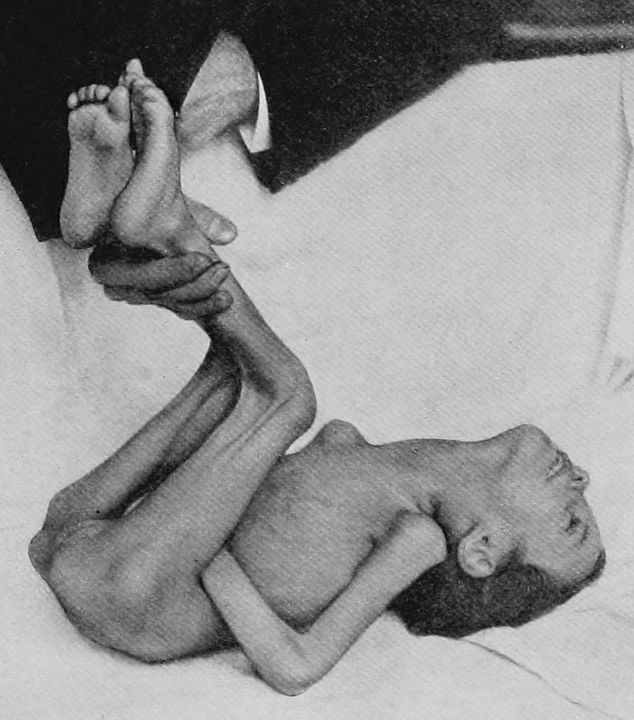
Kernig sign
With the hip flexed to 90°, passive knee extension is painful or resisted.
MCCQE pearl: Sensitivity is low: a negative Kernig or Brudzinski sign never rules out meningitis. If you suspect it, give antibiotics and do the LP.
25 illustrated signs plus 37 more in quick tables: how to elicit each sign, the condition it points to, and the MCCQE pearl that turns it into a correct answer in a clinical vignette. Turn on Quiz me to hide the answers and test yourself.

With the hip flexed to 90°, passive knee extension is painful or resisted.
MCCQE pearl: Sensitivity is low: a negative Kernig or Brudzinski sign never rules out meningitis. If you suspect it, give antibiotics and do the LP.

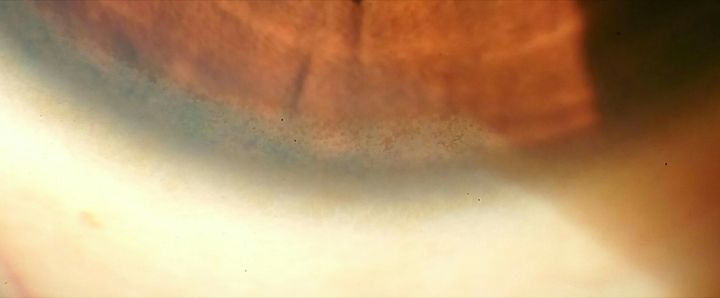
Golden-brown copper ring at the edge of the cornea (limbus), best seen with a slit lamp.
MCCQE pearl: Young patient with liver disease, tremor or psychiatric change: check ceruloplasmin, 24-hour urine copper and a slit-lamp exam.

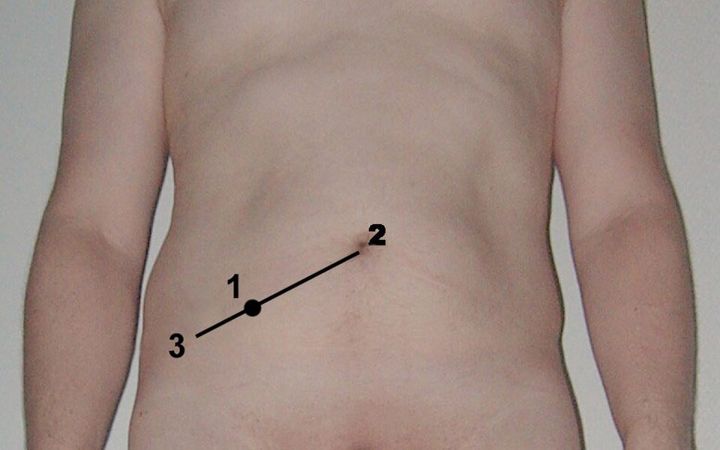
Maximal tenderness one-third of the way from the right ASIS to the umbilicus.
MCCQE pearl: Add Rovsing, psoas and obturator signs. Ultrasound first in children and pregnancy; CT in most adults.
🔓 Free preview: 3 of 25 signs. MCCQE subscribers see all 25 illustrated signs and 37 more in quick tables.
No illustrated sign matches – check the tables below.
Illustrations are from Wikimedia Commons under the open licences shown on each picture (public domain, CC0, CC BY or CC BY-SA); photos are reproduced at reduced size without other changes. Text is original. MCCQE is an examination of the Medical Council of Canada (MCC); MedEd World is not affiliated with or endorsed by the MCC. Always confirm management against current Canadian guidelines.