Clinical Knowledge › Internal medicine › Cardiology and angiology › Basics of cardiology
Cardiac biomarkers (troponin, natriuretic peptides)
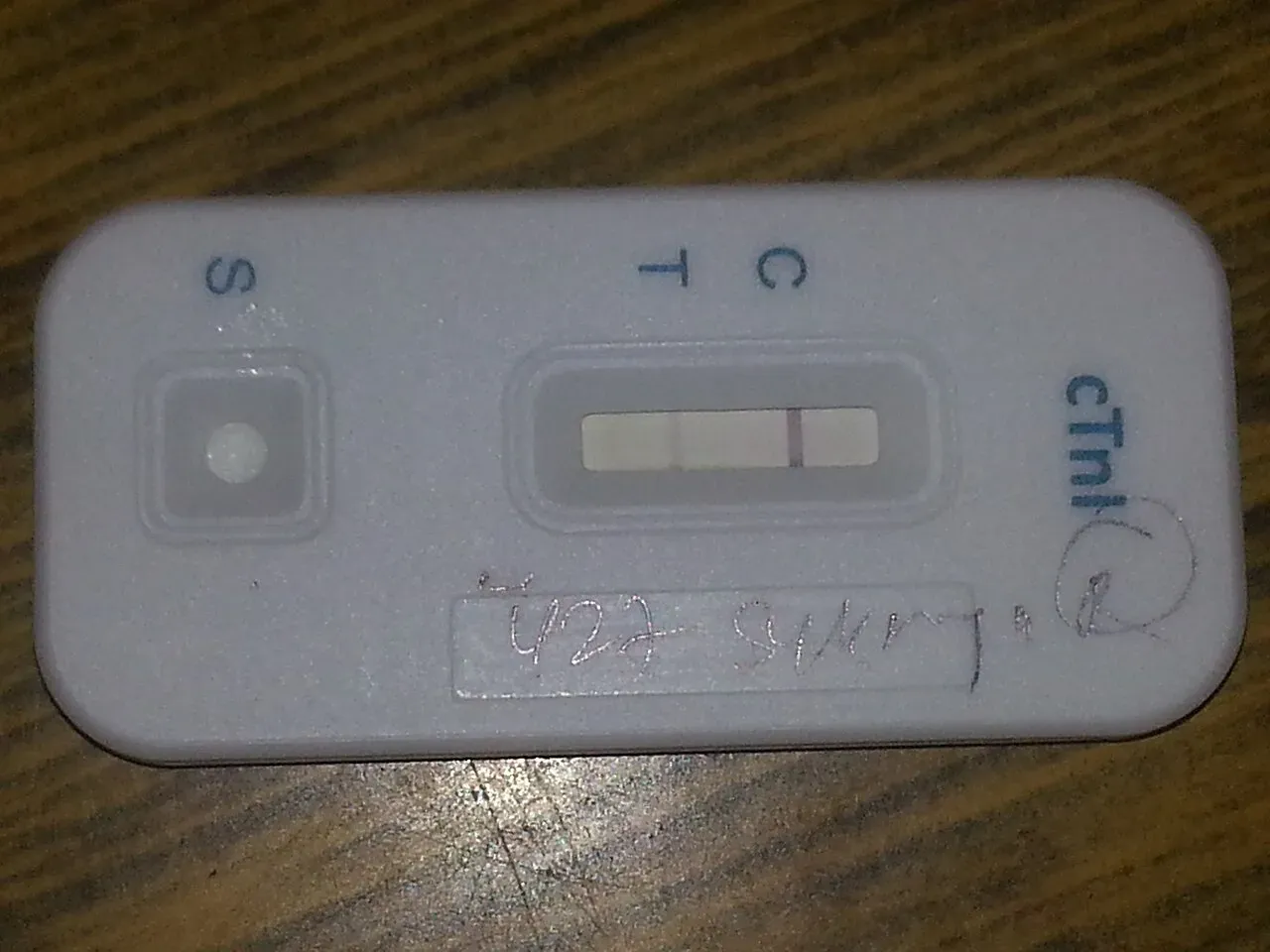
Cardiac biomarkers are blood tests that reflect myocardial injury or wall stress. Cardiac troponins I and T are structural proteins of the contractile apparatus; high-sensitivity assays detect tiny concentrations and a value above the 99th percentile upper reference limit defines myocardial injury. Myocardial infarction requires a rise and/or fall of troponin plus clinical evidence of acute ischaemia, as set out in the Fourth Universal Definition. Rapid algorithms using samples at 0 and 1 hour (or 0 and 2 hours) safely rule out or rule in non-ST-elevation myocardial infarction, but many conditions besides coronary occlusion raise troponin, including heart failure, pulmonary embolism, myocarditis, sepsis and kidney disease. B-type natriuretic peptide (BNP) and NT-proBNP are released from stretched ventricular myocardium; normal values make heart failure unlikely (NT-proBNP below 125 pg/mL non-acute, below 300 pg/mL acute), while high values support the diagnosis and predict risk. Age, kidney function, atrial fibrillation, obesity and sacubitril all modify interpretation.
Patient case, mechanism, investigations, management, flashcards and exam-style questions.Open the lesson →
Key facts
- Myocardial injury = cardiac troponin above the 99th percentile upper reference limit; acute if there is a rise and/or fall
- Myocardial infarction = acute myocardial injury plus evidence of ischaemia (symptoms, new ischaemic ECG change, Q waves, imaging or angiographic thrombus)
- Type 1 MI = atherothrombotic plaque event; type 2 MI = supply–demand mismatch (anaemia, tachyarrhythmia, hypotension, hypoxaemia)
- ESC 0h/1h algorithm with high-sensitivity troponin is preferred; 0h/2h is the alternative; a third sample at 3 hours for the observe zone
- Troponin rises within 1–3 hours with high-sensitivity assays, peaks at about 24 hours and stays raised for 7–14 days
- NT-proBNP rule-out: below 125 pg/mL (non-acute) and below 300 pg/mL (acute); BNP below 35 pg/mL and below 100 pg/mL respectively
- Natriuretic peptides are higher with age, kidney dysfunction and atrial fibrillation, and lower with obesity
- Sacubitril (neprilysin inhibition) raises BNP but not NT-proBNP, so use NT-proBNP to monitor patients on sacubitril/valsartan
Differential diagnosis
| Condition | Clues | Key test |
|---|---|---|
| Type 1 NSTEMI | Ischaemic chest pain, dynamic troponin rise above the 99th percentile, ST depression | Serial hs-troponin (0h/1h), ECG, invasive angiography |
| Type 2 myocardial infarction | Troponin rise with an obvious supply–demand trigger (anaemia, sepsis, tachyarrhythmia) | Treat trigger; selective coronary evaluation |
| Acute myocarditis | Young patient, viral prodrome, chest pain, raised troponin, diffuse ST change | Cardiac MRI (Lake Louise criteria), echocardiography |
| Pulmonary embolism | Breathlessness, tachycardia, raised troponin and NT-proBNP from RV strain | CT pulmonary angiography; biomarkers for risk stratification |
| Chronic kidney disease | Stable mildly raised troponin without delta and without ischaemic symptoms | Serial measurement to look for an acute change |
| Acute heart failure | Breathlessness, oedema, NT-proBNP well above age-adjusted cut-off, often chronic troponin elevation | Echocardiography, chest X-ray |
| Takotsubo syndrome | Emotional trigger, modest troponin rise but high NT-proBNP, apical ballooning | Coronary angiography and echocardiography |
| Aortic dissection | Tearing pain, pulse deficit; troponin may rise if a coronary ostium is involved | CT aortography before antithrombotic therapy |
Exam pearls
Guideline
Fourth Universal Definition of Myocardial Infarction (2018), 2023 ESC and 2025 ACC/AHA acute coronary syndromes guidelines, 2021 ESC heart failure guideline with 2023 focused update and 2026 ESC heart failure guideline, and HFA practical guidance on natriuretic peptides (2019)
References
- Thygesen K, Alpert JS, Jaffe AS, et al.. Fourth Universal Definition of Myocardial Infarction (2018). Circulation 2018.
- Byrne RA, Rossello X, Coughlan JJ, et al.. 2023 ESC Guidelines for the management of acute coronary syndromes. Eur Heart J 2023.
- Rao SV, O'Donoghue ML, Ruel M, et al.. 2025 ACC/AHA/ACEP/NAEMSP/SCAI Guideline for the Management of Patients With Acute Coronary Syndromes. Circulation 2025.
- Mueller C, McDonald K, de Boer RA, et al.. Heart Failure Association of the European Society of Cardiology practical guidance on the use of natriuretic peptide concentrations. Eur J Heart Fail 2019.
- McDonagh TA, Metra M, Adamo M, et al.. 2021 ESC Guidelines for the diagnosis and treatment of acute and chronic heart failure. Eur Heart J 2021.
- Køber L, Adamo M, et al.. 2026 ESC Guidelines for the management of heart failure. Eur Heart J 2026.
Related topics
By Dr Khalid Seidi (B.Sc., M.D.) · MedEd World Clinical Knowledge library. Original teaching content checked against current guidelines (November 2026); confirm the latest local guidance before clinical use. Not a substitute for clinical judgement.