Clinical Knowledge › Anaesthesiology › Basics of anaesthesiology
WHO surgical safety checklist
The WHO Surgical Safety Checklist (2008–2009) is a 19-item tool that structures team communication at three points of every operation: Sign In before induction of anaesthesia, Time Out before skin incision, and Sign Out before the patient leaves the operating room. It confirms identity, site, procedure and consent, checks the anaesthesia machine, pulse oximeter, allergies, airway and aspiration risk and expected blood loss, ensures antibiotic prophylaxis within 60 minutes of incision, prompts discussion of critical events, and closes with counts, specimen labelling and handover concerns. In the eight-hospital Safe Surgery Saves Lives study, introduction was associated with mortality falling from 1.5% to 0.8% and complications from 11% to 7%. Later mandatory roll-out (Ontario, 2014) showed no significant change, underlining that benefit depends on genuine team engagement rather than ticking boxes. The checklist is part of a wider safety culture: team brief and debrief, 'Stop Before You Block', human factors and prevention of never events such as wrong-site surgery and retained items.
Patient case, mechanism, investigations, management, flashcards and exam-style questions.Open the lesson →
Key facts
- Three phases: Sign In (before induction), Time Out (before skin incision), Sign Out (before the patient leaves theatre)
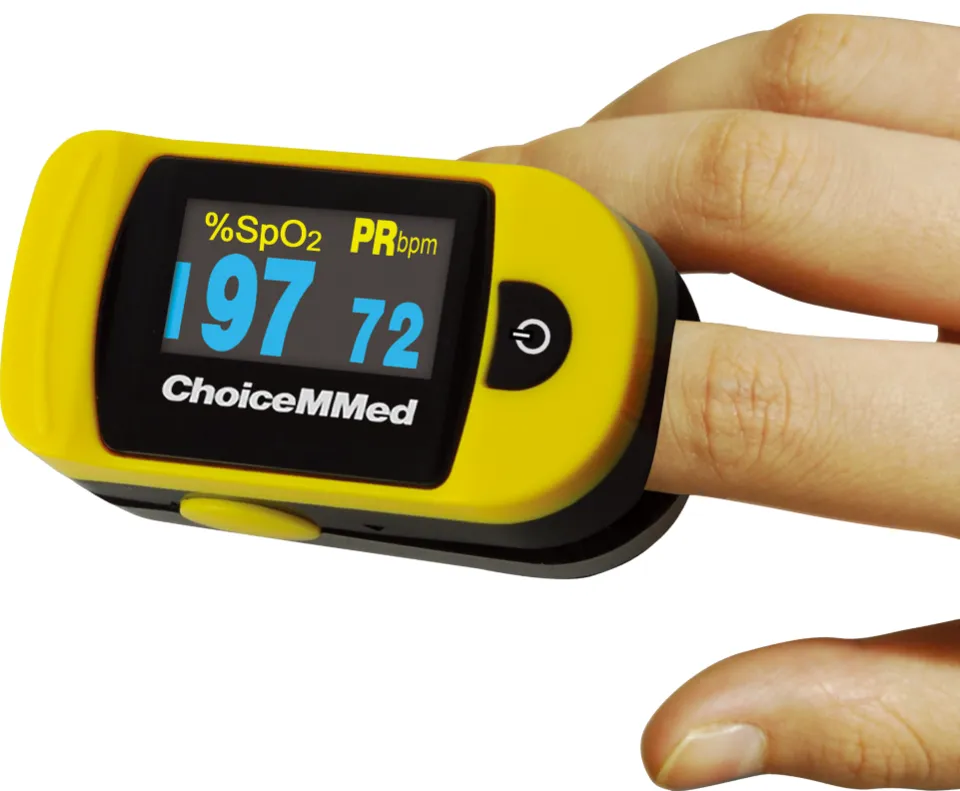
- Sign In: identity, site, procedure, consent; site marked; anaesthesia safety check; pulse oximeter on and working; allergy; difficult airway or aspiration risk; risk of blood loss above 500 mL (7 mL/kg in children)
- Time Out: team introductions by name and role; confirm patient, site and procedure; antibiotic prophylaxis within the last 60 minutes; anticipated critical events; imaging displayed
- Sign Out: procedure recorded; instrument, swab and needle counts correct; specimens labelled (read aloud with patient name); equipment problems; key concerns for recovery
- Safe Surgery Saves Lives (NEJM 2009): mortality 1.5% to 0.8%; inpatient complications 11.0% to 7.0% across eight hospitals in high-, middle- and low-income settings
- Ontario mandatory implementation (NEJM 2014): no significant reduction in mortality or complications, highlighting implementation quality
- UK NatSSIPs (2015, updated NatSSIPs 2 in 2023) extend the checklist to all invasive procedures with the 'five steps to safer surgery': brief, sign in, time out, sign out, debrief
- 'Stop Before You Block': immediately before inserting the needle for a peripheral nerve block, the anaesthetist and assistant re-check side and site to prevent wrong-sided blocks
Differential diagnosis
| Condition | Clues | Key test |
|---|---|---|
| Wrong-site surgery | Laterality or level error; site not marked or covered by drapes | Time Out with visible site mark; imaging for spinal level |
| Wrong-sided nerve block | Distraction or delay between Time Out and block | 'Stop Before You Block' check |
| Retained foreign object | Count discrepancy, rushed closure | Recount; intraoperative X-ray |
| Wrong patient | Similar names, no wristband check | Two identifiers; patient verbal confirmation |
| Wrong implant or prosthesis | Implant not checked against plan | Read-back at Time Out and before implantation |
| Unrecognised allergy | Allergy not checked at Sign In | Allergy wristband; Sign In question |
| Missed antibiotic prophylaxis | Given too early or omitted | Time Out question; timing within 60 minutes |
Exam pearls
Guideline
WHO Guidelines for Safe Surgery 2009 and WHO Surgical Safety Checklist; NHS England National Safety Standards for Invasive Procedures (NatSSIPs 2, 2023)
References
- World Health Organization. WHO guidelines for safe surgery 2009: safe surgery saves lives. World Health Organization, Geneva 2009.
- World Health Organization. Surgical Safety Checklist and Implementation Manual. World Health Organization, Geneva 2009.
- Haynes AB, Weiser TG, Berry WR, et al.. A surgical safety checklist to reduce morbidity and mortality in a global population. N Engl J Med 2009.
- Urbach DR, Govindarajan A, Saskin R, Wilton AS, Baxter NN.. Introduction of surgical safety checklists in Ontario, Canada. N Engl J Med 2014.
- Centre for Perioperative Care / NHS England. National Safety Standards for Invasive Procedures 2 (NatSSIPs 2). CPOC 2023.
- NHS England. Never Events policy and framework and Never Events list. NHS England 2018.
Related topics
By Dr Khalid Seidi (B.Sc., M.D.) · MedEd World Clinical Knowledge library. Original teaching content checked against current guidelines (November 2026); confirm the latest local guidance before clinical use. Not a substitute for clinical judgement.