Clinical Knowledge › Ear, nose and throat › Relevant pharmacology
Antihistamines and nasal decongestants
H1 antihistamines and nasal decongestants are the most widely used medicines for rhinitis and colds, and most are bought without prescription. H1 antihistamines are inverse agonists that relieve itch, sneezing and watery rhinorrhoea but help congestion little. Second-generation oral agents (cetirizine, loratadine, fexofenadine, bilastine) are preferred because first-generation drugs such as chlorphenamine and promethazine cross the blood–brain barrier, sedate, impair driving and learning and have anticholinergic effects. Intranasal azelastine acts within 15 minutes and, combined with fluticasone, is the most effective spray for uncontrolled allergic rhinitis. Decongestants are alpha-adrenergic agonists that shrink the nasal venous sinusoids. Topical xylometazoline or oxymetazoline works within minutes but, used for more than 5–7 days, causes rebound rhinitis medicamentosa. Oral pseudoephedrine is effective but raises blood pressure and has been linked to rare PRES and RCVS; oral phenylephrine is ineffective. Neither class should be given to children under 6 for colds.
Patient case, mechanism, investigations, management, flashcards and exam-style questions.Open the lesson →
Key facts
- Second-generation antihistamines (cetirizine 10 mg, loratadine 10 mg, fexofenadine 120–180 mg, bilastine 20 mg once daily; teaching doses) are preferred to first-generation drugs
- Antihistamines relieve sneezing, itch and rhinorrhoea; congestion responds better to intranasal corticosteroids or decongestants
- ARIA-EAACI 2024–2025: intranasal corticosteroid over oral antihistamine; oral antihistamine over montelukast; suggest not adding montelukast
- First-generation antihistamines cause sedation, impaired driving and anticholinergic effects (urinary retention, confusion, dry mouth, glaucoma)
- Topical decongestants (xylometazoline, oxymetazoline) should be used for no more than 5–7 days to avoid rhinitis medicamentosa
- Pseudoephedrine (60 mg every 4–6 hours, max 240 mg/day in adults; teaching dose) is contraindicated in severe or uncontrolled hypertension and severe kidney disease
- Oral phenylephrine is ineffective as a decongestant because of extensive first-pass metabolism; the FDA proposed removing it in 2024
- Do not give over-the-counter cough and cold medicines containing antihistamines or decongestants to children under 6
Differential diagnosis
| Condition | Clues | Key test |
|---|---|---|
| Rhinitis medicamentosa | Constant congestion relieved briefly by each spray; daily decongestant for weeks | History; red, swollen mucosa |
| Allergic rhinitis | Sneezing, itch, watery discharge, seasonal or perennial triggers | Skin prick or specific IgE |
| Viral upper respiratory infection | Sore throat, fever, cough, self-limiting in 7–10 days | Clinical |
| Anticholinergic toxicity from antihistamine | Confusion, dry skin, urinary retention, tachycardia, mydriasis | Drug history; ECG for QRS |
| Pseudoephedrine-induced hypertensive crisis or RCVS | Thunderclap headache, high BP after decongestant | BP, CT/CT angiography or MRI |
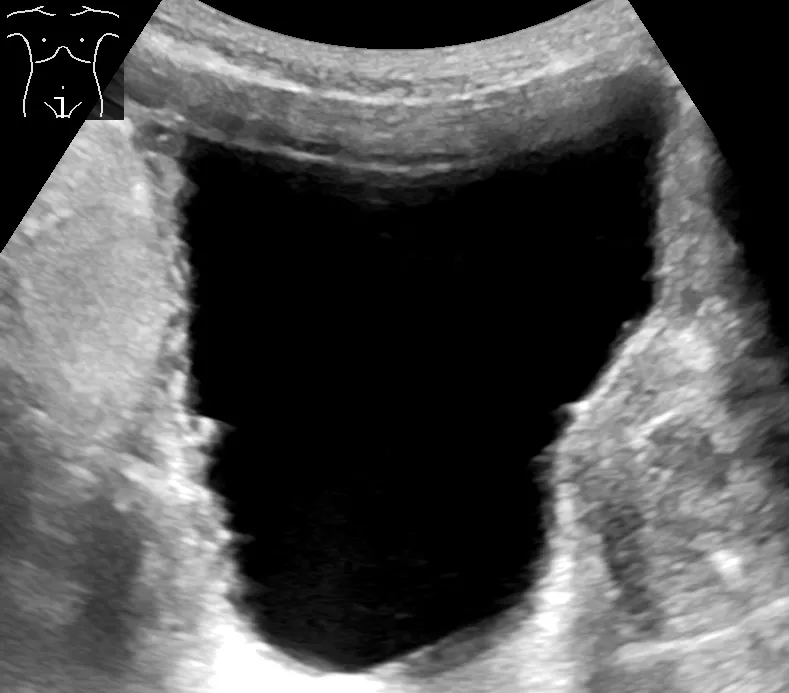
| Drug-induced acute urinary retention | Older man with BPH after cold remedy | Bladder scan |
| Non-allergic (vasomotor) rhinitis | Rhinorrhoea with cold air or smells; negative allergy tests | Negative skin tests |
Exam pearls
Guideline
ARIA-EAACI allergic rhinitis guidelines 2024–2025 revision (Part I intranasal and Part II oral/ocular treatments, published 2026), BSACI rhinitis guideline (2017), EMA/MHRA pseudoephedrine safety review (2024) and FDA proposed order on oral phenylephrine (2024)
References
- Vieira RJ, Sousa-Pinto B, Bousquet J, et al.. Allergic Rhinitis and Its Impact on Asthma (ARIA)-EAACI Guidelines-2024-2025 Revision: Part II-Guidelines on oral and ocular treatments. Allergy 2026.
- Sousa-Pinto B, Bousquet J, Vieira RJ, et al.. Allergic Rhinitis and Its Impact on Asthma (ARIA)-EAACI Guidelines-2024-2025 Revision: Part I-Guidelines on intranasal treatments. Allergy 2026.
- Scadding GK, Kariyawasam HH, Scadding G, et al.. BSACI guideline for the diagnosis and management of allergic and non-allergic rhinitis (Revised Edition 2017; First edition 2007). Clin Exp Allergy 2017.
- Dykewicz MS, Wallace DV, Amrol DJ, et al.. Rhinitis 2020: A practice parameter update. J Allergy Clin Immunol 2020.
- Seidman MD, Gurgel RK, Lin SY, et al.. Clinical practice guideline: Allergic rhinitis. Otolaryngol Head Neck Surg 2015.
- Church MK, Maurer M, Simons FE, et al.. Risk of first-generation H1-antihistamines: a GA2LEN position paper. Allergy 2010.
Related topics
By Dr Khalid Seidi (B.Sc., M.D.) · MedEd World Clinical Knowledge library. Original teaching content checked against current guidelines (November 2026); confirm the latest local guidance before clinical use. Not a substitute for clinical judgement.