Clinical Knowledge › Ear, nose and throat › Relevant pharmacology
Topical ear preparations
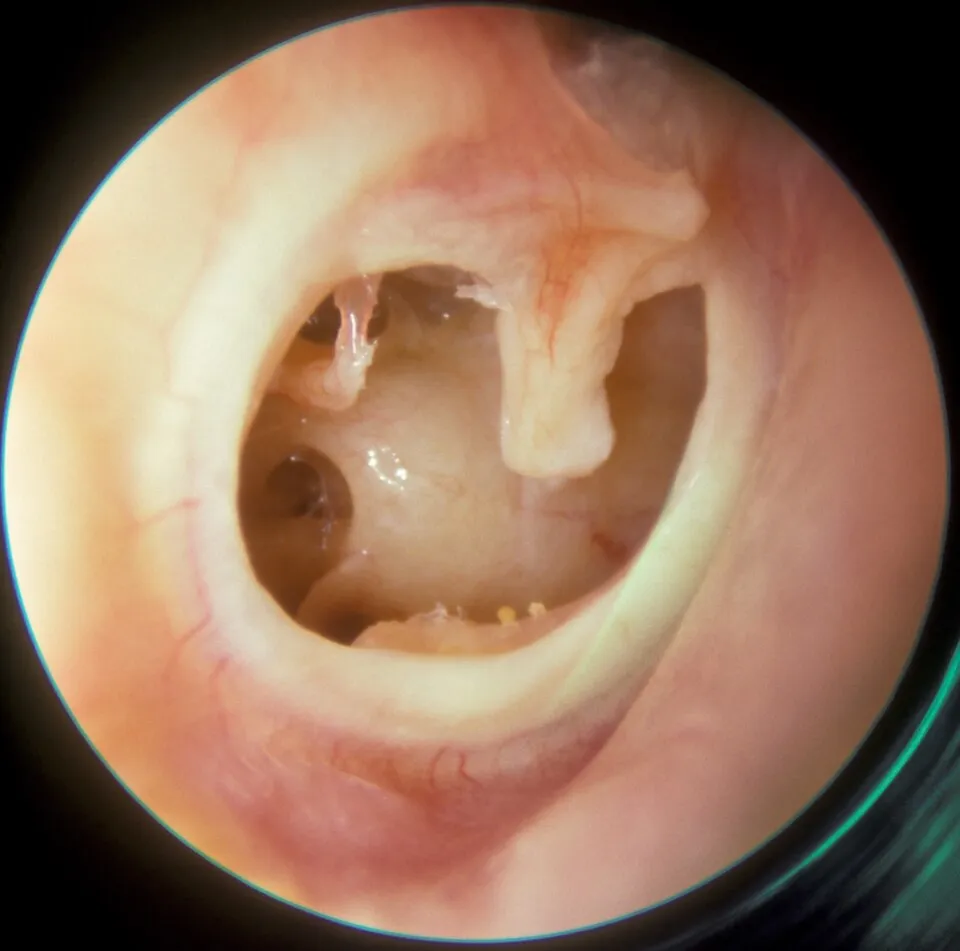
Topical ear preparations deliver drug straight into the external auditory canal, reaching far higher local concentrations than systemic therapy with negligible systemic exposure. The main groups are antibiotic drops with or without a corticosteroid (quinolones such as ciprofloxacin or ofloxacin; aminoglycoside or polymyxin combinations), acidifying and antiseptic agents (acetic acid, aluminium acetate, boric acid), antifungals (clotrimazole, clioquinol), corticosteroid-only drops, cerumenolytics (olive oil, sodium bicarbonate) and anaesthetic drops (phenazone with lidocaine). Topical therapy, not oral antibiotics, is first line for uncomplicated acute otitis externa, acute otorrhoea through grommets and chronic suppurative otitis media. Aminoglycoside and other potentially ototoxic drops should be avoided when the tympanic membrane is perforated or a grommet is present unless there is active infection and no safer option; a quinolone is preferred. Drops only work if they reach the canal: aural toilet and a wick for a swollen canal matter as much as the choice of drop.
Patient case, mechanism, investigations, management, flashcards and exam-style questions.Open the lesson →
Key facts
- Topical drops reach canal concentrations far above the MIC of Pseudomonas aeruginosa and Staphylococcus aureus with negligible systemic levels
- Uncomplicated acute otitis externa: topical drops plus analgesia; oral antibiotics only if infection spreads beyond the canal or the patient is high risk
- If the tympanic membrane is perforated or a grommet is present, use a non-ototoxic quinolone drop (ciprofloxacin, ofloxacin), not an aminoglycoside
- Aminoglycosides (gentamicin, neomycin, framycetin) can cross the round window membrane and damage outer hair cells and vestibular hair cells
- Teaching dose: ciprofloxacin 0.3% with dexamethasone 0.1%, 4 drops twice daily for 7 days (check local formulary)
- Aural toilet (dry mopping or microsuction) and a canal wick when the canal is swollen shut are needed for drops to work
- Prolonged antibiotic or steroid drops promote otomycosis (Aspergillus niger 'wet newspaper', Candida); treat with toilet and clotrimazole
- Cerumenolytics (olive oil, sodium bicarbonate 5%) soften wax for 3–5 days before irrigation or microsuction; none is clearly superior
Differential diagnosis
| Condition | Clues | Key test |
|---|---|---|
| Acute bacterial otitis externa | Painful tragus, oedematous canal, scanty discharge | Otoscopy; swab if recurrent or failing |
| Otomycosis | Itch, fluffy white or black debris after antibiotic drops | Otoscopy; fungal culture of debris |
| Contact dermatitis from drops (neomycin) | Worsening itch, eczematous canal and concha despite treatment | Stop drop; patch testing |
| Necrotising otitis externa | Older diabetic, severe night pain, granulation at bony–cartilaginous junction | CRP/ESR, CT or MRI temporal bone |
| Acute otitis media with perforation | Pain relieved when discharge appears, pulsatile mucopus | Otoscopy after toilet; TM perforation |
| Chronic suppurative otitis media | Painless discharge more than 2 weeks through a perforation | Otoscopy, swab, audiogram |
| Cholesteatoma | Painless foul discharge, attic retraction or keratin, not settling with drops | Otomicroscopy; CT temporal bone |
Exam pearls
Guideline
AAO-HNS acute otitis externa guideline (2014), AAO-HNS tympanostomy tubes guideline (2022 update), ENT-UK aminoglycoside ear drop consensus (2007), NICE NG91 otitis media (2018, updated 2022) and NICE CKS otitis externa
References
- Rosenfeld RM, Schwartz SR, Cannon CR, et al.. Clinical practice guideline: acute otitis externa. Otolaryngol Head Neck Surg 2014.
- Rosenfeld RM, Tunkel DE, Schwartz SR, et al.. Clinical Practice Guideline: Tympanostomy Tubes in Children (Update). Otolaryngol Head Neck Surg 2022.
- Phillips JS, Yung MW, Burton MJ, Swan IR. Evidence review and ENT-UK consensus report for the use of aminoglycoside-containing ear drops in the presence of an open middle ear. Clin Otolaryngol 2007.
- National Institute for Health and Care Excellence. Otitis media (acute): antimicrobial prescribing (NG91). NICE, London 2018.
- Kaushik V, Malik T, Saeed SR. Interventions for acute otitis externa. Cochrane Database Syst Rev 2010.
- van Dongen TM, van der Heijden GJ, Venekamp RP, Rovers MM, Schilder AG. A trial of treatment for acute otorrhea in children with tympanostomy tubes. N Engl J Med 2014.
Related topics
By Dr Khalid Seidi (B.Sc., M.D.) · MedEd World Clinical Knowledge library. Original teaching content checked against current guidelines (November 2026); confirm the latest local guidance before clinical use. Not a substitute for clinical judgement.