Clinical Knowledge › Neurology › Relevant pharmacology
Corticosteroids and osmotherapy for raised intracranial pressure
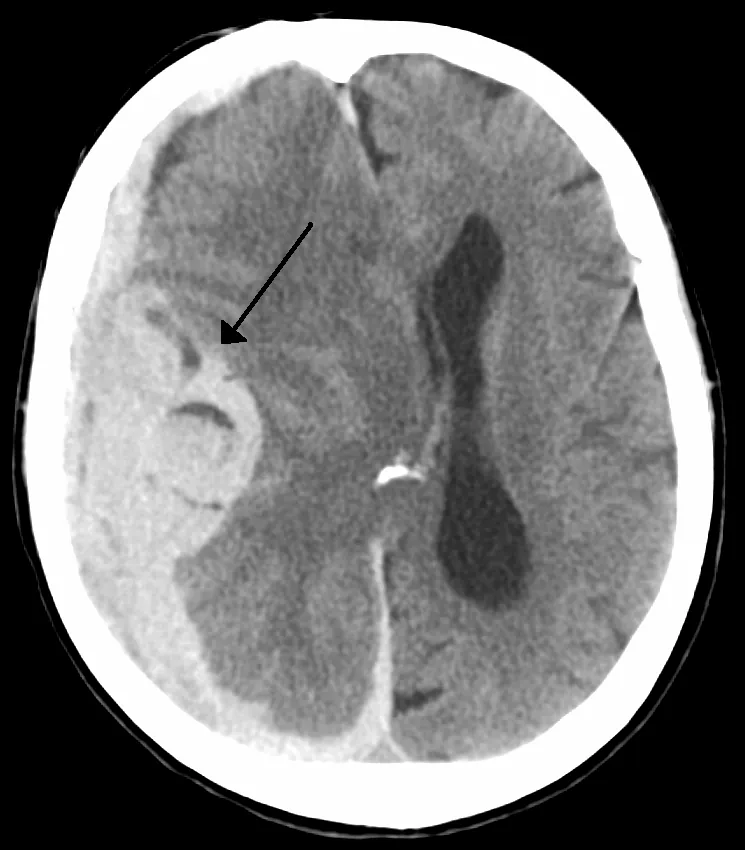
Corticosteroids and osmotic agents are the main drugs used to lower raised intracranial pressure (ICP), but they work in different situations. Dexamethasone reduces vasogenic oedema by restoring blood–brain barrier tight junctions and is effective around brain tumours and abscesses; it is also given with the first antibiotic dose in suspected bacterial meningitis. It does not help cytotoxic oedema and is harmful or useless in traumatic brain injury (CRASH trial), intracerebral haemorrhage and ischaemic stroke. Osmotherapy with mannitol or hypertonic saline creates an osmotic gradient that draws water out of the brain within minutes and is used for acute rises in ICP and impending herniation, whatever the cause. Mannitol is an osmotic diuretic that can cause hypovolaemia, hypotension and kidney injury. Hypertonic saline expands intravascular volume and is often preferred in hypotensive trauma patients. Both need monitoring of sodium, osmolality, fluid balance and kidney function. Drugs work alongside general measures: head elevation to 30°, normocapnia, sedation, normothermia, seizure control, CSF drainage and decompressive surgery. Steroid adverse effects include hyperglycaemia, infection, myopathy and psychiatric change.
Patient case, mechanism, investigations, management, flashcards and exam-style questions.Open the lesson →
Key facts
- Cerebral perfusion pressure = mean arterial pressure − ICP; Brain Trauma Foundation targets ICP below 22 mmHg and CPP 60–70 mmHg in TBI
- Dexamethasone treats vasogenic oedema (tumour, abscess): typically 4–8 mg/day, 16 mg/day if severe (teaching dose; check local protocol)
- Steroids are contraindicated in traumatic brain injury (CRASH: higher mortality) and not recommended for ICH or ischaemic stroke
- Bacterial meningitis: dexamethasone 10 mg IV every 6 hours for 4 days, started before or with the first antibiotic dose
- Mannitol 20%: 0.25–1 g/kg IV over 15–20 minutes; acts within 15–30 minutes; check osmolality (below about 320 mOsm/kg) and osmolar gap
- Hypertonic saline (e.g. 3% 150–250 mL, or 23.4% 30 mL centrally) raises serum sodium; target sodium usually 145–155 mmol/L
- Mannitol causes diuresis, hypovolaemia, hypotension and AKI; hypertonic saline causes hypernatraemia, hyperchloraemic acidosis and fluid overload
- Avoid hypotonic fluids (e.g. 5% glucose) in raised ICP; use isotonic fluids
Differential diagnosis
| Condition | Clues | Key test |
|---|---|---|
| Vasogenic oedema | Tumour or abscess with finger-like white matter oedema | MRI; responds to dexamethasone |
| Cytotoxic oedema | Infarct, hypoxic injury, early TBI; grey and white matter swelling, DWI restriction | MRI DWI; osmotherapy and surgery, not steroids |
| Interstitial (hydrocephalic) oedema | Periventricular lucency with ventricular dilatation | CT; CSF diversion |
| Hyponatraemia causing cerebral oedema | Confusion, seizures, low sodium | Serum sodium; hypertonic saline per hyponatraemia protocol |
| Hypercapnia | COPD or hypoventilation with drowsiness | Blood gas; ventilatory support |
| Idiopathic intracranial hypertension | Papilloedema with normal imaging and normal CSF | MRI/MRV and opening pressure; acetazolamide, not osmotherapy |
Exam pearls
Guideline
Brain Trauma Foundation guidelines for severe TBI (4th edition, 2016/2017), Neurocritical Care Society guideline on cerebral oedema (2020), NICE NG232 head injury (2023) and NICE NG240 meningitis (2024)
References
- Carney N, Totten AM, O'Reilly C, et al.. Guidelines for the management of severe traumatic brain injury, fourth edition. Neurosurgery 2017.
- Cook AM, Morgan Jones G, Hawryluk GWJ, et al.. Guidelines for the acute treatment of cerebral edema in neurocritical care patients. Neurocrit Care 2020.
- Roberts I, Yates D, Sandercock P, et al.. Effect of intravenous corticosteroids on death within 14 days in 10008 adults with clinically significant head injury (MRC CRASH trial): randomised placebo-controlled trial. Lancet 2004.
- Ryken TC, Kuo JS, Prabhu RS, et al.. Congress of Neurological Surgeons systematic review and evidence-based guidelines on the role of steroids in the treatment of adults with metastatic brain tumors. Neurosurgery 2019.
- de Gans J, van de Beek D. Dexamethasone in adults with bacterial meningitis. N Engl J Med 2002.
- Poungvarin N, Bhoopat W, Viriyavejakul A, et al.. Effects of dexamethasone in primary supratentorial intracerebral hemorrhage. N Engl J Med 1987.
Related topics
By Dr Khalid Seidi (B.Sc., M.D.) · MedEd World Clinical Knowledge library. Original teaching content checked against current guidelines (November 2026); confirm the latest local guidance before clinical use. Not a substitute for clinical judgement.