Clinical Knowledge › Neurology › Relevant pharmacology
Thrombolysis and antiplatelet therapy in stroke
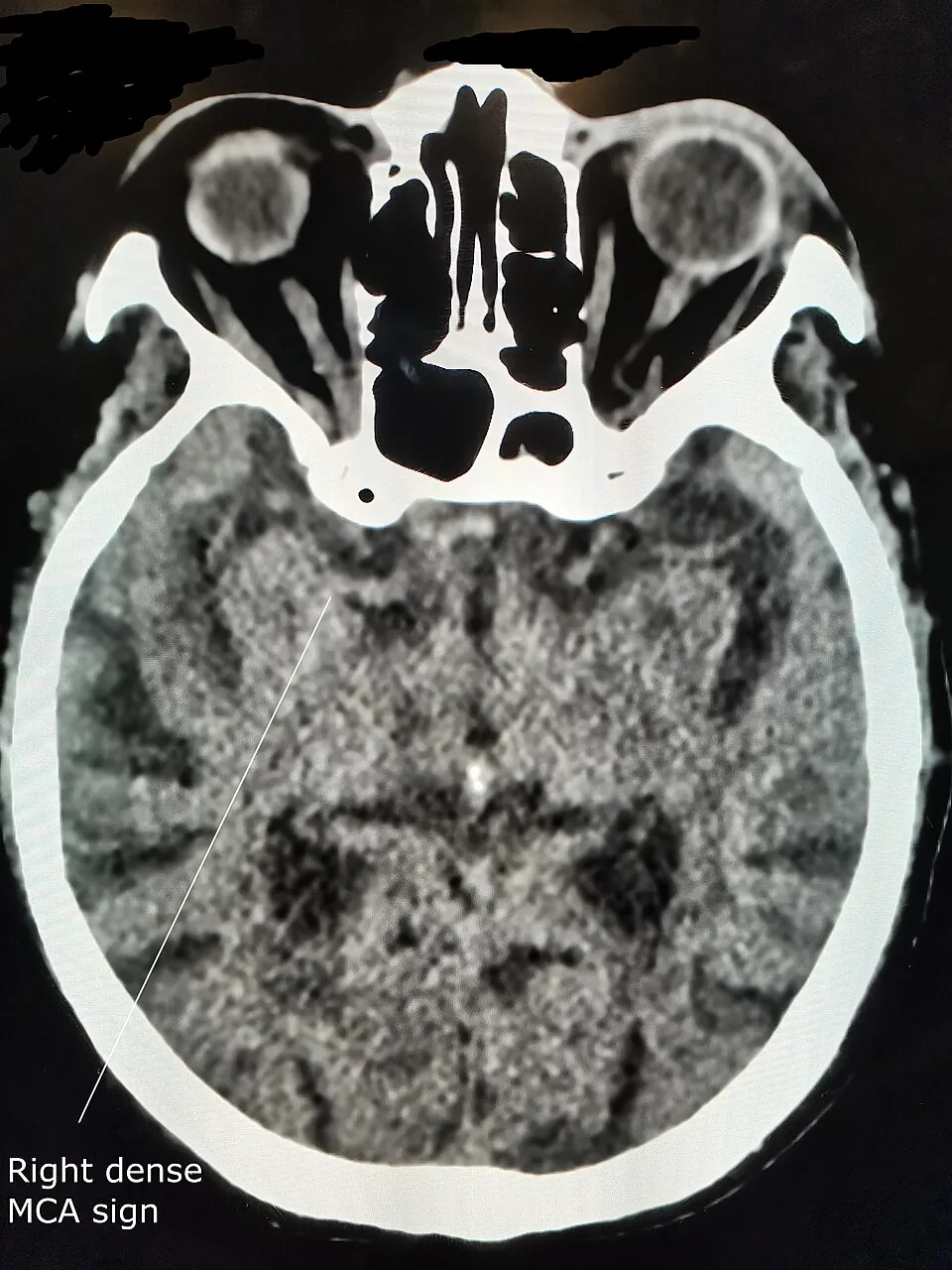
Intravenous thrombolysis and antiplatelet therapy are the core drug treatments of acute ischaemic stroke and transient ischaemic attack (TIA). Thrombolytics convert plasminogen to plasmin and dissolve fibrin in the occluding clot. Alteplase 0.9 mg/kg or tenecteplase 0.25 mg/kg, given within 4.5 hours of onset (or later with advanced imaging selection), increases the chance of independent recovery at the cost of about 2–6% symptomatic intracranial haemorrhage. Tenecteplase, given as a single bolus, is now an equal or preferred choice in AHA (2026), ESO (2023) and NICE (2024) guidance. Thrombolysis does not replace mechanical thrombectomy for large vessel occlusion. Antiplatelets prevent early recurrence: aspirin 300 mg is started within 24–48 hours (delayed 24 hours after thrombolysis). Short-term dual antiplatelet therapy (aspirin plus clopidogrel for 21 days, or ticagrelor in CYP2C19 loss-of-function carriers) reduces recurrence after minor stroke or high-risk TIA by about a third. Long-term single antiplatelet therapy (clopidogrel in the UK) follows non-cardioembolic stroke, while atrial fibrillation needs anticoagulation instead. Blood pressure control, bleeding risk and timing are key.
Patient case, mechanism, investigations, management, flashcards and exam-style questions.Open the lesson →
Key facts
- Thrombolysis window: within 4.5 hours of last known well; 4.5–9 hours or wake-up stroke if imaging shows salvageable tissue (perfusion mismatch or DWI–FLAIR mismatch)
- Alteplase 0.9 mg/kg (max 90 mg): 10% bolus over 1 minute, remainder over 60 minutes; tenecteplase 0.25 mg/kg single bolus (max 25 mg) (teaching doses; check local protocol)
- Blood pressure must be below 185/110 mmHg before thrombolysis and kept below 180/105 mmHg for 24 hours after
- Key contraindications: haemorrhage on CT, recent major surgery or bleeding, INR above 1.7, platelets below 100 × 10⁹/L, recent DOAC dose, glucose below 2.8 mmol/L (correct first)
- No antiplatelets or anticoagulants for 24 hours after thrombolysis; repeat brain imaging first
- Aspirin 300 mg within 24–48 hours of ischaemic stroke for 2 weeks (UK), then long-term clopidogrel 75 mg daily
- Minor stroke (NIHSS 3 or less, up to 5 in INSPIRES) or high-risk TIA: aspirin plus clopidogrel for 21 days started within 24 hours (up to 72 hours), then single antiplatelet
- Atrial fibrillation: anticoagulate (usually DOAC) rather than antiplatelet; early start (within about 48 hours for minor or moderate stroke) is safe (ELAN)
Differential diagnosis
| Condition | Clues | Key test |
|---|---|---|
| Intracerebral haemorrhage | Headache, vomiting, reduced consciousness; cannot be excluded clinically | Non-contrast CT |
| Hypoglycaemia | Focal deficit that resolves with glucose | Capillary glucose before thrombolysis |
| Post-ictal (Todd) paresis | Witnessed seizure, gradual recovery | History, EEG; thrombolysis possible if imaging confirms occlusion |
| Migraine with aura | Positive spreading symptoms, headache, recurrent history | Clinical; MRI DWI normal |
| Functional neurological disorder | Inconsistent signs, Hoover sign positive | Clinical, MRI normal |
| Aortic dissection | Chest or back pain, pulse or BP differential; thrombolysis catastrophic | CT angiography of aorta |
Exam pearls
Guideline
AHA/ASA 2026 Guideline for the Early Management of Acute Ischemic Stroke, ESO thrombolysis guidelines (2021, tenecteplase 2023), AHA/ASA secondary prevention (2021) and NICE NG128 (updated) with TA990 tenecteplase (2024)
References
- Prabhakaran S, Gonzalez NR, Zachrison KS, et al.. 2026 Guideline for the Early Management of Patients With Acute Ischemic Stroke: a guideline from the American Heart Association/American Stroke Association. Stroke 2026.
- Berge E, Whiteley W, Audebert H, et al.. European Stroke Organisation (ESO) guidelines on intravenous thrombolysis for acute ischaemic stroke. Eur Stroke J 2021.
- Alamowitch S, Turc G, Palaiodimou L, et al.. European Stroke Organisation (ESO) expedited recommendation on tenecteplase for acute ischaemic stroke. Eur Stroke J 2023.
- Kleindorfer DO, Towfighi A, Chaturvedi S, et al.. 2021 Guideline for the prevention of stroke in patients with stroke and transient ischemic attack. Stroke 2021.
- Emberson J, Lees KR, Lyden P, et al.. Effect of treatment delay, age, and stroke severity on the effects of intravenous thrombolysis with alteplase for acute ischaemic stroke: a meta-analysis of individual patient data from randomised trials. Lancet 2014.
- Menon BK, Buck BH, Singh N, et al.. Intravenous tenecteplase compared with alteplase for acute ischaemic stroke in Canada (AcT): a pragmatic, multicentre, open-label, registry-linked, randomised, controlled, non-inferiority trial. Lancet 2022.
Related topics
By Dr Khalid Seidi (B.Sc., M.D.) · MedEd World Clinical Knowledge library. Original teaching content checked against current guidelines (November 2026); confirm the latest local guidance before clinical use. Not a substitute for clinical judgement.