Clinical Knowledge › Neurology › Relevant pharmacology
Drugs for myasthenia gravis
Drugs for myasthenia gravis (MG) either improve neuromuscular transmission or suppress the autoimmune attack on the postsynaptic membrane. Pyridostigmine, an acetylcholinesterase inhibitor, is first-line symptomatic treatment; its muscarinic side effects include diarrhoea, cramps and hypersalivation. Most patients with generalised disease also need immunotherapy. Prednisolone is started low and increased slowly to avoid early steroid-induced worsening, then tapered with a steroid-sparing agent such as azathioprine or mycophenolate. Thymectomy benefits thymoma and non-thymomatous AChR antibody-positive generalised MG in younger adults. Intravenous immunoglobulin and plasma exchange act rapidly in myasthenic crisis, before surgery or during severe exacerbations. Newer biologics are complement C5 inhibitors (eculizumab, ravulizumab, zilucoplan) for AChR-positive disease, which require meningococcal vaccination, and neonatal Fc receptor (FcRn) blockers (efgartigimod, rozanolixizumab, nipocalimab), which lower IgG levels. Rituximab is effective in MuSK-positive MG. Many common drugs worsen MG, including aminoglycosides, fluoroquinolones, macrolides, magnesium, beta-blockers and immune checkpoint inhibitors. Recognising and managing crisis with respiratory monitoring is essential.
Patient case, mechanism, investigations, management, flashcards and exam-style questions.Open the lesson →
Key facts
- Pyridostigmine 30–60 mg four to six times daily (teaching dose; check local formulary) improves symptoms but does not modify disease
- Muscarinic side effects of pyridostigmine (diarrhoea, abdominal cramps, sweating, salivation, bradycardia) can be reduced with glycopyrronium or propantheline
- Start prednisolone low (e.g. 5–10 mg on alternate days) and increase gradually: high starting doses can cause transient worsening, even crisis
- Steroid-sparing agents: azathioprine (check TPMT; takes 6–12 months), mycophenolate, methotrexate, tacrolimus
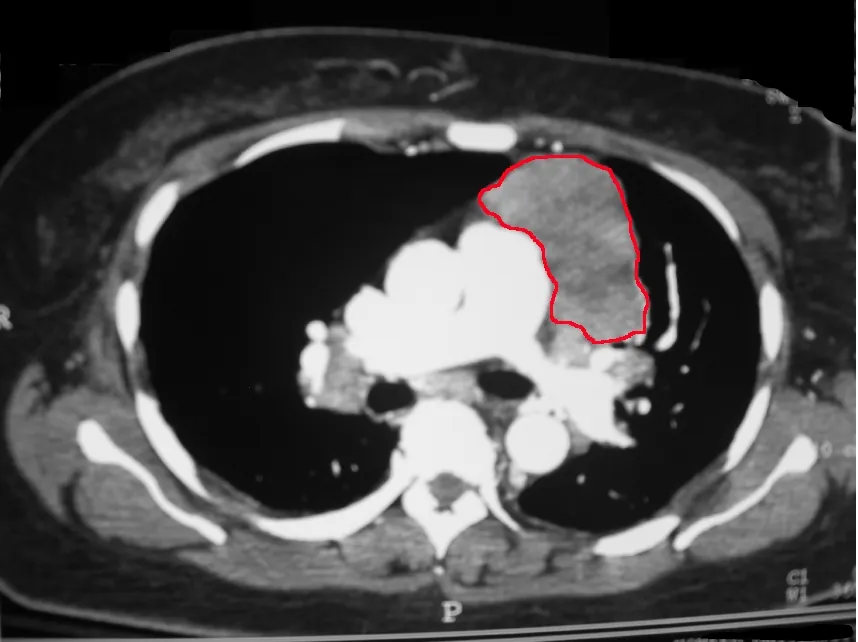
- Thymectomy: all thymomas; non-thymomatous AChR-positive generalised MG aged about 18–65 (MGTX trial)
- IVIG 2 g/kg over 2–5 days or plasma exchange (about 5 exchanges) for crisis, severe exacerbation or before surgery
- Complement inhibitors (AChR-positive only) need meningococcal vaccination; FcRn blockers lower all IgG including pathogenic antibodies
- Avoid or use with care: aminoglycosides, fluoroquinolones, macrolides, IV magnesium, beta-blockers, quinine, hydroxychloroquine, neuromuscular blockers, immune checkpoint inhibitors
Differential diagnosis
| Condition | Clues | Key test |
|---|---|---|
| Lambert–Eaton myasthenic syndrome | Proximal leg weakness, areflexia improving after exercise, autonomic symptoms, SCLC | P/Q VGCC antibodies, increment on high-rate stimulation |
| Cholinergic crisis | Weakness with miosis, salivation, diarrhoea, fasciculations after excess pyridostigmine | Clinical; review dose |
| Botulism | Descending paralysis, dilated pupils, autonomic signs, food or wound source | Toxin assay, neurophysiology |
| Guillain–Barré syndrome (Miller Fisher variant) | Ophthalmoplegia, ataxia, areflexia | Anti-GQ1b antibodies, CSF protein |
| Mitochondrial CPEO | Fixed symmetrical ptosis and ophthalmoplegia without diplopia or fatigability | Genetic testing, muscle biopsy |
| Motor neurone disease (bulbar onset) | Dysarthria and dysphagia with fasciculations and UMN signs | EMG |
Exam pearls
Guideline
International consensus guidance for management of myasthenia gravis: 2020 update (published 2021), with regulatory approvals of complement and FcRn-targeted therapies (2017–2026)
References
- Narayanaswami P, Sanders DB, Wolfe G, et al.. International consensus guidance for management of myasthenia gravis: 2020 update. Neurology 2021.
- Sanders DB, Wolfe GI, Benatar M, et al.. International consensus guidance for management of myasthenia gravis: executive summary. Neurology 2016.
- Wolfe GI, Kaminski HJ, Aban IB, et al.. Randomized trial of thymectomy in myasthenia gravis. N Engl J Med 2016.
- Howard JF Jr, Bril V, Vu T, et al.. Safety, efficacy, and tolerability of efgartigimod in patients with generalised myasthenia gravis (ADAPT): a multicentre, randomised, placebo-controlled, phase 3 trial. Lancet Neurol 2021.
- Bril V, Drużdż A, Grosskreutz J, et al.. Safety and efficacy of rozanolixizumab in patients with generalised myasthenia gravis (MycarinG): a randomised, double-blind, placebo-controlled, adaptive phase 3 study. Lancet Neurol 2023.
- Howard JF Jr, Bresch S, Genge A, et al.. Safety and efficacy of zilucoplan in patients with generalised myasthenia gravis (RAISE): a randomised, double-blind, placebo-controlled, phase 3 study. Lancet Neurol 2023.
Related topics
By Dr Khalid Seidi (B.Sc., M.D.) · MedEd World Clinical Knowledge library. Original teaching content checked against current guidelines (November 2026); confirm the latest local guidance before clinical use. Not a substitute for clinical judgement.