Clinical Knowledge › Obstetrics and gynaecology › Medical disorders in pregnancy
Eclampsia
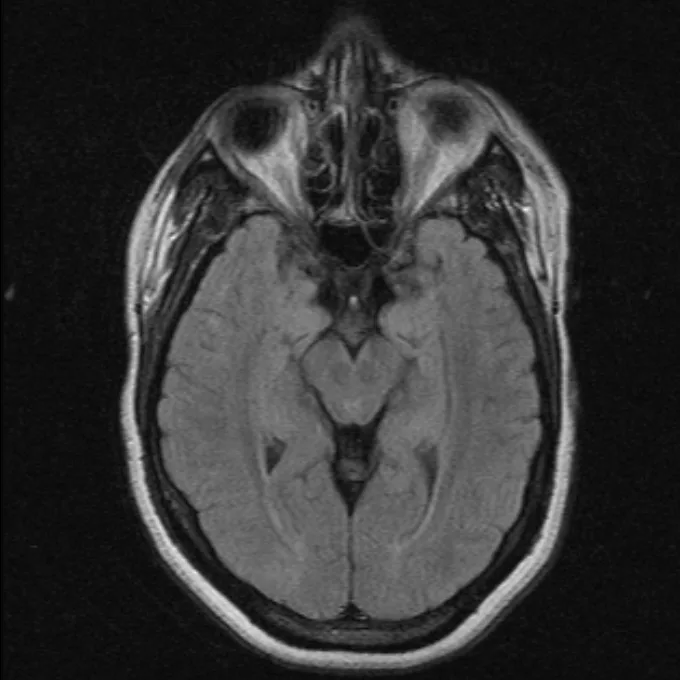
Eclampsia is the occurrence of new generalised tonic–clonic seizures in a woman with pre-eclampsia, or in pregnancy or the puerperium when no other cause is found. It complicates roughly 2–3 per 10 000 births in high-income countries but is up to ten times more common where antenatal care is limited, and it remains a leading cause of maternal death worldwide. Seizures can occur antepartum, intrapartum or postpartum (most postpartum fits within 48 hours), and in up to a third of women hypertension or proteinuria had not been documented beforehand. Failure of cerebral autoregulation with endothelial dysfunction causes vasogenic oedema in the posterior circulation (posterior reversible encephalopathy syndrome). Warning symptoms are severe headache, visual disturbance, epigastric pain and clonus. Management is stepwise: call for help, protect the airway in the left lateral position, give magnesium sulfate (4 g IV loading dose then 1 g/hour for 24 hours), control severe hypertension (160/110 mmHg or more) with labetalol, nifedipine or hydralazine, and plan birth once the mother is stable. Magnesium sulfate is superior to diazepam and phenytoin and halves the risk of eclampsia when given in severe pre-eclampsia.
Patient case, mechanism, investigations, management, flashcards and exam-style questions.Open the lesson →
Key facts
- Eclampsia = new generalised seizure in pre-eclampsia (or unexplained in pregnancy/puerperium); usually after 20 weeks, may occur up to several weeks postpartum
- Timing: roughly 40–50% antepartum, 15–20% intrapartum, 30–40% postpartum (most within 48 hours of birth)
- Up to a third of women have no documented hypertension or proteinuria before the first fit; headache is the commonest prodrome
- First-line anticonvulsant: magnesium sulfate, Zuspan regimen 4 g IV over 5–15 min, then 1 g/hour for 24 hours after the last fit or birth, whichever is later (teaching dose; check local protocol)
- Recurrent seizure on magnesium: further 2–4 g IV over 5–15 min; magnesium is better than diazepam (52% fewer recurrences) and phenytoin (67% fewer)
- Treat BP 160/110 mmHg or more urgently (within 30–60 min): IV labetalol, oral nifedipine or IV hydralazine; target about 135/85 mmHg
- Magnesium toxicity: loss of patellar reflexes first, then respiratory depression; antidote calcium gluconate 10 mL of 10% IV over 10 minutes
- Birth is the definitive treatment, but only after the mother is stabilised; fetal bradycardia during a fit usually recovers within 3–5 minutes
Differential diagnosis
| Condition | Clues | Key test |
|---|---|---|
| Epilepsy | Known seizure disorder, normal BP, no proteinuria; may coexist with pre-eclampsia | History, BP, urine PCR, antiseizure drug levels |
| Cerebral venous sinus thrombosis | Progressive headache, focal signs, often postpartum, papilloedema | MR or CT venography |
| Intracranial haemorrhage or ischaemic stroke | Sudden severe headache, focal deficit, persisting coma | Urgent CT/MRI brain |
| Reversible cerebral vasoconstriction syndrome | Recurrent thunderclap headaches, often postpartum | CT/MR angiography showing segmental vasoconstriction |
| Thrombotic thrombocytopenic purpura | Severe thrombocytopenia, haemolysis, neurological signs, BP often modest | Blood film, ADAMTS13 activity |
| Hypoglycaemia or hyponatraemia | Insulin use, oxytocin infusion with large hypotonic volumes | Capillary glucose, serum sodium |
| Amniotic fluid embolism | Sudden collapse, hypoxia, hypotension and coagulopathy around birth | Clinical diagnosis; coagulation screen |
| Cerebral malaria or meningitis | Fever, travel or endemic area, neck stiffness | Malaria test, blood cultures, lumbar puncture after imaging |
Exam pearls
Guideline
NICE NG133 Hypertension in pregnancy (2019, updated 2023); ISSHP 2021 classification, diagnosis and management recommendations; ACOG Practice Bulletin 222 (2020); WHO recommendations for prevention and treatment of pre-eclampsia and eclampsia (2011)
References
- National Institute for Health and Care Excellence. Hypertension in pregnancy: diagnosis and management (NG133). NICE guideline NG133 2019.
- Magee LA, Brown MA, Hall DR, et al.. The 2021 International Society for the Study of Hypertension in Pregnancy classification, diagnosis & management recommendations for international practice. Pregnancy Hypertens 2022.
- American College of Obstetricians and Gynecologists. Gestational hypertension and preeclampsia: ACOG Practice Bulletin, Number 222. Obstet Gynecol 2020.
- World Health Organization. WHO recommendations for prevention and treatment of pre-eclampsia and eclampsia. World Health Organization, Geneva 2011.
- The Eclampsia Trial Collaborative Group. Which anticonvulsant for women with eclampsia? Evidence from the Collaborative Eclampsia Trial. Lancet 1995.
- Magpie Trial Collaborative Group. Do women with pre-eclampsia, and their babies, benefit from magnesium sulphate? The Magpie Trial: a randomised placebo-controlled trial. Lancet 2002.
Related topics
By Dr Khalid Seidi (B.Sc., M.D.) · MedEd World Clinical Knowledge library. Original teaching content checked against current guidelines (November 2026); confirm the latest local guidance before clinical use. Not a substitute for clinical judgement.