Clinical Knowledge › Internal medicine › Endocrinology › Lipid disorders and obesity
Familial hypercholesterolaemia
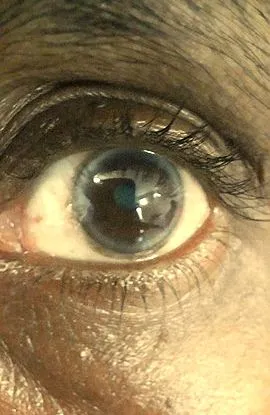
Familial hypercholesterolaemia (FH) is a common inherited disorder of LDL clearance, usually autosomal dominant and caused by pathogenic variants in LDLR, less often APOB or PCSK9. Heterozygous FH affects about 1 in 250–300 people; from birth, LDL cholesterol is roughly twice normal (often above 4.9 mmol/L, 190 mg/dL, in adults), so untreated men often have coronary disease by their 40s or 50s and women a decade later. Clues are very high LDL with a family history of early coronary disease, tendon xanthomas, and corneal arcus or xanthelasma at a young age. Diagnosis uses the Simon Broome or Dutch Lipid Clinic Network criteria and genetic testing, followed by cascade testing of relatives. Treatment begins with a high-intensity statin and lifestyle change, adding ezetimibe and then PCSK9-targeted therapy to reach at least a 50% LDL reduction and guideline goals; children start statins by about 8–10 years. Rare homozygous FH causes LDL above 10 mmol/L and childhood atherosclerosis and needs specialist treatment such as evinacumab, lomitapide or lipoprotein apheresis.
Patient case, mechanism, investigations, management, flashcards and exam-style questions.Open the lesson →
Key facts
- Heterozygous FH: about 1 in 250–300 people; homozygous FH: roughly 1 in 300 000 (more common in founder populations)
- Cause: LDL receptor (LDLR) variants in most, APOB or gain-of-function PCSK9 in a minority; autosomal dominant with 50% risk to each child
- Suspect FH in adults with LDL above 4.9 mmol/L (190 mg/dL) or total cholesterol above 7.5 mmol/L, especially with premature coronary disease in the family
- Tendon xanthomas are highly specific; corneal arcus before 45 and xanthelasma are supportive
- Diagnose with Simon Broome or Dutch Lipid Clinic Network criteria; confirm with genetic testing and offer cascade testing to first-degree relatives
- Treat adults with a high-intensity statin aiming for at least 50% LDL reduction and LDL below 1.8 mmol/L (or below 1.4 mmol/L with ASCVD or another major risk factor)
- Add ezetimibe, then a PCSK9 inhibitor (evolocumab, alirocumab) or inclisiran; bempedoic acid if statins are not tolerated
- Children with heterozygous FH: start statins from about 8–10 years; homozygous FH needs specialist care from diagnosis
Differential diagnosis
| Condition | Clues | Key test |
|---|---|---|
| Polygenic hypercholesterolaemia | Moderately high LDL, no xanthomas, weaker family pattern | No monogenic variant; high polygenic LDL score |
| Hypothyroidism | Fatigue, weight gain, cold intolerance, high LDL | Raised TSH; LDL falls with levothyroxine |
| Nephrotic syndrome | Oedema, heavy proteinuria, low albumin | Urine protein:creatinine ratio, albumin |
| Cholestatic liver disease | Itch, jaundice, high ALP; lipoprotein X | Liver tests and imaging |
| Familial combined hyperlipidaemia | Raised LDL and triglycerides varying over time in relatives; obesity, insulin resistance | ApoB raised; no tendon xanthomas |
| Familial dysbetalipoproteinaemia | Palmar and tuberoeruptive xanthomas, raised cholesterol and triglycerides equally | APOE2/E2 genotype |
| Sitosterolaemia | Xanthomas in childhood with only modestly high LDL, haemolysis | Plasma plant sterols; ABCG5/ABCG8 |
| Drug-induced | Recent glucocorticoids, isotretinoin, ciclosporin, anabolic steroids, thiazides | Drug history; recheck after stopping |
Exam pearls
Guideline
2019 ESC/EAS dyslipidaemia guidelines with the 2025 focused update, 2026 ACC/AHA multisociety dyslipidemia guideline, NICE CG71 Familial hypercholesterolaemia (2008, updated 2019; update in progress after 2024 surveillance) and EAS 2023 consensus on homozygous FH
References
- Mach F, Baigent C, Catapano AL, et al.. 2019 ESC/EAS Guidelines for the management of dyslipidaemias: lipid modification to reduce cardiovascular risk. Eur Heart J 2020.
- Mach F, Koskinas KC, Roeters van Lennep JE, et al.. 2025 Focused Update of the 2019 ESC/EAS Guidelines for the management of dyslipidaemias. Eur Heart J 2025.
- Blumenthal RS, Morris PB, Gaudino M, et al.. 2026 ACC/AHA/AACVPR/ABC/ACPM/ADA/AGS/APhA/ASPC/NLA/PCNA Guideline on the Management of Dyslipidemia. J Am Coll Cardiol 2026.
- National Institute for Health and Care Excellence (NICE). Familial hypercholesterolaemia: identification and management (CG71). NICE, London 2008.
- Nordestgaard BG, Chapman MJ, Humphries SE, et al.. Familial hypercholesterolaemia is underdiagnosed and undertreated in the general population: guidance for clinicians to prevent coronary heart disease. Consensus Statement of the European Atherosclerosis Society. Eur Heart J 2013.
- Wiegman A, Gidding SS, Watts GF, et al.. Familial hypercholesterolaemia in children and adolescents: gaining decades of life by optimizing detection and treatment. Eur Heart J 2015.
Related topics
By Dr Khalid Seidi (B.Sc., M.D.) · MedEd World Clinical Knowledge library. Original teaching content checked against current guidelines (November 2026); confirm the latest local guidance before clinical use. Not a substitute for clinical judgement.