Clinical Knowledge › Internal medicine › Endocrinology › Lipid disorders and obesity
Secondary dyslipidaemia
Secondary dyslipidaemia is an abnormal lipid profile caused by another disease, a drug or a lifestyle factor rather than by a primary genetic lipid disorder. It is common: a secondary factor contributes in a large share of people seen with abnormal lipids, and it often unmasks or worsens a mild inherited tendency. The commonest causes are insulin resistance (obesity, type 2 diabetes, metabolic dysfunction-associated steatotic liver disease), alcohol, hypothyroidism, chronic kidney disease and nephrotic syndrome, cholestatic liver disease, pregnancy and many drugs, including glucocorticoids, oral oestrogens, retinoids, antipsychotics, immunosuppressants and antiretroviral therapy. Each cause has a typical pattern: hypothyroidism and nephrotic syndrome mainly raise LDL cholesterol, insulin resistance and alcohol raise triglycerides with low HDL, and cholestasis raises cholesterol through lipoprotein X. Every patient with a new lipid abnormality should have a simple screen (TSH, glucose or HbA1c, creatinine, urine protein, liver tests, drug and alcohol history) before lipid-lowering drugs are started. Treating the cause can normalise the lipids, as with levothyroxine in hypothyroidism; when it cannot, cardiovascular risk is managed with statins while watching for drug interactions.
Patient case, mechanism, investigations, management, flashcards and exam-style questions.Open the lesson →
Key facts
- Exclude secondary causes before diagnosing a primary dyslipidaemia or starting lipid-lowering therapy
- Minimum screen: TSH, glucose or HbA1c, creatinine/eGFR, urine albumin or protein, liver tests (ALP, bilirubin, GGT), alcohol and drug history
- Hypothyroidism raises LDL by reducing hepatic LDL receptor expression; treat the thyroid first and recheck lipids after 6–8 weeks of euthyroidism
- Nephrotic syndrome raises LDL, Lp(a) and triglycerides because low oncotic pressure stimulates hepatic apoB synthesis and LPL activity falls
- Insulin resistance gives 'atherogenic dyslipidaemia': high triglycerides, low HDL, small dense LDL and raised apoB
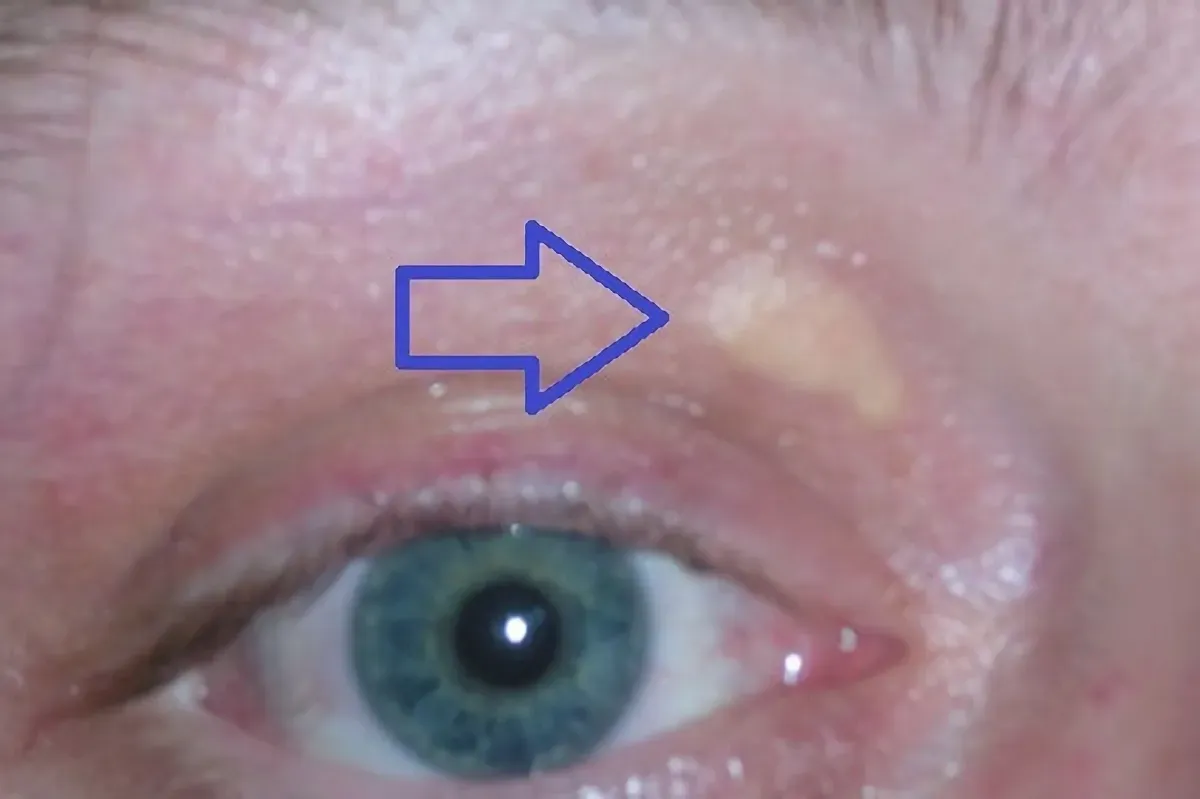
- Cholestasis raises total cholesterol through lipoprotein X, which is not thought to be strongly atherogenic; xanthelasma and planar xanthomas may appear
- Drug causes include glucocorticoids, oral oestrogen, retinoids, thiazides, beta blockers, atypical antipsychotics, ciclosporin, sirolimus, protease inhibitors and anabolic steroids
- People with HIV aged 40 or more benefit from a statin (REPRIEVE: pitavastatin cut major cardiovascular events by about a third); avoid simvastatin with boosted protease inhibitors
Differential diagnosis
| Condition | Clues | Key test |
|---|---|---|
| Heterozygous familial hypercholesterolaemia | LDL above about 5 mmol/L from youth, tendon xanthomas, early CHD in relatives | Dutch Lipid Clinic score; genetic testing |
| Familial combined hyperlipidaemia | Variable LDL and triglyceride rise in relatives, high apoB | Family lipid profiles; apoB |
| Familial dysbetalipoproteinaemia | Cholesterol and triglycerides both raised; palmar xanthomas; worsened by hypothyroidism or diabetes | ApoB ratios; APOE genotype |
| Polygenic hypercholesterolaemia | Moderately raised LDL without a secondary cause or xanthomas | Exclusion; polygenic score where available |
| Familial chylomicronaemia syndrome | Triglycerides persistently above 10 mmol/L from childhood, recurrent pancreatitis | Genetic panel (LPL and related genes) |
| Lipodystrophy | Loss of limb or facial fat, severe insulin resistance, very high triglycerides | Clinical assessment; leptin; genetic testing |
Exam pearls
Guideline
2019 ESC/EAS dyslipidaemia guidelines with the 2025 focused update, 2026 ACC/AHA multisociety dyslipidaemia guideline, and KDIGO 2013 lipid management in CKD guideline
References
- Mach F, Baigent C, Catapano AL, et al.. 2019 ESC/EAS Guidelines for the management of dyslipidaemias: lipid modification to reduce cardiovascular risk. Eur Heart J 2020.
- Mach F, Koskinas KC, Roeters van Lennep JE, et al.. 2025 Focused Update of the 2019 ESC/EAS Guidelines for the management of dyslipidaemias. Eur Heart J 2025.
- Blumenthal RS, Morris PB, Gaudino M, et al.. 2026 ACC/AHA/AACVPR/ABC/ACPM/ADA/AGS/APhA/ASPC/NLA/PCNA Guideline on the Management of Dyslipidemia. J Am Coll Cardiol 2026.
- Kidney Disease: Improving Global Outcomes (KDIGO) Lipid Work Group. KDIGO Clinical Practice Guideline for Lipid Management in Chronic Kidney Disease. Kidney Int Suppl 2013.
- Grinspoon SK, Fitch KV, Zanni MV, et al.. Pitavastatin to Prevent Cardiovascular Disease in HIV Infection. N Engl J Med 2023.
- Baigent C, Landray MJ, Reith C, et al.. The effects of lowering LDL cholesterol with simvastatin plus ezetimibe in patients with chronic kidney disease (Study of Heart and Renal Protection): a randomised placebo-controlled trial. Lancet 2011.
Related topics
By Dr Khalid Seidi (B.Sc., M.D.) · MedEd World Clinical Knowledge library. Original teaching content checked against current guidelines (November 2026); confirm the latest local guidance before clinical use. Not a substitute for clinical judgement.