Clinical Knowledge › Internal medicine › Infectious diseases › Clinical problems
Fever in the returning traveller: approach to the patient
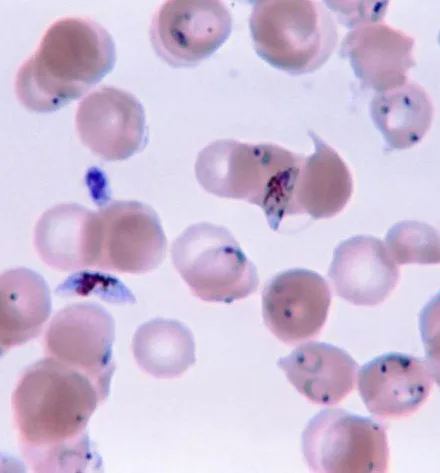
Fever in a person who has returned from the tropics or subtropics is malaria until proven otherwise. Falciparum malaria can kill within 24–48 hours of symptom onset, so every febrile traveller from a malaria-endemic area needs same-day thick and thin blood films or a rapid diagnostic test, repeated over 48–72 hours if negative. The approach rests on three questions: where exactly was the person (region, urban or rural), when did they travel (incubation period from exposure to symptoms) and what did they do (bites, freshwater, animals, sex, food, healthcare). Short incubation (under 10–14 days) suggests dengue, chikungunya, rickettsial infection or leptospirosis; 1–3 weeks adds malaria and enteric fever; over 3 weeks suggests malaria (including vivax relapse), tuberculosis, viral hepatitis, amoebic liver abscess, schistosomiasis or acute HIV. Viral haemorrhagic fever must be risk-assessed early for infection control. Common cosmopolitan infections such as pneumonia, urinary infection and influenza remain frequent.
Patient case, mechanism, investigations, management, flashcards and exam-style questions.Open the lesson →
Key facts
- Any fever within about a year (most within 3 months) of visiting a malaria-endemic area is malaria until 3 negative films or tests over 48–72 hours exclude it
- Plasmodium falciparum malaria from sub-Saharan Africa is the leading cause of life-threatening fever in returning travellers
- Dengue is the commonest cause of fever after travel to South-East Asia and Latin America; thrombocytopenia and leucopenia are typical
- Incubation periods: under 14 days (dengue, chikungunya, Zika, rickettsiae, leptospirosis); 7–21 days (malaria, enteric fever, VHF); over 21 days (vivax or ovale malaria, TB, hepatitis, amoebic liver abscess, schistosomiasis, visceral leishmaniasis)
- Viral haemorrhagic fever is very unlikely if symptoms began more than 21 days after leaving an endemic area; risk-assess everyone with fever who visited a VHF area within 21 days
- Severe falciparum malaria (impaired consciousness, acidosis, hypoglycaemia, shock, AKI, parasitaemia above 2% in UK guidance or 10% in WHO criteria) needs IV artesunate and critical care input
- Eosinophilia after travel suggests helminths (schistosomiasis, strongyloidiasis); an eschar suggests rickettsial infection treated with doxycycline
- Enteric fever from South Asia is increasingly fluoroquinolone-resistant; extensively drug-resistant (XDR) typhoid from Pakistan needs a carbapenem or azithromycin
Differential diagnosis
| Condition | Clues | Key test |
|---|---|---|
| Falciparum malaria | Sub-Saharan Africa, 7 days to 3 months after exposure, thrombocytopenia, no localising signs | Thick and thin films or RDT, repeated over 48–72 hours |
| Dengue | South-East Asia or Latin America, incubation 4–10 days, retro-orbital headache, myalgia, rash, low platelets | NS1 antigen or RT-PCR in first week; IgM later |
| Enteric fever | South Asia, stepwise fever, headache, constipation or diarrhoea, relative bradycardia | Blood cultures (bone marrow culture most sensitive) |
| Rickettsial infection (African tick bite fever, scrub typhus) | Game park or rural travel, eschar, rash, lymphadenopathy | Clinical; PCR of eschar or serology; treat with doxycycline |
| Leptospirosis | Freshwater exposure (rafting, flooding), conjunctival suffusion, myalgia, AKI, jaundice | PCR blood or urine early; serology later |
| Acute schistosomiasis (Katayama syndrome) | Freshwater lakes in Africa 2–8 weeks earlier, urticaria, cough, eosinophilia | Eosinophil count; serology (may take weeks to turn positive) |
| Acute HIV infection | New sexual partner abroad, rash, pharyngitis, lymphadenopathy 2–4 weeks after exposure | Fourth-generation HIV antigen/antibody test plus HIV RNA |
| Amoebic liver abscess | Weeks to months after travel, right upper quadrant pain, raised right hemidiaphragm | Ultrasound liver plus Entamoeba serology |
Exam pearls
Guideline
UK HPA/BIS returning traveller fever recommendations (Johnston et al., 2009); UK malaria treatment guidelines (2016) and UKHSA malaria prevention guidelines (updated December 2024); WHO Guidelines for malaria (living guideline, current version); CDC Yellow Book 2026; UK ACDP viral haemorrhagic fever risk assessment algorithm
References
- Johnston V, Stockley JM, Dockrell D, et al.. Fever in returned travellers presenting in the United Kingdom: recommendations for investigation and initial management. J Infect 2009.
- Lalloo DG, Shingadia D, Bell DJ, et al.. UK malaria treatment guidelines 2016. J Infect 2016.
- World Health Organization. WHO guidelines for malaria. World Health Organization (living guideline) 2024.
- UK Health Security Agency. Malaria prevention guidelines for travellers from the UK. UK Malaria Expert Advisory Group, UKHSA 2024.
- Centers for Disease Control and Prevention. CDC Yellow Book 2026: Health Information for International Travel. Oxford University Press 2025.
- Thwaites GE, Day NPJ.. Approach to fever in the returning traveler. N Engl J Med 2017.
Related topics
By Dr Khalid Seidi (B.Sc., M.D.) · MedEd World Clinical Knowledge library. Original teaching content checked against current guidelines (November 2026); confirm the latest local guidance before clinical use. Not a substitute for clinical judgement.