Clinical Knowledge › Ear, nose and throat › Basics of ear, nose and throat
Imaging in ENT
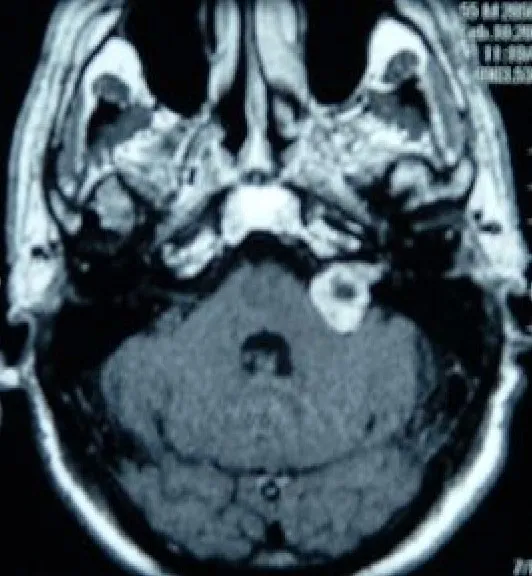
Imaging in ENT follows a simple rule: CT for bone, MRI for soft tissue and nerves, ultrasound for the neck, and PET-CT for cancer staging and response. High-resolution CT of the temporal bone shows cholesteatoma erosion, fractures, otosclerotic foci and congenital anomalies, while MRI of the internal auditory meatus detects vestibular schwannoma in asymmetric sensorineural hearing loss. Non-echo-planar diffusion-weighted MRI finds residual or recurrent cholesteatoma. CT of the sinuses is not needed for uncomplicated rhinosinusitis; it is used to plan endoscopic sinus surgery and, with contrast, when orbital or intracranial complications are suspected. Ultrasound with fine-needle aspiration is the first test for most adult neck lumps, thyroid nodules and salivary swellings, and is preferred in children. Contrast CT diagnoses deep neck space abscesses. MRI best defines nasopharyngeal, oral and sinonasal tumours and perineural spread; PET-CT finds unknown primaries and, 12 weeks after chemoradiotherapy, safely replaces planned neck dissection.
Patient case, mechanism, investigations, management, flashcards and exam-style questions.Open the lesson →
Key facts
- CT for bone (temporal bone, sinuses, skull base, fractures); MRI for soft tissue, nerves and intracranial spread
- Asymmetric SNHL or unilateral tinnitus: MRI internal auditory meatus (T2 high-resolution or gadolinium T1)
- Recurrent or residual cholesteatoma: non-echo-planar diffusion-weighted MRI (restricted diffusion), pooled sensitivity and specificity above 90%
- No CT for uncomplicated acute or chronic rhinosinusitis; non-contrast CT sinuses to plan FESS; contrast CT for orbital or intracranial complications
- Adult neck lump: ultrasound with FNA or core biopsy first; children: ultrasound to avoid radiation
- Deep neck space infection: contrast-enhanced CT neck (rim-enhancing collection)
- Necrotising otitis externa: CT shows bone erosion; MRI shows soft tissue and marrow spread
- PET-CT 12 weeks after chemoradiotherapy guides neck dissection (PET-NECK trial)
Differential diagnosis
| Condition | Clues | Key test |
|---|---|---|
| Plain X-ray | Quick, cheap; limited soft-tissue detail | Lateral neck for radio-opaque foreign bodies, prevertebral swelling; OPG for teeth |
| Ultrasound | No radiation, real-time, guides FNA; operator-dependent, cannot see deep or behind bone | Neck lumps, thyroid, salivary glands, children |
| CT | Excellent bone detail, fast, widely available; radiation and iodinated contrast | Temporal bone, sinuses, trauma, abscess, staging |
| MRI | Best soft tissue and nerve detail, no ionising radiation; slow, contraindicated with some implants | IAM, nasopharynx, oral cavity, skull base, perineural spread, cholesteatoma DWI |
| PET-CT | Metabolic activity; false positives with infection and post-treatment inflammation | Unknown primary, advanced staging, response assessment |
| Contrast swallow and videofluoroscopy | Dynamic swallowing; radiation | Pharyngeal pouch, aspiration |
Exam pearls
Guideline
ACR Appropriateness Criteria (Hearing loss and/or vertigo 2018; Sinonasal disease 2021 update; Neck mass–adenopathy 2019), EPOS 2020, AAO-HNSF Adult Sinusitis update (2025), NICE NG98 (2018) and NICE NG36 (2016, updated 2018)
References
- Expert Panel on Neurologic Imaging: Sharma A, Kirsch CFE, Aulino JM, et al.. ACR Appropriateness Criteria Hearing Loss and/or Vertigo. J Am Coll Radiol 2018.
- Expert Panel on Neurological Imaging: Hagiwara M, Policeni B, Juliano AF, et al.. ACR Appropriateness Criteria Sinonasal Disease: 2021 Update. J Am Coll Radiol 2022.
- Expert Panel on Neurologic Imaging: Aulino JM, Kirsch CFE, Burns J, et al.. ACR Appropriateness Criteria Neck Mass-Adenopathy. J Am Coll Radiol 2019.
- Fokkens WJ, Lund VJ, Hopkins C, Hellings PW, et al.. European Position Paper on Rhinosinusitis and Nasal Polyps 2020. Rhinology 2020.
- Payne SC, McKenna M, Buckley J, Colandrea M, et al.. Clinical Practice Guideline: Adult Sinusitis Update. Otolaryngol Head Neck Surg 2025.
- National Institute for Health and Care Excellence. Hearing loss in adults: assessment and management (NG98). NICE, London 2018.
Related topics
By Dr Khalid Seidi (B.Sc., M.D.) · MedEd World Clinical Knowledge library. Original teaching content checked against current guidelines (November 2026); confirm the latest local guidance before clinical use. Not a substitute for clinical judgement.