Clinical Knowledge › Internal medicine › Basics of internal medicine › Hospital medicine and patient safety
Medication errors and patient safety
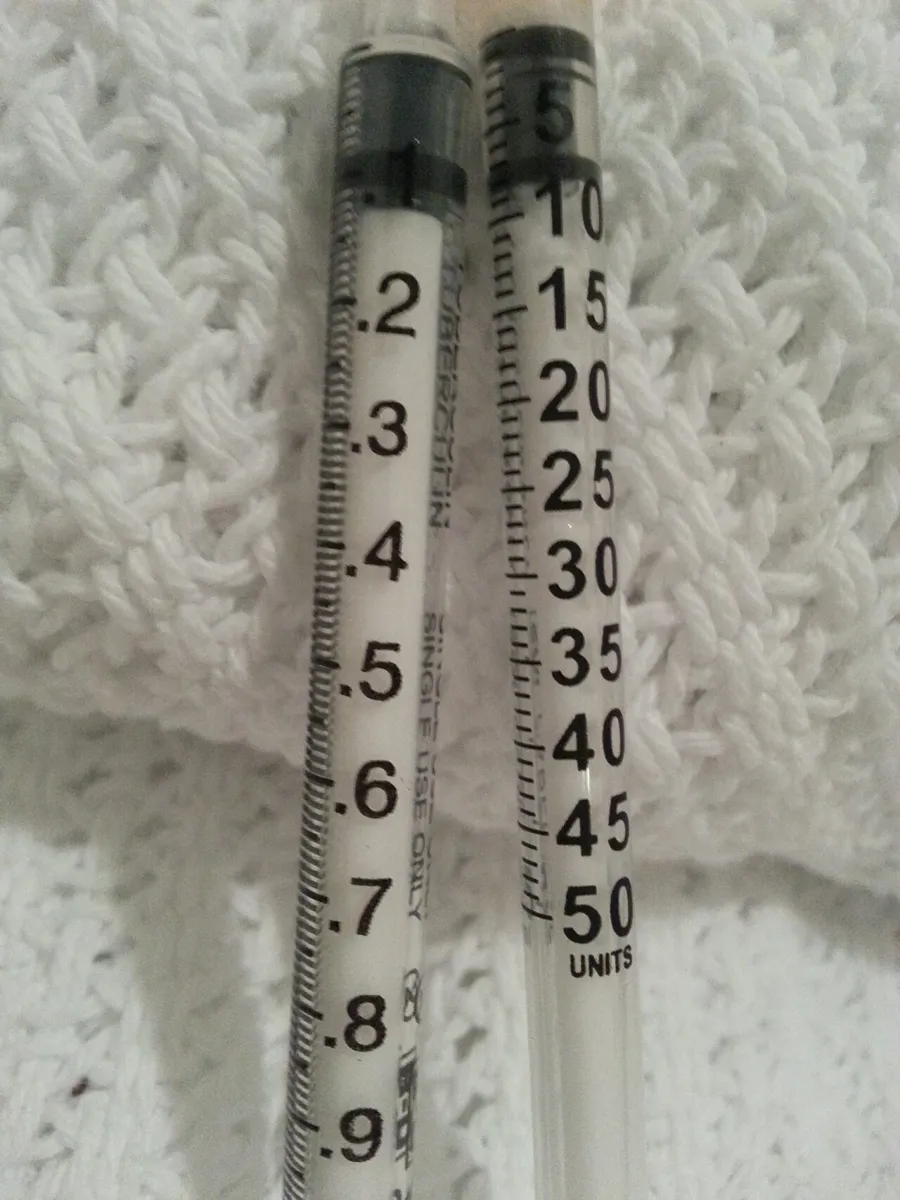
A medication error is any preventable event that may cause inappropriate medication use or patient harm while the medicine is in the control of a professional, patient or carer. Errors occur at prescribing, transcribing, dispensing, administration and monitoring, but most harmful ones arise in prescribing and administration, at transitions of care and with high-risk medicines such as insulin, anticoagulants, opioids, injectable potassium, methotrexate and chemotherapy. About 1 in 20 patients experience preventable harm in healthcare, and medicines are the largest category. Patient safety science treats errors mainly as products of systems: in Reason's Swiss cheese model, latent conditions line up with active failures (slips, lapses, mistakes, violations). Safe practice combines individual habits with system defences (electronic prescribing with decision support, barcode administration, pharmacist review, forcing functions). After an error the priorities are patient safety, honest disclosure under the duty of candour, reporting and learning in a just culture.
Patient case, mechanism, investigations, management, flashcards and exam-style questions.Open the lesson →
Key facts
- Medication error = preventable failure in the treatment process; an adverse drug reaction can occur without any error
- Stages: prescribing, transcribing, dispensing, administration, monitoring; prescribing and administration errors cause most harm
- Preventable harm affects about 1 in 20 patients in healthcare; medication incidents are the largest category (meta-analysis 2019)
- High-risk medicines (A PINCH): Anti-infectives, Potassium and electrolytes, Insulin, Narcotics/opioids and sedatives, Chemotherapy, Heparin and other anticoagulants
- Never write 'U' for units or 'µg'; use a leading zero (0.5 mg) and no trailing zero (5 mg, not 5.0 mg)
- Reason's model: slips and lapses (execution), mistakes (rule- or knowledge-based planning), violations (deliberate deviations); latent conditions are system weaknesses
- Medicines reconciliation within 24 hours of admission prevents omissions and duplications at transitions
- After an error: make the patient safe, inform a senior, tell the patient (duty of candour), document, report and learn
Differential diagnosis
| Condition | Clues | Key test |
|---|---|---|
| Medication error | Preventable deviation from the intended treatment process | Review the chart, prescription and administration record |
| Adverse drug reaction (no error) | Harm at a normal dose used correctly (e.g. ACE inhibitor angioedema) | Causality assessment; report to pharmacovigilance (e.g. Yellow Card, MedWatch) |
| Near miss | Error intercepted before reaching the patient | Report for learning even though no harm |
| Drug interaction | Correct drugs, harmful combination (e.g. clarithromycin with warfarin) | INR, levels; interaction checker |
| Non-adherence | Patient does not take medicine as intended | Medication history, pill counts, levels |
| Disease progression mimicking error | Deterioration due to illness, not treatment | Clinical review; timeline of events |
Exam pearls
Guideline
WHO Global Patient Safety Action Plan 2021–2030 and Medication Without Harm challenge (2017), NICE NG5 Medicines optimisation (2015), GMC Good practice in prescribing and managing medicines and devices (2021), professional duty of candour guidance (GMC/NMC) and NHS England Patient Safety Incident Response Framework (2022)
References
- Reason J.. Human error: models and management. BMJ 2000.
- Bates DW, Cullen DJ, Laird N, et al.. Incidence of adverse drug events and potential adverse drug events. Implications for prevention. ADE Prevention Study Group. JAMA 1995.
- Panagioti M, Khan K, Keers RN, et al.. Prevalence, severity, and nature of preventable patient harm across medical care settings: systematic review and meta-analysis. BMJ 2019.
- Elliott RA, Camacho E, Jankovic D, Sculpher MJ, Faria R.. Economic analysis of the prevalence and clinical and economic burden of medication error in England. BMJ Qual Saf 2021.
- Donaldson LJ, Kelley ET, Dhingra-Kumar N, Kieny MP, Sheikh A.. Medication Without Harm: WHO's third global patient safety challenge. Lancet 2017.
- World Health Organization. Global patient safety action plan 2021–2030: towards eliminating avoidable harm in health care. WHO 2021.
Related topics
By Dr Khalid Seidi (B.Sc., M.D.) · MedEd World Clinical Knowledge library. Original teaching content checked against current guidelines (November 2026); confirm the latest local guidance before clinical use. Not a substitute for clinical judgement.