Clinical Knowledge › Internal medicine › Pulmonology › Relevant pharmacology
Methylxanthines (theophylline)
Methylxanthines are purine derivatives that include theophylline, its soluble salt aminophylline, caffeine and doxofylline. Theophylline relaxes airway smooth muscle by non-selective phosphodiesterase inhibition (raising cyclic AMP) and blocks adenosine receptors; at low concentrations it also has anti-inflammatory effects through histone deacetylase-2 activation. It is cheap and taken orally, so it is still used in many countries, but its bronchodilator effect is weak, its therapeutic range is narrow (about 10–20 mg/L, many now aim for 5–15 mg/L) and its clearance by hepatic CYP1A2 is altered by smoking, heart failure, liver disease, fever and many interacting drugs. Toxicity causes vomiting, tachyarrhythmias, hypokalaemia and seizures. Current GOLD and GINA reports do not recommend theophylline unless better inhaled treatments are unavailable or unaffordable; intravenous aminophylline is a senior-led add-on in life-threatening asthma. Caffeine remains standard for apnoea of prematurity.
Patient case, mechanism, investigations, management, flashcards and exam-style questions.Open the lesson →
Key facts
- Theophylline inhibits phosphodiesterases (PDE3 and PDE4), raising cAMP, and antagonises adenosine A1 and A2 receptors
- Therapeutic range is narrow: traditionally 10–20 mg/L; many centres aim for 5–15 mg/L to reduce toxicity
- Metabolised mainly by hepatic CYP1A2; smoking induces it (lower levels), and ciprofloxacin, clarithromycin, erythromycin and fluvoxamine inhibit it (higher levels)
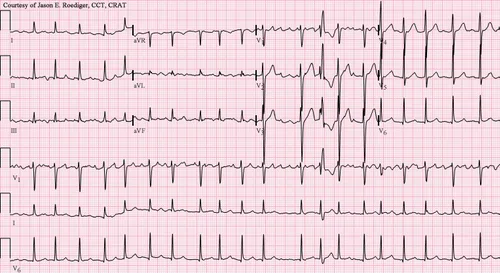
- Toxic features: nausea and vomiting first, then tachycardia, arrhythmias, hypokalaemia, hyperglycaemia, metabolic acidosis and seizures
- Severe theophylline poisoning is treated with multiple-dose activated charcoal, potassium replacement, benzodiazepines for seizures and haemodialysis
- GOLD: theophylline is not recommended unless other long-term bronchodilators are unavailable or unaffordable
- In acute asthma, IV aminophylline is only used after senior review in life-threatening or near-fatal asthma not responding to first-line therapy
- Methylxanthines block adenosine receptors, so caffeine and theophylline must be stopped before adenosine or dipyridamole stress testing
Differential diagnosis
| Condition | Clues | Key test |
|---|---|---|
| Theophylline (modified release) | Oral maintenance; dose adjusted to plasma level | Plasma level 4–6 hours after dose, at steady state |
| Aminophylline | Theophylline–ethylenediamine salt for IV use; about 80% theophylline | Level within 24 hours of infusion |
| Caffeine citrate | Apnoea of prematurity; wider therapeutic range | Clinical response; levels rarely needed |
| Doxofylline | Newer xanthine with less adenosine antagonism; used in some countries | Clinical response |
| Roflumilast | Selective PDE4 inhibitor for COPD with chronic bronchitis and exacerbations | Weight and mood monitoring |
| Ensifentrine | Inhaled dual PDE3/PDE4 inhibitor for COPD maintenance | Spirometry and symptom response |
| Long-acting inhaled bronchodilators | Preferred maintenance for COPD; more effective and safer | Spirometry and symptom scores |
Exam pearls
Guideline
GOLD 2027 report, GINA 2025 report (with 2026 update), BTS/SIGN asthma guideline (SIGN 158, 2019; acute asthma) and NICE NG115 COPD (2018, updated 2019)
References
- Global Initiative for Chronic Obstructive Lung Disease (GOLD). Global Strategy for the Diagnosis, Management, and Prevention of Chronic Obstructive Pulmonary Disease: 2027 Report. 2025.
- Global Initiative for Asthma (GINA). Global Strategy for Asthma Management and Prevention (2025 update). 2025.
- British Thoracic Society (BTS) / Scottish Intercollegiate Guidelines Network (SIGN). British guideline on the management of asthma (SIGN 158). 2019.
- National Institute for Health and Care Excellence (NICE). Chronic obstructive pulmonary disease in over 16s: diagnosis and management (NICE guideline NG115). 2018.
- Barnes PJ.. Theophylline. Am J Respir Crit Care Med 2013.
- Devereux G, Cotton S, Fielding S, et al.. Effect of Theophylline as Adjunct to Inhaled Corticosteroids on Exacerbations in Patients With COPD: A Randomized Clinical Trial. JAMA 2018.
Related topics
By Dr Khalid Seidi (B.Sc., M.D.) · MedEd World Clinical Knowledge library. Original teaching content checked against current guidelines (November 2026); confirm the latest local guidance before clinical use. Not a substitute for clinical judgement.