Clinical Knowledge › Internal medicine › Infectious diseases › Respiratory infections
Pertussis
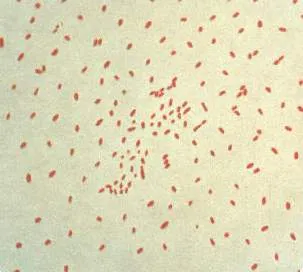
Pertussis (whooping cough) is a highly contagious respiratory infection caused by Bordetella pertussis, a Gram-negative coccobacillus whose toxins paralyse cilia. After an incubation of 7–10 days, a catarrhal stage resembling a cold (the most infectious period) is followed by weeks of paroxysmal coughing with an inspiratory whoop, post-tussive vomiting and cyanosis, then a slow convalescence – the '100-day cough'. Young infants may have no whoop but present with apnoea, cyanosis and marked lymphocytosis, and they carry nearly all the deaths, sometimes from pertussis toxin–driven leucocytosis and pulmonary hypertension. Adolescents and adults, whose vaccine immunity has waned, have a prolonged cough and are the main source for infants. Nasopharyngeal PCR in the first 3 weeks, and serology or oral-fluid antibodies later, confirm the diagnosis. A macrolide (azithromycin) within 21 days of onset reduces spread; contacts in households with vulnerable people receive prophylaxis. Maternal vaccination in every pregnancy is the most effective protection for young infants.
Patient case, mechanism, investigations, management, flashcards and exam-style questions.Open the lesson →
Key facts
- Bordetella pertussis: Gram-negative aerobic coccobacillus; pertussis toxin, filamentous haemagglutinin, pertactin, fimbriae, adenylate cyclase toxin and tracheal cytotoxin
- Stages: catarrhal (1–2 weeks, most infectious), paroxysmal (2–6 weeks, whoop and vomiting), convalescent (weeks to months)
- Infants under 3 months may present with apnoea and cyanosis without a whoop; they have the highest mortality
- Marked lymphocytosis is typical; a very high white cell count in infants predicts pulmonary hypertension and death
- PCR of a nasopharyngeal swab or aspirate is the test of choice within about 3 weeks of cough onset; serology (anti-pertussis toxin IgG) later
- Azithromycin is first line (macrolides; erythromycin avoided in neonates because of pyloric stenosis); co-trimoxazole is an alternative over 6 weeks of age
- Treat and give contact prophylaxis within 21 days of onset; exclude from school or work until 48 hours of antibiotics or 21 days from onset
- Maternal pertussis vaccination in every pregnancy (UK from 16 weeks; US 27–36 weeks) is about 90% effective against disease in young infants
Differential diagnosis
| Condition | Clues | Key test |
|---|---|---|
| RSV bronchiolitis | Coryza, tachypnoea, crackles and wheeze, no paroxysms | RSV PCR |
| Mycoplasma or Chlamydia pneumoniae infection | Prolonged cough in school-age children or adults, extrapulmonary features | Respiratory PCR |
| Inhaled foreign body | Sudden choking episode, unilateral signs | Chest X-ray, bronchoscopy |
| Asthma or cough-variant asthma | Nocturnal cough, wheeze, atopy, response to bronchodilator | Spirometry with reversibility, FeNO |
| Chlamydia trachomatis pneumonia of infancy | Infant 1–3 months, staccato cough, conjunctivitis, eosinophilia | NAAT of nasopharynx |
| Post-viral cough | Cough after a cold without paroxysms or vomiting | Clinical; PCR negative |
| Tuberculosis | Weight loss, night sweats, contact history | Chest X-ray, sputum NAAT, IGRA |
Exam pearls
Guideline
UKHSA Guidelines for the public health management of pertussis in England (current UKHSA edition), UKHSA Green Book chapter 24 Pertussis, CDC treatment and post-exposure prophylaxis recommendations (2005, current CDC clinical guidance) and WHO pertussis vaccines position paper (2015)
References
- Public Health England / UK Health Security Agency. Guidelines for the public health management of pertussis in England (PHE 2018; subsequently revised by UKHSA). PHE / UKHSA 2018.
- UK Health Security Agency. Immunisation against infectious disease (the Green Book), chapter 24: Pertussis (online chapter, updated periodically). 2006.
- Tiwari T, Murphy TV, Moran J. Recommended antimicrobial agents for the treatment and postexposure prophylaxis of pertussis: 2005 CDC guidelines. MMWR Recomm Rep 2005.
- World Health Organization. Pertussis vaccines: WHO position paper – August 2015. Wkly Epidemiol Rec 2015.
- Amirthalingam G, Andrews N, Campbell H, et al.. Effectiveness of maternal pertussis vaccination in England: an observational study. Lancet 2014.
- Kilgore PE, Salim AM, Zervos MJ, Schmitt HJ. Pertussis: microbiology, disease, treatment, and prevention. Clin Microbiol Rev 2016.
Related topics
By Dr Khalid Seidi (B.Sc., M.D.) · MedEd World Clinical Knowledge library. Original teaching content checked against current guidelines (November 2026); confirm the latest local guidance before clinical use. Not a substitute for clinical judgement.