Clinical Knowledge › Internal medicine › Gastroenterology and hepatology › Basics of gastroenterology
Stool tests (faecal immunochemical test, calprotectin, stool culture)
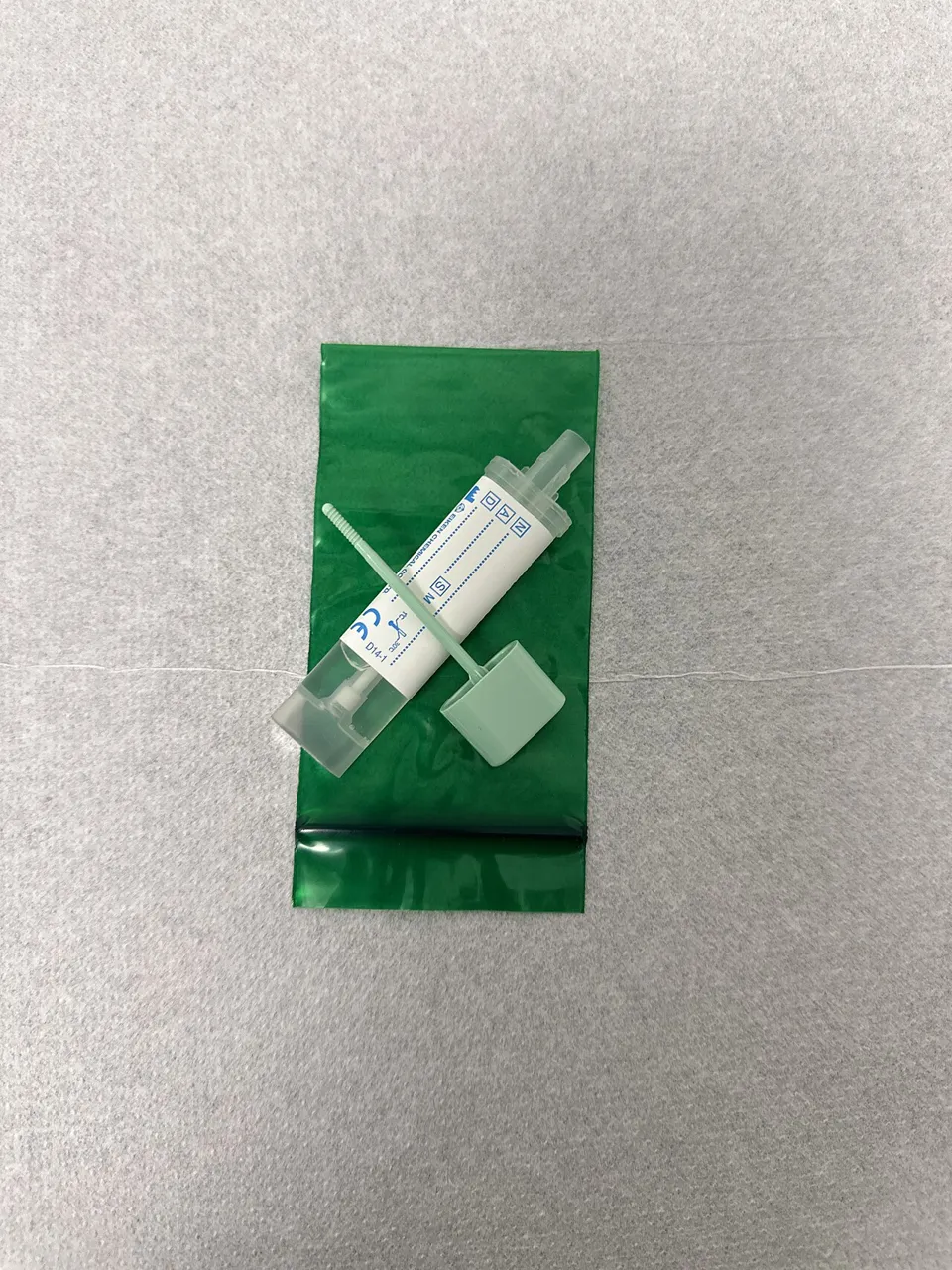
Stool tests are cheap, non-invasive and, used well, decide who needs endoscopy and who can be reassured. The quantitative faecal immunochemical test (FIT) uses antibodies against human globin to measure haemoglobin in faeces; because globin is digested in the upper gut, FIT detects lower gastrointestinal bleeding. A result of 10 µg Hb/g or more triggers an urgent colorectal cancer referral in symptomatic adults (NICE DG56 2023, ACPGBI/BSG 2022), and higher thresholds are used in population screening. Faecal calprotectin, a neutrophil protein, separates inflammatory bowel disease from irritable bowel syndrome in younger adults and monitors IBD activity. Stool culture and multiplex PCR identify bacterial, viral and parasitic causes of diarrhoea when fever, blood, severe illness, immunosuppression, travel or outbreaks are present (IDSA 2017). Clostridioides difficile testing uses a two-step algorithm on unformed stool. Other stool tests include H. pylori antigen, faecal elastase and osmotic gap. Every result must be interpreted with symptoms, blood tests and pre-test probability.
Patient case, mechanism, investigations, management, flashcards and exam-style questions.Open the lesson →
Key facts
- FIT detects human globin and is specific for lower GI bleeding; no dietary restriction is needed, unlike guaiac tests
- Symptomatic adults: FIT of 10 µg Hb/g or more = refer on suspected colorectal cancer pathway (NICE DG56 2023; ACPGBI/BSG 2022)
- FIT below 10 does not exclude cancer: about 1 in 10 cancers are FIT negative, so safety-net, check FBC and refer if symptoms persist, iron deficiency or a rectal mass
- Screening FIT positive = colonoscopy, not a repeat stool test; USPSTF 2021 recommends screening from age 45 with annual FIT as one option
- Faecal calprotectin below 50 µg/g makes IBD unlikely; 50–200 is a grey zone (repeat); above about 200–250 needs gastroenterology referral
- Calprotectin is raised by infection, NSAIDs, PPIs, colorectal cancer, polyps and diverticulitis – it shows bowel inflammation, not its cause
- Stool culture or multiplex PCR is indicated for diarrhoea with fever, blood, severe illness, immunosuppression, travel, outbreaks or duration over 7 days
- C. difficile: test only unformed stool; two-step algorithm (GDH or NAAT, then toxin immunoassay); no test of cure
Differential diagnosis
| Condition | Clues | Key test |
|---|---|---|
| Colorectal cancer | Older adult, change in bowel habit, iron deficiency, FIT 10 or more | Colonoscopy (or CT colonography) |
| Inflammatory bowel disease | Young adult, chronic diarrhoea, blood, raised calprotectin and CRP | Ileocolonoscopy with biopsies |
| Irritable bowel syndrome | Pain related to defecation, normal calprotectin, FIT and bloods | Positive diagnosis with Rome criteria and normal basic tests |
| Infective colitis | Acute bloody diarrhoea, fever, contacts or travel | Stool culture or multiplex PCR, Shiga toxin testing |
| C. difficile infection | Recent antibiotics or hospital stay, 3 or more unformed stools a day | GDH or NAAT plus toxin immunoassay |
| Microscopic colitis | Older woman, watery diarrhoea, NSAIDs or PPIs, normal mucosa | Colonoscopy with right and left colon biopsies |
| Exocrine pancreatic insufficiency | Steatorrhoea, weight loss, chronic pancreatitis or diabetes | Faecal elastase below 200 µg/g |
| Upper GI bleeding | Melaena, anaemia; FIT may be negative | OGD |
Exam pearls
Guideline
NICE DG56 quantitative FIT (2023), ACPGBI/BSG FIT guideline (2022), NICE DG11 faecal calprotectin (2013), USPSTF colorectal cancer screening (2021), IDSA infectious diarrhoea guideline (2017), IDSA/SHEA C. difficile guideline (2017) with 2021 focused update and BSG chronic diarrhoea guideline (2018)
References
- National Institute for Health and Care Excellence (NICE). Quantitative faecal immunochemical testing to guide colorectal cancer pathway referral in primary care (diagnostics guidance DG56). 2023.
- Monahan KJ, Davies MM, Abulafi M, et al.. Faecal immunochemical testing (FIT) in patients with signs or symptoms of suspected colorectal cancer (CRC): a joint guideline from the ACPGBI and the BSG. Gut 2022.
- National Institute for Health and Care Excellence (NICE). Faecal calprotectin diagnostic tests for inflammatory diseases of the bowel (diagnostics guidance DG11). 2013.
- Davidson KW, Barry MJ, Mangione CM, et al.. Screening for Colorectal Cancer: US Preventive Services Task Force Recommendation Statement. JAMA 2021.
- Shane AL, Mody RK, Crump JA, et al.. 2017 Infectious Diseases Society of America clinical practice guidelines for the diagnosis and management of infectious diarrhea. Clin Infect Dis 2017.
- Johnson S, Lavergne V, Skinner AM, et al.. Clinical Practice Guideline by the Infectious Diseases Society of America (IDSA) and Society for Healthcare Epidemiology of America (SHEA): 2021 Focused Update Guidelines on Management of Clostridioides difficile Infection in Adults. Clin Infect Dis 2021.
Related topics
By Dr Khalid Seidi (B.Sc., M.D.) · MedEd World Clinical Knowledge library. Original teaching content checked against current guidelines (November 2026); confirm the latest local guidance before clinical use. Not a substitute for clinical judgement.