Clinical Knowledge › Internal medicine › Infectious diseases › Sepsis and cardiovascular infections
Toxic shock syndrome
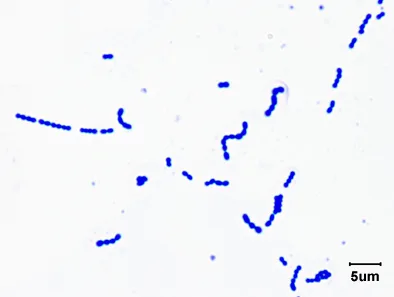
Toxic shock syndrome (TSS) is an acute, toxin-mediated illness with fever, rash, hypotension and rapid multiorgan failure. It is caused by superantigen exotoxins from Staphylococcus aureus (TSST-1 and enterotoxins) or Streptococcus pyogenes (streptococcal pyrogenic exotoxins). Superantigens activate up to a fifth of all T cells, triggering a cytokine storm. Staphylococcal TSS may be menstrual (tampons, menstrual cups) or non-menstrual (surgical wounds, nasal packing, burns, abscesses); blood cultures are usually negative and mortality is under about 5–10%. Streptococcal TSS usually follows invasive group A streptococcal infection such as necrotising fasciitis, cellulitis, postpartum infection or varicella, with positive blood cultures and mortality of 30–60%. Diagnosis uses CDC clinical criteria. Treatment is resuscitation, urgent source control (remove tampon or packing, debride necrotic tissue), a bactericidal beta-lactam plus clindamycin to switch off toxin production, and IV immunoglobulin for severe streptococcal TSS.
Patient case, mechanism, investigations, management, flashcards and exam-style questions.Open the lesson →
Key facts
- Superantigens (TSST-1, staphylococcal enterotoxins B and C, streptococcal pyrogenic exotoxins A and C) cross-link MHC class II and T-cell receptor Vβ chains, activating up to 20% of T cells
- Staphylococcal TSS (CDC): fever 38.9 °C or higher, diffuse macular erythroderma, desquamation 1–2 weeks later (palms and soles), systolic BP 90 mmHg or less, and involvement of 3 or more organ systems
- Streptococcal TSS (CDC): isolation of group A streptococcus plus hypotension plus 2 or more of AKI, coagulopathy, liver involvement, ARDS, erythematous rash or soft-tissue necrosis
- Blood cultures are positive in most streptococcal TSS but in under 5% of staphylococcal TSS
- Mortality: menstrual staphylococcal TSS under about 5%; streptococcal TSS about 30–60%
- Antibiotics: beta-lactam (benzylpenicillin for GAS; flucloxacillin or cefazolin for MSSA; vancomycin for MRSA) PLUS clindamycin (or linezolid) to inhibit toxin synthesis
- Source control is the priority: remove tampons, menstrual cups, nasal packing or infected devices; debride necrotising infection within hours
- IV immunoglobulin is suggested in severe streptococcal TSS (meta-analysis: lower mortality when added to clindamycin); evidence in staphylococcal TSS is weaker
Differential diagnosis
| Condition | Clues | Key test |
|---|---|---|
| Septic shock from other bacteria | Shock without erythroderma or desquamation | Cultures, source imaging |
| Meningococcal sepsis | Petechial or purpuric non-blanching rash, meningism | Blood culture and PCR for N. meningitidis |
| Staphylococcal scalded skin syndrome | Child, tender skin, Nikolsky positive, superficial blistering, usually no shock | Clinical; skin biopsy shows intraepidermal split |
| Stevens–Johnson syndrome or TEN | Drug exposure, mucositis, epidermal detachment | Skin biopsy: full-thickness epidermal necrosis |
| Kawasaki disease | Child under 5, fever 5 days or more, conjunctivitis, lips, extremity changes | Clinical criteria; echocardiography for coronary aneurysms |
| Scarlet fever | Sandpaper rash, strawberry tongue, pharyngitis, no shock | Throat swab for GAS |
| Rocky Mountain spotted fever or leptospirosis | Tick bite or freshwater exposure, rash starting on wrists and ankles | Serology or PCR |
| DRESS | Drug 2–8 weeks earlier, facial oedema, eosinophilia, hepatitis | Eosinophilia, RegiSCAR score |
Exam pearls
Guideline
CDC case definitions: toxic shock syndrome (other than streptococcal) 2011 and streptococcal toxic shock syndrome 2010; IDSA skin and soft tissue infection guideline (2014); UK guidelines for the management of contacts of invasive group A streptococcus in community settings (UKHSA, version 2.0, March 2023); Surviving Sepsis Campaign 2026
References
- Centers for Disease Control and Prevention. Toxic shock syndrome (other than streptococcal) (TSS): 2011 case definition. National Notifiable Diseases Surveillance System 2011.
- Centers for Disease Control and Prevention. Streptococcal toxic shock syndrome (STSS) (Streptococcus pyogenes): 2010 case definition. National Notifiable Diseases Surveillance System 2010.
- Stevens DL, Bisno AL, Chambers HF, et al.. Practice guidelines for the diagnosis and management of skin and soft tissue infections: 2014 update by the Infectious Diseases Society of America. Clin Infect Dis 2014.
- UK Health Security Agency. UK guidelines for the management of contacts of invasive group A streptococcus (iGAS) infection in community settings, version 2.0. UKHSA 2023.
- Parks T, Wilson C, Curtis N, Norrby-Teglund A, Sriskandan S.. Polyspecific intravenous immunoglobulin in clindamycin-treated patients with streptococcal toxic shock syndrome: a systematic review and meta-analysis. Clin Infect Dis 2018.
- Lappin E, Ferguson AJ.. Gram-positive toxic shock syndromes. Lancet Infect Dis 2009.
Related topics
By Dr Khalid Seidi (B.Sc., M.D.) · MedEd World Clinical Knowledge library. Original teaching content checked against current guidelines (November 2026); confirm the latest local guidance before clinical use. Not a substitute for clinical judgement.