Clinical Knowledge › Internal medicine › Rheumatology and immunology › Crystal and infectious arthritis
Viral arthritis
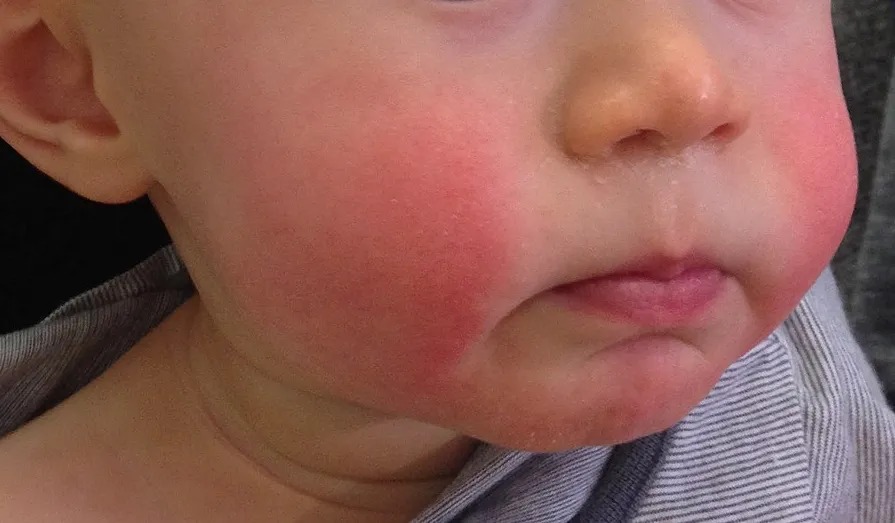
Viral arthritis is joint inflammation that occurs during or soon after a viral infection, caused by direct infection of synovium or, more often, by immune complexes and cytokines. Parvovirus B19, hepatitis B and C, rubella (and rubella vaccine), HIV and the mosquito-borne alphaviruses such as chikungunya and Ross River virus are the main causes. Most cases present as an acute, symmetrical small-joint polyarthritis with fever or rash and can closely mimic early rheumatoid arthritis; transient rheumatoid factor or low-titre ANA may even be positive. Diagnosis rests on exposure history (children with slapped cheeks, travel to an epidemic area, sexual or blood-borne risk), the time course and targeted serology or PCR. Treatment is supportive with rest, paracetamol and NSAIDs once dengue has been excluded; most cases settle within weeks. Chikungunya can cause months of disabling arthritis, hepatitis C is linked to cryoglobulinaemia, and parvovirus B19 threatens the fetus and people with haemolytic anaemia. Labelling a patient with rheumatoid arthritis should wait until symptoms persist beyond about 6 weeks.
Patient case, mechanism, investigations, management, flashcards and exam-style questions.Open the lesson →
Key facts
- Most viral arthritis is acute, symmetrical, small-joint polyarthritis that resolves within 2–6 weeks without joint damage
- Parvovirus B19 is the commonest cause in temperate countries: adults (often parents or teachers) get an RA-like polyarthritis; children get slapped cheeks
- Confirm recent parvovirus B19 with anti-B19 IgM (and IgG seroconversion or PCR); transient RF can be positive
- Hepatitis B causes a prodromal immune-complex arthritis with urticaria before jaundice; hepatitis C causes arthralgia and mixed cryoglobulinaemia
- Chikungunya causes high fever with severe, often disabling polyarthralgia; up to about half of patients have symptoms months later
- In a returning traveller with fever and joint pain, avoid NSAIDs and steroids until dengue is excluded (bleeding risk)
- Parvovirus B19 in pregnancy (especially before 20 weeks) can cause fetal anaemia and hydrops; it also causes aplastic crisis in sickle cell disease
- Do not label rheumatoid arthritis until polyarthritis persists beyond about 6 weeks and viral causes have been excluded
Differential diagnosis
| Condition | Clues | Key test |
|---|---|---|
| Early rheumatoid arthritis | Persistent symmetrical synovitis beyond 6 weeks, morning stiffness | Anti-CCP, high-titre RF, repeat review at 6–12 weeks |
| Reactive arthritis | Asymmetrical lower-limb oligoarthritis 1–4 weeks after diarrhoea or urethritis | Stool culture, chlamydia NAAT, HLA-B27 |
| Septic (bacterial) arthritis | Single hot swollen joint, unable to bear weight | Joint aspiration: Gram stain, culture, cell count |
| Gonococcal arthritis | Migratory polyarthralgia, tenosynovitis, pustular skin lesions | NAAT of urethra, cervix, throat and rectum; blood culture |
| Acute rheumatic fever | Migratory large-joint arthritis after streptococcal pharyngitis | ASO titre, ECG, echocardiography |
| Systemic lupus erythematosus | Polyarthralgia, rash, cytopenias, persists | ANA, anti-dsDNA, complement |
| Serum sickness-like reaction | Rash, fever and arthralgia 1–2 weeks after a new drug | Drug history; resolves on withdrawal |
| Dengue | Fever, severe myalgia and arthralgia, falling platelets in a traveller | NS1 antigen, dengue PCR, platelet count |
Exam pearls
Guideline
WHO guidelines for the clinical management of arboviral diseases (2025), French Infectious Diseases Society chikungunya guidelines (2014) and UK Health Security Agency guidance on viral rash in pregnancy (2019)
References
- World Health Organization. WHO guidelines for the clinical management of arboviral diseases: dengue, chikungunya, Zika and yellow fever. World Health Organization, Geneva 2025.
- Simon F, Javelle E, Cabie A, et al.. French guidelines for the management of chikungunya (acute and persistent presentations). November 2014. Med Mal Infect 2015.
- Public Health England (now UK Health Security Agency). Guidance on the investigation, diagnosis and management of viral rash illness, or exposure to viral rash illness, in pregnancy. PHE 2019.
- Marks M, Marks JL. Viral arthritis. Clin Med (Lond) 2016.
- Young NS, Brown KE. Parvovirus B19. N Engl J Med 2004.
- Vassilopoulos D, Calabrese LH. Virally associated arthritis 2008: clinical, epidemiologic, and pathophysiologic considerations. Arthritis Res Ther 2008.
Related topics
By Dr Khalid Seidi (B.Sc., M.D.) · MedEd World Clinical Knowledge library. Original teaching content checked against current guidelines (November 2026); confirm the latest local guidance before clinical use. Not a substitute for clinical judgement.