Clinical Knowledge › Paediatrics › Paediatric gastroenterology and surgery
Acute gastroenteritis and dehydration in children
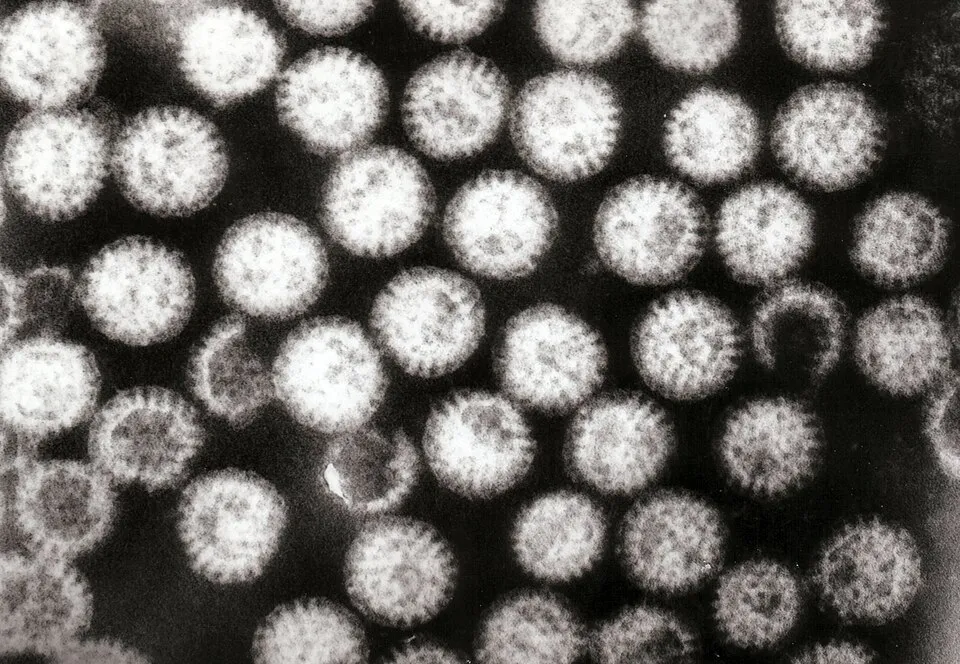
Acute gastroenteritis is a sudden onset of diarrhoea (three or more loose stools in 24 hours), with or without vomiting, usually caused by viruses: norovirus now leads where rotavirus vaccine is used, while rotavirus remains the main cause of severe dehydrating disease elsewhere. The paediatric task is to grade dehydration (none, some or clinical, severe or shock) using appearance, responsiveness, eyes, mucous membranes, skin turgor, capillary refill and urine output, to spot red flags and alternative diagnoses (intussusception, DKA, sepsis, HUS, surgical abdomen), and to rehydrate. Oral rehydration solution is first-line, 50 mL/kg over 4 hours plus maintenance in clinical dehydration, given in small frequent amounts or by nasogastric tube. Intravenous fluid is for shock or failure of enteral rehydration. Continue breastfeeding and normal diet; give zinc in low-income settings; a single dose of ondansetron can help persistent vomiting. Antibiotics and antidiarrhoeals are rarely needed, and rotavirus vaccination and handwashing prevent disease.
Patient case, mechanism, investigations, management, flashcards and exam-style questions.Open the lesson →
Key facts
- Diarrhoea usually lasts 5–7 days and stops within 2 weeks; vomiting usually settles within 1–3 days
- Highest dehydration risk: under 1 year (especially under 6 months), low birth weight, more than 5 diarrhoeal stools or more than 2 vomits in 24 hours, inability to take fluids, malnutrition
- Red-flag signs of clinical dehydration (NICE): appears unwell or deteriorating, altered responsiveness, sunken eyes, tachycardia, tachypnoea, reduced skin turgor
- ORS first: 50 mL/kg over 4 hours plus maintenance for clinical dehydration; nasogastric ORS if the child cannot drink enough
- Shock: 10 mL/kg isotonic crystalloid bolus over under 10 minutes, reassess and repeat; then deficit (100 mL/kg) plus maintenance with isotonic fluid
- Holliday–Segar maintenance: 100 mL/kg/day for first 10 kg, 50 mL/kg/day for next 10 kg, 20 mL/kg/day thereafter
- Hypernatraemic dehydration: rehydrate slowly over at least 48 hours, lowering sodium by no more than about 10–12 mmol/L per 24 hours
- WHO: low-osmolarity ORS plus zinc 10 mg/day (under 6 months) or 20 mg/day (6 months and older) for 10–14 days
Differential diagnosis
| Condition | Clues | Key test |
|---|---|---|
| Intussusception | Age 3 months–2 years, episodic inconsolable crying with pallor, drawing up legs, redcurrant-jelly stool, sausage mass | Abdominal ultrasound (target sign) |
| Diabetic ketoacidosis | Vomiting and abdominal pain with polyuria, polydipsia, weight loss, Kussmaul breathing | Capillary glucose and ketones; blood gas |
| Sepsis, meningitis or UTI | Fever, toxic appearance, vomiting without diarrhoea, non-blanching rash | Cultures, urine, lumbar puncture as indicated |
| Haemolytic uraemic syndrome | Pallor, oliguria and bruising 5–10 days after bloody diarrhoea (STEC) | FBC with film, platelets, creatinine, LDH |
| Appendicitis or surgical obstruction | Localised pain, bilious vomiting, distension, no or little diarrhoea | Surgical review; ultrasound |
| Cow's milk allergy or coeliac disease | Chronic or recurrent diarrhoea, faltering growth, atopy | Elimination trial; coeliac serology |
| Raised intracranial pressure or toxin ingestion | Vomiting with headache, drowsiness, or access to medicines | Neurological examination; toxicology history |
Exam pearls
Guideline
NICE CG84 Diarrhoea and vomiting caused by gastroenteritis in under 5s (2009, current), NICE NG29 IV fluid therapy in children (2015, updated 2020), ESPGHAN/ESPID acute gastroenteritis guideline (2014) with the ESPGHAN probiotic position paper (2023), and WHO/UNICEF ORS–zinc and IMCI recommendations
References
- National Institute for Health and Care Excellence. Diarrhoea and vomiting caused by gastroenteritis in under 5s: diagnosis and management (CG84). NICE clinical guideline 2009.
- National Institute for Health and Care Excellence. Intravenous fluid therapy in children and young people in hospital (NG29). NICE guideline 2015.
- Guarino A, Ashkenazi S, Gendrel D, et al.. European Society for Pediatric Gastroenterology, Hepatology, and Nutrition/European Society for Pediatric Infectious Diseases evidence-based guidelines for the management of acute gastroenteritis in children in Europe: update 2014. J Pediatr Gastroenterol Nutr 2014.
- Szajewska H, Berni Canani R, Domellöf M, et al.. Probiotics for the management of pediatric gastrointestinal disorders: position paper of the ESPGHAN Special Interest Group on Gut Microbiota and Modifications. J Pediatr Gastroenterol Nutr 2023.
- Schnadower D, Tarr PI, Casper TC, et al.. Lactobacillus rhamnosus GG versus placebo for acute gastroenteritis in children. N Engl J Med 2018.
- Freedman SB, Willan AR, Boutis K, Schuh S.. Effect of dilute apple juice and preferred fluids vs electrolyte maintenance solution on treatment failure among children with mild gastroenteritis: a randomized clinical trial. JAMA 2016.
Related topics
By Dr Khalid Seidi (B.Sc., M.D.) · MedEd World Clinical Knowledge library. Original teaching content checked against current guidelines (November 2026); confirm the latest local guidance before clinical use. Not a substitute for clinical judgement.