Clinical Knowledge › Internal medicine › Infectious diseases › Relevant pharmacology
Antifungal drugs
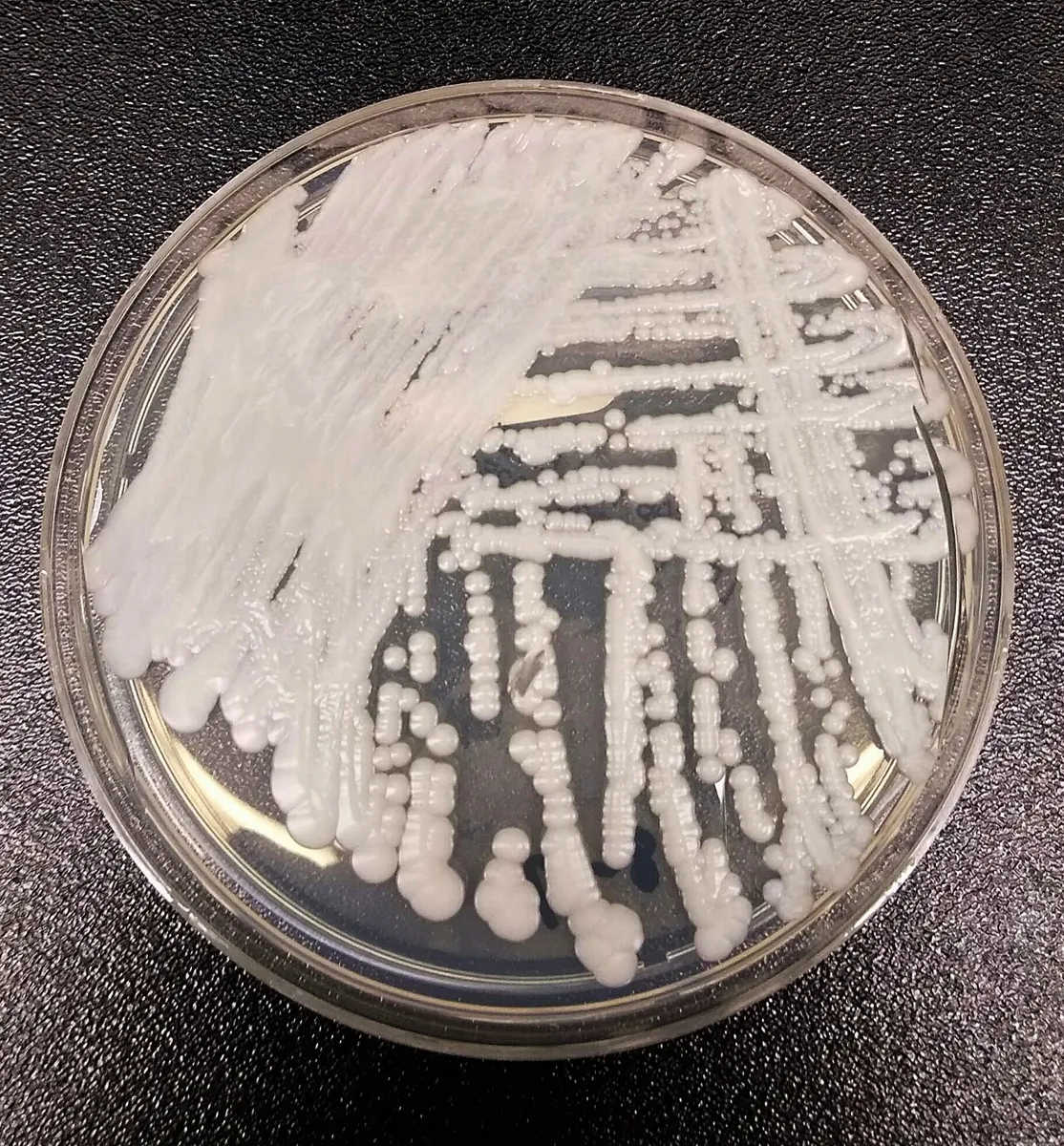
Systemic antifungals exploit differences between fungal and human cells: ergosterol in the membrane and β-1,3-D-glucan in the cell wall. Polyenes (amphotericin B) bind ergosterol and form pores; lipid formulations reduce the nephrotoxicity of the deoxycholate form. Azoles inhibit lanosterol 14α-demethylase: fluconazole covers most Candida and Cryptococcus but not moulds, while voriconazole, posaconazole and isavuconazole also cover Aspergillus, and the last two cover Mucorales. Azoles are strong CYP3A4 inhibitors, so interactions and QT effects dominate prescribing, and voriconazole, posaconazole and itraconazole need therapeutic drug monitoring. Echinocandins (caspofungin, micafungin, anidulafungin, once-weekly rezafungin) inhibit glucan synthase, are first line for candidaemia and are well tolerated but IV only. Flucytosine is combined with amphotericin for cryptococcal meningitis. Terbinafine treats dermatophyte nail infection. Rising resistance, including multidrug-resistant Candida auris and azole-resistant Aspergillus fumigatus, makes species identification and susceptibility testing essential.
Patient case, mechanism, investigations, management, flashcards and exam-style questions.Open the lesson →
Key facts
- Amphotericin B binds ergosterol and forms membrane pores; broadest spectrum including Mucorales; deoxycholate form causes nephrotoxicity, hypokalaemia, hypomagnesaemia and infusion reactions
- Azoles inhibit fungal CYP51 (lanosterol 14α-demethylase); they also inhibit human CYP3A4, causing major interactions (tacrolimus, ciclosporin, simvastatin, vincristine, warfarin)
- Fluconazole: Candida and Cryptococcus; no mould activity; Pichia (Candida) kudriavzevii is intrinsically resistant and Nakaseomyces (Candida) glabratus often less susceptible
- Voriconazole or isavuconazole is first line for invasive aspergillosis; voriconazole causes visual disturbance, photosensitivity, hepatitis and needs trough monitoring
- Echinocandins block β-1,3-D-glucan synthase; first line for candidaemia and C. auris; poor penetration into eye, CSF and urine
- Cryptococcal meningitis (WHO 2022): single high-dose liposomal amphotericin B 10 mg/kg plus 14 days of flucytosine and fluconazole
- Mucormycosis: surgical debridement plus liposomal amphotericin B; isavuconazole or posaconazole for step-down or salvage
- Terbinafine (squalene epoxidase inhibitor) for dermatophyte onychomycosis; check liver tests; griseofulvin for tinea capitis in some settings
Differential diagnosis
| Condition | Clues | Key test |
|---|---|---|
| Amphotericin nephrotoxicity versus septic AKI | Rising creatinine with hypokalaemia and hypomagnesaemia days after starting amphotericin | Electrolytes, urine output, timing |
| Voriconazole toxicity versus fungal CNS disease | Visual disturbance and hallucinations soon after starting voriconazole | Voriconazole trough level |
| Azole-induced tacrolimus toxicity versus rejection | Rising creatinine and tremor after an azole is started in a transplant recipient | Tacrolimus trough |
| Breakthrough mucormycosis on voriconazole | New sinus or lung lesion in a neutropenic patient on voriconazole prophylaxis or therapy | CT, biopsy; reverse halo sign |
| Azole-resistant Aspergillus | Progression despite adequate voriconazole level | Culture and susceptibility, cyp51A testing |
| Drug-induced liver injury from azoles or terbinafine | Raised transaminases or cholestasis after starting therapy | LFTs, timing, exclude other causes |
Exam pearls
Guideline
ECMM/ISHAM/ASM global guideline for candidiasis (2025), IDSA aspergillosis guideline (2016), ESCMID-ECMM-ERS aspergillosis guideline (2018), WHO guidelines for cryptococcal disease in HIV (2022) and ECMM/MSG-ERC global mucormycosis guideline (2019)
References
- Cornely OA, Sprute R, Bassetti M, et al.. Global guideline for the diagnosis and management of candidiasis: an initiative of the ECMM in cooperation with ISHAM and ASM. Lancet Infect Dis 2025.
- Patterson TF, Thompson GR 3rd, Denning DW, et al.. Practice guidelines for the diagnosis and management of aspergillosis: 2016 update by the Infectious Diseases Society of America. Clin Infect Dis 2016.
- Ullmann AJ, Aguado JM, Arikan-Akdagli S, et al.. Diagnosis and management of Aspergillus diseases: executive summary of the 2017 ESCMID-ECMM-ERS guideline. Clin Microbiol Infect 2018.
- Maertens JA, Raad II, Marr KA, et al.. Isavuconazole versus voriconazole for primary treatment of invasive mould disease caused by Aspergillus and other filamentous fungi (SECURE): a phase 3, randomised-controlled, non-inferiority trial. Lancet 2016.
- World Health Organization. Guidelines for diagnosing, preventing and managing cryptococcal disease among adults, adolescents and children living with HIV. World Health Organization, Geneva 2022.
- Cornely OA, Alastruey-Izquierdo A, Arenz D, et al.. Global guideline for the diagnosis and management of mucormycosis: an initiative of the European Confederation of Medical Mycology in cooperation with the Mycoses Study Group Education and Research Consortium. Lancet Infect Dis 2019.
Related topics
By Dr Khalid Seidi (B.Sc., M.D.) · MedEd World Clinical Knowledge library. Original teaching content checked against current guidelines (November 2026); confirm the latest local guidance before clinical use. Not a substitute for clinical judgement.