Clinical Knowledge › Internal medicine › Infectious diseases › Relevant pharmacology
Macrolides, tetracyclines and clindamycin
Macrolides (erythromycin, clarithromycin, azithromycin), tetracyclines (doxycycline, minocycline, tigecycline) and the lincosamide clindamycin are protein synthesis inhibitors that are mostly bacteriostatic. Macrolides and clindamycin bind the 23S rRNA of the 50S subunit; tetracyclines bind the 30S subunit and block aminoacyl-tRNA entry. Together they cover the 'atypical' and intracellular organisms that beta-lactams miss: Mycoplasma, Legionella, Chlamydia, Rickettsia and Borrelia. Doxycycline is first-line for chlamydia (CDC 2021), Lyme disease, rickettsial infection and malaria prophylaxis, and since 2024 is used as post-exposure prophylaxis against bacterial STIs. Azithromycin treats Campylobacter, pertussis and enteric fever. Clindamycin covers streptococci, many staphylococci and anaerobes and suppresses toxin production in necrotising fasciitis and toxic shock. Exam-critical harms are QT prolongation and CYP3A4 inhibition with clarithromycin, chelation, photosensitivity and tooth staining with tetracyclines, and Clostridioides difficile with clindamycin.
Patient case, mechanism, investigations, management, flashcards and exam-style questions.Open the lesson →
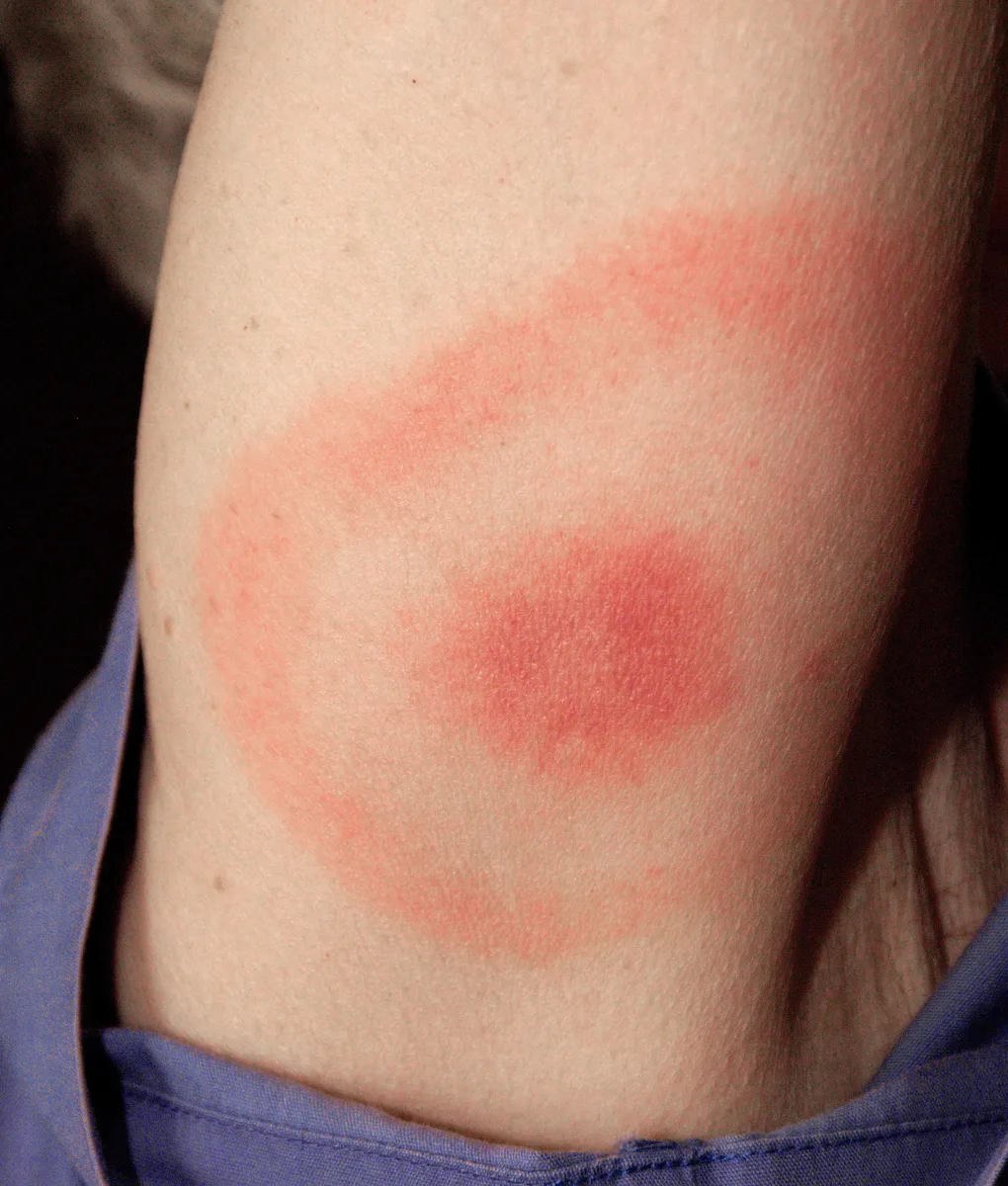
Key facts
- Macrolides and clindamycin bind 23S rRNA on the 50S subunit; tetracyclines bind the 30S subunit and block aminoacyl-tRNA at the A site
- erm ribosomal methylation gives MLSB cross-resistance to macrolides, lincosamides and streptogramin B; the D-test detects inducible clindamycin resistance
- Clarithromycin and erythromycin strongly inhibit CYP3A4 (simvastatin, colchicine, ciclosporin, some DOACs); azithromycin has little CYP effect
- All macrolides can prolong the QT interval; avoid combining with other QT-prolonging drugs or in hypokalaemia
- Doxycycline 100 mg twice daily for 7 days is first-line for uncomplicated chlamydia (CDC 2021, BASHH) (teaching dose; check local guidelines)
- Tetracyclines chelate calcium, magnesium, aluminium, iron and zinc; avoid in pregnancy and usually under 8 years (tooth staining), though short doxycycline courses are accepted for serious infections
- Clindamycin is added to penicillin in necrotising fasciitis and streptococcal toxic shock to suppress toxin synthesis (Eagle effect avoided)
- Clindamycin carries one of the highest risks of Clostridioides difficile infection; tigecycline has a mortality warning and low serum levels
Differential diagnosis
| Condition | Clues | Key test |
|---|---|---|
| Macrolide-induced torsades de pointes | Syncope on clarithromycin plus another QT drug or hypokalaemia | ECG: QTc, potassium, magnesium |
| Clarithromycin–statin rhabdomyolysis | Myalgia, dark urine after starting clarithromycin with simvastatin | Creatine kinase, urine myoglobin, creatinine |
| Clostridioides difficile infection | Watery diarrhoea 5–10 days into clindamycin | Stool GDH/toxin testing |
| Doxycycline pill oesophagitis | Retrosternal pain and odynophagia after a bedtime dose with little water | Clinical; endoscopy if severe |
| Phototoxic reaction | Sunburn-like rash on exposed skin during doxycycline | Clinical distribution |
| Idiopathic intracranial hypertension | Headache and papilloedema on minocycline or doxycycline for acne | Fundoscopy, MRI venography, lumbar puncture pressure |
| Minocycline-induced lupus or hepatitis | Arthralgia, rash, raised ALT after long-term acne treatment | ANA, ALT; stop drug |
Exam pearls
Guideline
CDC STI Treatment Guidelines 2021, CDC doxycycline post-exposure prophylaxis guideline 2024 and IDSA skin and soft-tissue infection guideline 2014
References
- Workowski KA, Bachmann LH, Chan PA, et al.. Sexually Transmitted Infections Treatment Guidelines, 2021. MMWR Recomm Rep 2021.
- Bachmann LH, Barbee LA, Chan P, et al.. CDC Clinical Guidelines on the Use of Doxycycline Postexposure Prophylaxis for Bacterial Sexually Transmitted Infection Prevention, United States, 2024. MMWR Recomm Rep 2024.
- Luetkemeyer AF, Donnell D, Dombrowski JC, et al.. Postexposure Doxycycline to Prevent Bacterial Sexually Transmitted Infections. N Engl J Med 2023.
- Stevens DL, Bisno AL, Chambers HF, et al.. Practice guidelines for the diagnosis and management of skin and soft tissue infections: 2014 update by the Infectious Diseases Society of America. Clin Infect Dis 2014.
- Liu C, Bayer A, Cosgrove SE, et al.. Clinical practice guidelines by the Infectious Diseases Society of America for the treatment of methicillin-resistant Staphylococcus aureus infections in adults and children. Clin Infect Dis 2011.
- Ray WA, Murray KT, Hall K, Arbogast PG, Stein CM.. Azithromycin and the risk of cardiovascular death. N Engl J Med 2012.
Related topics
By Dr Khalid Seidi (B.Sc., M.D.) · MedEd World Clinical Knowledge library. Original teaching content checked against current guidelines (November 2026); confirm the latest local guidance before clinical use. Not a substitute for clinical judgement.