Clinical Knowledge › Internal medicine › Infectious diseases › Relevant pharmacology
Fluoroquinolones
Fluoroquinolones (ciprofloxacin, levofloxacin, moxifloxacin, ofloxacin, delafloxacin) inhibit bacterial DNA gyrase and topoisomerase IV, trapping them on cleaved DNA and causing rapid, concentration-dependent killing. Oral bioavailability is excellent, so oral doses match IV and tissue penetration is good. Ciprofloxacin is the most active against Gram-negative bacilli and Pseudomonas; levofloxacin and moxifloxacin ('respiratory quinolones') add pneumococci and atypicals, and moxifloxacin is a key drug in rifampicin-resistant TB. Their use is now deliberately restricted: rare but disabling and potentially irreversible effects on tendons, muscles, joints and nerves, CNS effects, QT prolongation, dysglycaemia and an association with aortic aneurysm and dissection led the MHRA (2024) to restrict systemic fluoroquinolones to cases where other recommended antibiotics are inappropriate. Resistance is common in E. coli, gonococci, Campylobacter and Salmonella Typhi. Ciprofloxacin inhibits CYP1A2. New topoisomerase inhibitors, gepotidacin and zoliflodacin, were approved in 2025.
Patient case, mechanism, investigations, management, flashcards and exam-style questions.Open the lesson →
Key facts
- Target DNA gyrase (topoisomerase II; main Gram-negative target) and topoisomerase IV (main Gram-positive target); bactericidal, AUC/MIC-dependent
- Oral bioavailability 70–99%: switch IV to oral early; chelation by calcium, magnesium, aluminium, iron and zinc reduces absorption
- Ciprofloxacin covers Pseudomonas but is weak against pneumococci; levofloxacin and moxifloxacin cover pneumococci and atypicals
- Moxifloxacin is hepatically cleared and reaches low urine levels, so it is not used for UTI; ciprofloxacin and levofloxacin need renal dose adjustment
- MHRA January 2024: prescribe systemic fluoroquinolones only when other commonly recommended antibiotics are inappropriate
- Tendon rupture risk rises with age over 60, corticosteroids and kidney or solid-organ transplant; stop at the first sign of tendon pain
- Other harms: QT prolongation, seizures and psychiatric effects, neuropathy, dysglycaemia, aortic aneurysm/dissection, C. difficile
- Ciprofloxacin inhibits CYP1A2: raises theophylline, tizanidine and clozapine levels
Differential diagnosis
| Condition | Clues | Key test |
|---|---|---|
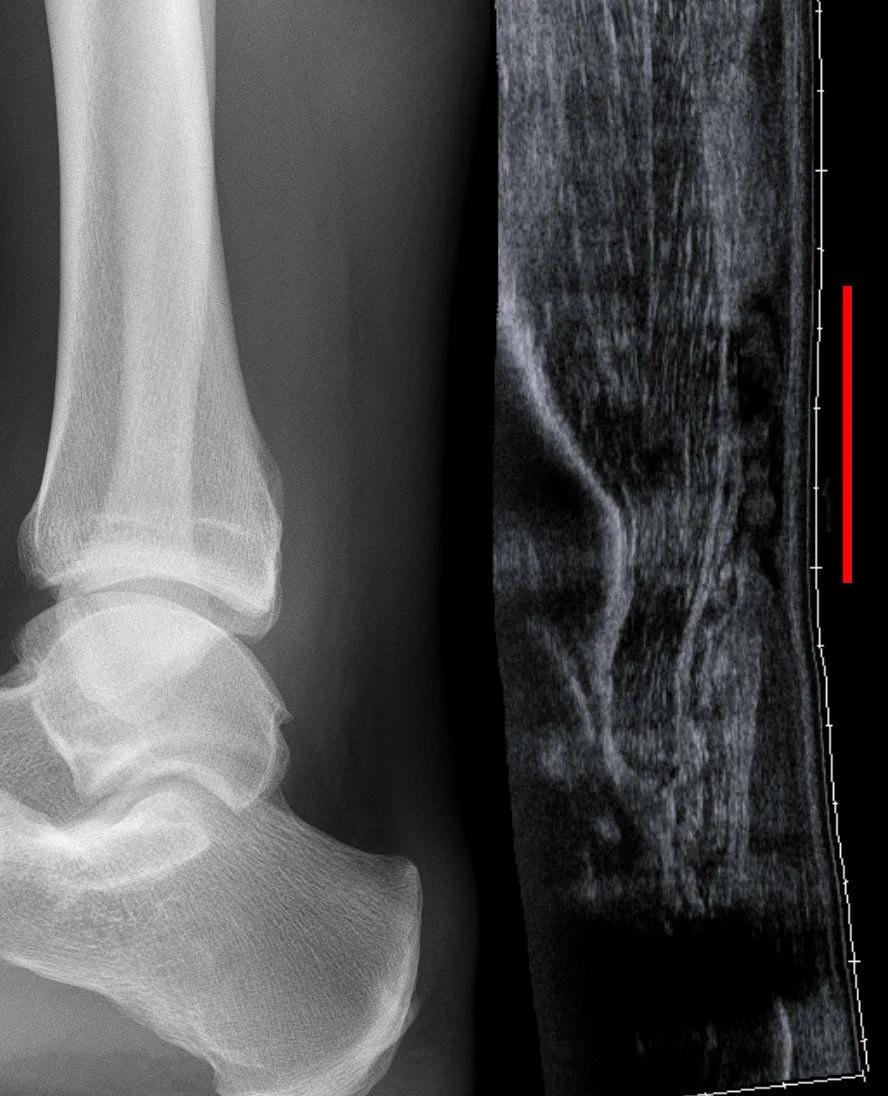
| Fluoroquinolone tendinopathy | Achilles pain or swelling during or weeks after therapy, often with steroids | Clinical; ultrasound |
| Gout or plantar fasciitis | Heel or joint pain without quinolone exposure | Urate, joint aspiration, ultrasound |
| Fluoroquinolone peripheral neuropathy | Burning or tingling feet soon after starting | Clinical; nerve conduction studies |
| Drug-induced QT prolongation | Palpitations or syncope with other QT drugs or hypokalaemia | ECG, potassium, magnesium |
| Dysglycaemia | Hypoglycaemia in a patient on a sulfonylurea or insulin | Capillary glucose |
| Aortic aneurysm rupture or dissection | Sudden chest, back or abdominal pain in at-risk older adult | CT angiography |
| Clostridioides difficile infection | Diarrhoea after the course | Stool GDH and toxin |
Exam pearls
Guideline
MHRA Drug Safety Update 2024 (systemic fluoroquinolones), with EMA 2018 and FDA 2016–2018 safety restrictions
References
- Medicines and Healthcare products Regulatory Agency. Fluoroquinolone antibiotics: must now only be prescribed when other commonly recommended antibiotics are inappropriate (Drug Safety Update). MHRA, London 2024.
- Pasternak B, Inghammar M, Svanström H.. Fluoroquinolone use and risk of aortic aneurysm and dissection: nationwide cohort study. BMJ 2018.
- Wagenlehner F, Perry CR, Hooton TM, et al.. Oral gepotidacin versus nitrofurantoin in patients with uncomplicated urinary tract infection (EAGLE-2 and EAGLE-3): two randomised, controlled, double-blind, double-dummy, phase 3, non-inferiority trials. Lancet 2024.
- Ross JDC, Wilson J, Workowski KA, et al.. Oral gepotidacin for the treatment of uncomplicated urogenital gonorrhoea (EAGLE-1): a phase 3 randomised, open-label, non-inferiority, multicentre study. Lancet 2025.
- Bennett JE, Dolin R, Blaser MJ (eds).. Mandell, Douglas, and Bennett's Principles and Practice of Infectious Diseases, 9th edition. Elsevier 2020.
- National Institute for Health and Care Excellence. Pyelonephritis (acute): antimicrobial prescribing (NG111). NICE 2018.
Related topics
By Dr Khalid Seidi (B.Sc., M.D.) · MedEd World Clinical Knowledge library. Original teaching content checked against current guidelines (November 2026); confirm the latest local guidance before clinical use. Not a substitute for clinical judgement.