Clinical Knowledge › Urology › Urological cancers
Bladder cancer
Bladder cancer is usually urothelial carcinoma; squamous cell carcinoma has historically predominated where urinary schistosomiasis is endemic. Smoking causes about half of cases, and occupational aromatic amines (dyes, rubber, leather, paint), cyclophosphamide, pelvic radiotherapy and aristolochic acid add risk. The classic presentation is painless visible haematuria in an older smoker, so unexplained visible haematuria from age 45 needs urgent flexible cystoscopy and CT urography. Transurethral resection of bladder tumour (TURBT) is diagnostic and therapeutic. About 75% are non-muscle-invasive (Ta, T1, carcinoma in situ): these recur often and are managed by risk group with a single post-operative chemotherapy instillation, intravesical chemotherapy or BCG, cystoscopic surveillance and early cystectomy for very high-risk disease. Muscle-invasive disease needs cisplatin-based neoadjuvant chemotherapy and radical cystectomy, or trimodality bladder preservation. Enfortumab vedotin with pembrolizumab is now first-line for metastatic disease.
Patient case, mechanism, investigations, management, flashcards and exam-style questions.Open the lesson →
Key facts
- Over 90% are urothelial carcinomas in high-income countries; squamous cell carcinoma is linked to Schistosoma haematobium, chronic catheters and stones; urachal adenocarcinoma arises at the dome
- Smoking is the main risk factor (about 50%); others: aromatic amines (2-naphthylamine, benzidine), cyclophosphamide (acrolein), pelvic radiotherapy, aristolochic acid, arsenic
- Painless visible haematuria is the commonest presentation; carcinoma in situ may present with irritative LUTS and sterile pyuria
- NICE NG12: refer urgently if 45 or over with unexplained visible haematuria (no UTI, or persisting after UTI treatment), or 60 or over with non-visible haematuria plus dysuria or raised white cell count
- Flexible cystoscopy is the key test; CT urogram assesses the upper tracts; urine cytology is most sensitive for high-grade tumours and CIS
- TURBT must include detrusor muscle; re-resection within 2–6 weeks for T1 tumours or when muscle is absent
- High-risk NMIBC: intravesical BCG induction plus 1–3 years of maintenance; very high risk: discuss immediate radical cystectomy
- Muscle-invasive: cisplatin-based neoadjuvant chemotherapy then radical cystectomy with pelvic lymph node dissection, or trimodality therapy in selected patients
Differential diagnosis
| Condition | Clues | Key test |
|---|---|---|
| Urinary tract infection (haemorrhagic cystitis) | Dysuria, frequency, positive culture; haematuria resolves after treatment | Urine culture; repeat dipstick after treatment |
| Kidney or ureteric stone | Colicky loin pain with haematuria | CT KUB |
| Benign prostatic hyperplasia with bleeding prostatic vessels | Older man with LUTS; bleeding often at start of stream | Cystoscopy still needed to exclude tumour |
| Upper tract urothelial carcinoma or renal cell carcinoma | Haematuria with flank mass or filling defect | CT urogram |
| Radiation or cyclophosphamide cystitis | Prior pelvic radiotherapy or cyclophosphamide | Cystoscopy and biopsy |
| Glomerular disease (e.g. IgA nephropathy) | Dysmorphic red cells, red cell casts, proteinuria, younger patient | Urine microscopy, ACR, renal referral |
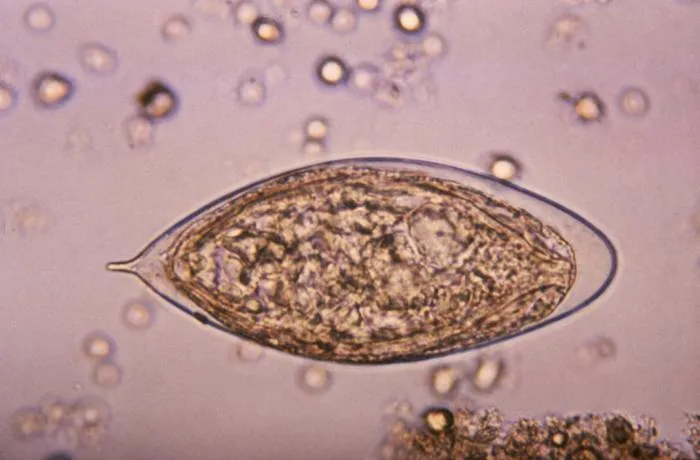
| Urogenital schistosomiasis | Terminal haematuria in a young person from an endemic area | Urine microscopy for terminal-spined eggs (midday sample) |
Exam pearls
Guideline
EAU Guidelines on Non-muscle-invasive Bladder Cancer 2026, EAU Guidelines on Muscle-invasive and Metastatic Bladder Cancer 2025, AUA/SUO NMIBC Guideline (2024 amendment) and NICE NG2 (2015) with NICE NG12
References
- Gontero P, Mariappan P, Pradere B, et al.. EAU Guidelines on Nonmuscle-invasive Bladder Cancer (TaT1 and CIS) - A Summary of the 2026 Guidelines Update. Eur Urol 2026.
- van der Heijden AG, Bruins HM, Carrion A, et al.. European Association of Urology Guidelines on Muscle-invasive and Metastatic Bladder Cancer: Summary of the 2025 Guidelines. Eur Urol 2025.
- Holzbeierlein JM, Bixler BR, Buckley DI, et al.. Diagnosis and Treatment of Non-Muscle Invasive Bladder Cancer: AUA/SUO Guideline: 2024 Amendment. J Urol 2024.
- National Institute for Health and Care Excellence. Bladder cancer: diagnosis and management (NG2). NICE, London 2015.
- National Institute for Health and Care Excellence. Suspected cancer: recognition and referral (NG12). NICE, London 2015.
- Powles T, Valderrama BP, Gupta S, et al.. Enfortumab Vedotin and Pembrolizumab in Untreated Advanced Urothelial Cancer. N Engl J Med 2024.
Related topics
By Dr Khalid Seidi (B.Sc., M.D.) · MedEd World Clinical Knowledge library. Original teaching content checked against current guidelines (November 2026); confirm the latest local guidance before clinical use. Not a substitute for clinical judgement.