Clinical Knowledge › Internal medicine › Cardiology and angiology › Cardiomyopathies and myocardial diseases
Hypertrophic cardiomyopathy
Hypertrophic cardiomyopathy (HCM) is left ventricular hypertrophy, usually asymmetric and septal, that is not explained by abnormal loading such as hypertension or aortic stenosis. It is the commonest inherited heart disease, affecting about 1 in 500 people, and is usually autosomal dominant, caused by variants in sarcomere genes such as MYBPC3 and MYH7. About two-thirds of patients have left ventricular outflow tract obstruction at rest or on provocation, caused by septal hypertrophy and systolic anterior motion of the mitral valve. Symptoms include exertional breathlessness, chest pain and syncope; HCM is a leading cause of sudden cardiac death in young people and athletes. Diagnosis is by echocardiography and cardiac MRI, with genetic testing and family screening. Phenocopies such as Fabry disease and amyloidosis must be excluded. Treatment includes beta-blockers or rate-limiting calcium-channel blockers, cardiac myosin inhibitors (mavacamten, aficamten), septal reduction therapy for drug-refractory obstruction, anticoagulation for AF, and ICDs for those at high sudden-death risk.
Patient case, mechanism, investigations, management, flashcards and exam-style questions.Open the lesson →
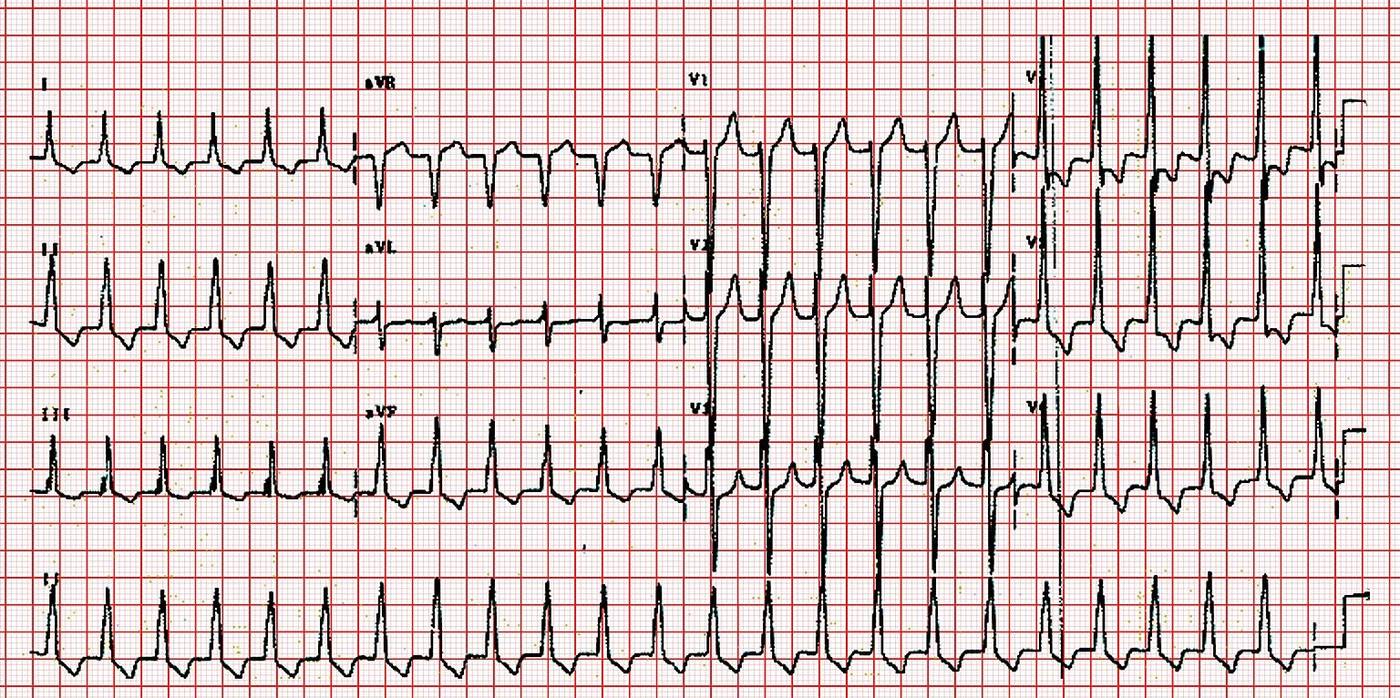
Key facts
- Diagnosis: LV wall thickness 15 mm or more (13 mm or more in relatives or genotype-positive people) not explained by loading conditions
- Prevalence about 1 in 500; autosomal dominant; MYBPC3 and MYH7 are the commonest genes
- LVOT obstruction = peak gradient 30 mmHg or more; 50 mmHg or more (at rest or provoked) is the threshold for invasive treatment
- The murmur gets louder with Valsalva and standing (less preload) and softer with squatting and handgrip
- Sudden death risk markers: family history of SCD, unexplained syncope, wall thickness 30 mm or more, NSVT, LVEF below 50%, apical aneurysm, extensive LGE
- First-line drug: non-vasodilating beta-blocker; avoid vasodilators, dehydration, high-dose diuretics and digoxin in obstructive HCM
- Cardiac myosin inhibitors (mavacamten, aficamten) reduce gradients and improve symptoms; aficamten beat metoprolol in MAPLE-HCM
- Anticoagulate AF in HCM regardless of CHA2DS2-VA score; screen first-degree relatives
Differential diagnosis
| Condition | Clues | Key test |
|---|---|---|
| Athlete's heart | Symmetric mild LVH (usually under 13 mm), dilated LV cavity, normal diastolic function, regresses with detraining | Echo, CMR, cardiopulmonary exercise test, detraining |
| Hypertensive heart disease | Long-standing hypertension, concentric LVH under 15 mm | BP history, echo, ambulatory BP |
| Aortic stenosis | Ejection murmur radiating to carotids, slow-rising pulse | Echo of aortic valve |
| Cardiac amyloidosis | LVH with low ECG voltages, carpal tunnel, older age | Bone scintigraphy, light chains |
| Fabry disease | Neuropathic pain, angiokeratoma, proteinuria, short PR | Alpha-galactosidase A activity (men), GLA genetics, low T1 on CMR |
| Danon or PRKAG2 disease | Massive LVH with pre-excitation in a young patient | Genetic testing |
| Noonan syndrome | Childhood HCM with short stature, webbed neck, pulmonary stenosis | RASopathy genetic testing |
Exam pearls
Guideline
2024 AHA/ACC/AMSSM/HRS/PACES/SCMR Guideline for the management of hypertrophic cardiomyopathy; 2023 ESC Guidelines for the management of cardiomyopathies
References
- Ommen SR, Ho CY, Asif IM, et al.. 2024 AHA/ACC/AMSSM/HRS/PACES/SCMR Guideline for the Management of Hypertrophic Cardiomyopathy. Circulation 2024.
- Arbelo E, Protonotarios A, Gimeno JR, et al.. 2023 ESC Guidelines for the management of cardiomyopathies. Eur Heart J 2023.
- Zeppenfeld K, Tfelt-Hansen J, de Riva M, et al.. 2022 ESC Guidelines for the management of patients with ventricular arrhythmias and the prevention of sudden cardiac death. Eur Heart J 2022.
- Olivotto I, Oreziak A, Barriales-Villa R, et al.. Mavacamten for treatment of symptomatic obstructive hypertrophic cardiomyopathy (EXPLORER-HCM): a randomised, double-blind, placebo-controlled, phase 3 trial. Lancet 2020.
- Maron MS, Masri A, Nassif ME, et al.. Aficamten for symptomatic obstructive hypertrophic cardiomyopathy. N Engl J Med 2024.
- Garcia-Pavia P, Maron MS, Masri A, et al.. Aficamten or metoprolol monotherapy for obstructive hypertrophic cardiomyopathy. N Engl J Med 2025.
Related topics
By Dr Khalid Seidi (B.Sc., M.D.) · MedEd World Clinical Knowledge library. Original teaching content checked against current guidelines (November 2026); confirm the latest local guidance before clinical use. Not a substitute for clinical judgement.