Clinical Knowledge › Internal medicine › Cardiology and angiology › Cardiomyopathies and myocardial diseases
Peripartum cardiomyopathy
Peripartum cardiomyopathy (PPCM) is heart failure with reduced ejection fraction (LVEF almost always below 45%) presenting towards the end of pregnancy or in the months after delivery, most often in the first month postpartum, in a woman with no other identifiable cause. Incidence ranges from about 1 in 100 deliveries in parts of Nigeria to far fewer in Europe; risk is higher with African ancestry, pre-eclampsia, older maternal age and twin pregnancy. A key mechanism is oxidative stress cleaving prolactin into a 16-kDa fragment that damages endothelium and cardiomyocytes, together with placental anti-angiogenic factors and, in up to a fifth, variants in dilated cardiomyopathy genes such as TTN. Symptoms overlap with normal pregnancy, so natriuretic peptides and echocardiography are essential. Treatment is guideline-directed heart failure therapy adapted for pregnancy and breastfeeding, anticoagulation when indicated, bromocriptine in selected patients and mechanical support for shock. About half recover within 6 months, but relapse in later pregnancies is a major risk.
Patient case, mechanism, investigations, management, flashcards and exam-style questions.Open the lesson →
Key facts
- Definition: HFrEF (LVEF usually below 45%) towards the end of pregnancy or months after delivery with no other cause; most present in the first month postpartum
- Risk factors: African ancestry, pre-eclampsia and hypertension, maternal age over 30, multiple pregnancy, prolonged tocolysis, anaemia
- Mechanism: cathepsin D cleaves prolactin into a 16-kDa vasoinhibin fragment; sFlt-1 from the placenta; DCM gene variants (TTN) in up to 20%
- Symptoms mimic late pregnancy: breathlessness, orthopnoea, oedema; check NT-proBNP and echo in any suspicious case
- In pregnancy: no ACE inhibitor, ARB, ARNI, MRA or SGLT2 inhibitor; use beta-blocker (metoprolol), hydralazine plus nitrate and loop diuretic
- Bromocriptine (with anticoagulation) may be considered to block prolactin; avoid catecholamine inotropes in shock
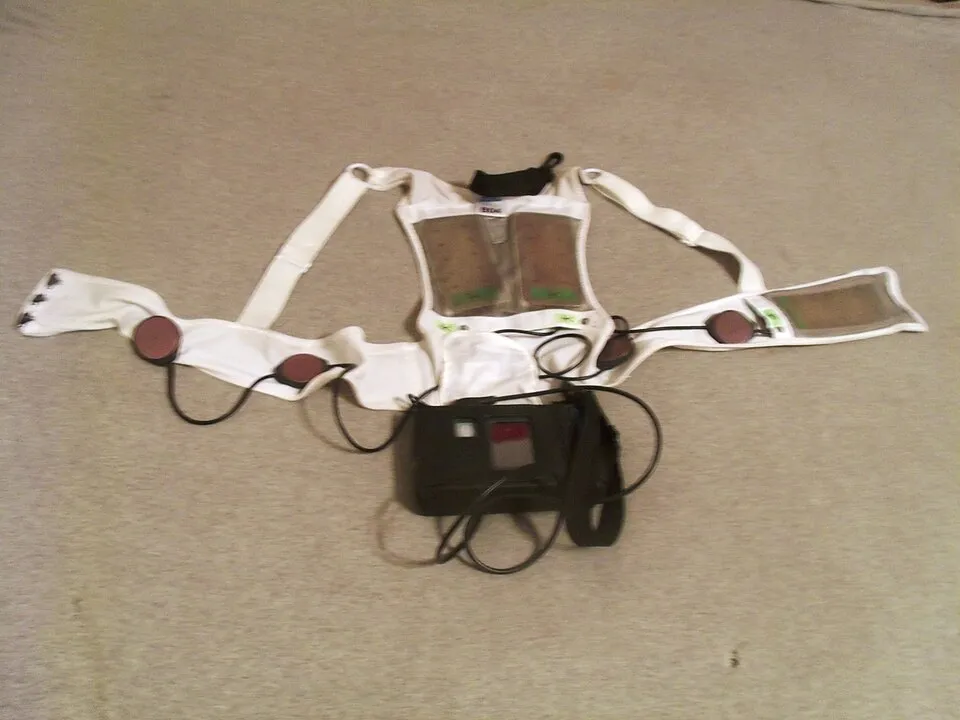
- Wearable defibrillator as a bridge in early months; ICD only if LVEF stays 35% or less after about 6 months of therapy
- About half recover within 6 months; a further pregnancy is discouraged if LVEF has not normalised, and recurrence risk remains even after recovery
Differential diagnosis
| Condition | Clues | Key test |
|---|---|---|
| Normal pregnancy symptoms | Mild breathlessness and ankle oedema, normal NT-proBNP and echo | NT-proBNP, echo |
| Pulmonary embolism | Sudden pleuritic pain, hypoxaemia, RV strain; LV normal | CT pulmonary angiography or V/Q scan |
| Pre-eclampsia with pulmonary oedema | Hypertension, proteinuria, often preserved LVEF | BP, urine protein–creatinine ratio, echo, sFlt-1/PlGF ratio |
| Pre-existing dilated cardiomyopathy unmasked by pregnancy | Symptoms in second trimester, known family history | History, previous imaging, genetics |
| Pregnancy-associated MI or SCAD | Chest pain, ST changes, regional wall motion abnormality | ECG, troponin, coronary angiography |
| Amniotic fluid embolism | Sudden collapse during labour with coagulopathy | Clinical diagnosis |
| Rheumatic mitral stenosis decompensating | Diastolic murmur, normal LVEF, high gradient | Echo |
Exam pearls
Guideline
2025 ESC Guidelines for the management of cardiovascular disease and pregnancy; HFA/ESC 2019 position statement on peripartum cardiomyopathy; 2026 ESC heart failure guideline
References
- De Backer J, Haugaa KH, Hasselberg NE, et al.. 2025 ESC Guidelines for the management of cardiovascular disease and pregnancy. Eur Heart J 2025.
- Bauersachs J, König T, van der Meer P, et al.. Pathophysiology, diagnosis and management of peripartum cardiomyopathy: a position statement from the Heart Failure Association of the European Society of Cardiology Study Group on peripartum cardiomyopathy. Eur J Heart Fail 2019.
- Køber L, Adamo M, Ruwald AC, et al.. 2026 ESC Guidelines for the management of heart failure. Eur Heart J 2026.
- van der Meer P, van Essen BJ, Viljoen C, et al.. Bromocriptine treatment and outcomes in peripartum cardiomyopathy: the EORP PPCM registry. Eur Heart J 2025.
- Hilfiker-Kleiner D, Haghikia A, Berliner D, et al.. Bromocriptine for the treatment of peripartum cardiomyopathy: a multicentre randomized study. Eur Heart J 2017.
- Karaye KM, Jackson AM, Damasceno A, et al.. Clinical Profile and Outcomes of Patients with Peripartum Cardiomyopathy in Africa: The Peripartum Cardiomyopathy Registry of EURObservational Research Programme. Ann Afr Med 2026.
Related topics
By Dr Khalid Seidi (B.Sc., M.D.) · MedEd World Clinical Knowledge library. Original teaching content checked against current guidelines (November 2026); confirm the latest local guidance before clinical use. Not a substitute for clinical judgement.