Clinical Knowledge › Anaesthesiology › General anaesthesia
Intraoperative monitoring standards
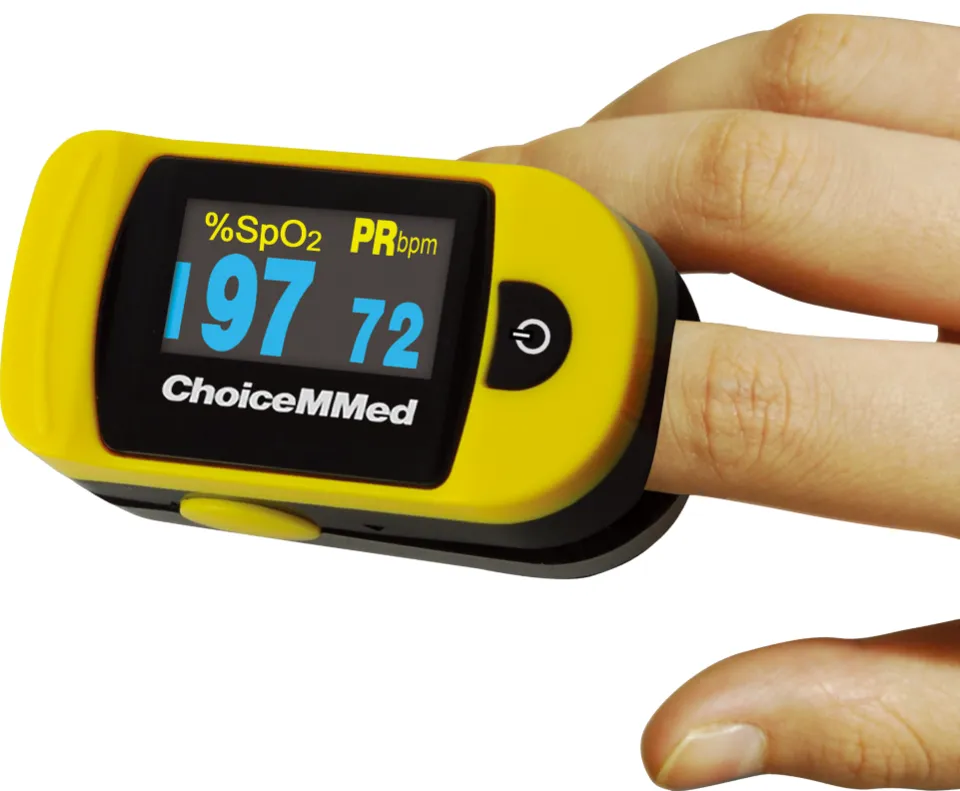
Intraoperative monitoring standards define the minimum observation every anaesthetised or sedated patient must receive so that hypoxaemia, hypoventilation, circulatory collapse and equipment failure are detected before harm occurs. The foundation is the continuous presence of a trained anaesthetist. Minimum monitoring, started before induction and continued into recovery, includes pulse oximetry, non-invasive blood pressure at least every 5 minutes, ECG and waveform capnography, together with inspired oxygen, airway pressure and anaesthetic vapour concentration. The Association of Anaesthetists 2021 standards add quantitative neuromuscular monitoring whenever neuromuscular blockers are used, processed EEG when TIVA is combined with paralysis, temperature monitoring, and capnography during sedation and in recovery while an airway device remains. Invasive arterial, central venous and cardiac output monitoring are added according to patient and surgical risk. Alarms must be set and audible, and every monitor must be interpreted with clinical observation, because each has limitations.
Patient case, mechanism, investigations, management, flashcards and exam-style questions.Open the lesson →
Key facts
- The single most important monitor is a trained anaesthetist present throughout the anaesthetic
- Minimum monitoring before induction: pulse oximetry, non-invasive blood pressure, ECG and (for general anaesthesia) capnography
- Non-invasive blood pressure is measured at least every 5 minutes, more often when unstable
- Waveform capnography is mandatory for every patient with an airway device and for moderate or deep sedation; it remains in place in recovery until the airway device is removed
- Quantitative neuromuscular monitoring (train-of-four ratio) is required whenever a neuromuscular blocker is given; extubate only at a ratio of 0.9 or more
- Processed EEG is recommended when total intravenous anaesthesia is combined with neuromuscular blockade
- Core temperature should be measured before induction and every 30 minutes during surgery, and every 15 minutes in recovery (NICE CG65)
- The WHO-WFSA 2018 international standards regard pulse oximetry, intermittent blood pressure and CO2 detection to confirm tube placement as 'highly recommended' everywhere in the world
Differential diagnosis
| Condition | Clues | Key test |
|---|---|---|
| Pulse oximeter artefact | Low SpO2 with poor plethysmograph trace, cold peripheries or movement | Check waveform, probe site, compare with clinical signs and arterial blood gas |
| True hypoxaemia | Low SpO2 with good trace, cyanosis or rising airway pressure | Arterial blood gas; check FiO2, circuit, tube position |
| Non-invasive BP cuff error | Implausible reading with wrong cuff size or arm movement | Repeat with correctly sized cuff; arterial line if unstable |
| Arterial line damping or transducer error | Flattened waveform or reading changes with table height | Flush test, check transducer level at phlebostatic axis, re-zero |
| Diathermy ECG interference | Bizarre ECG during surgical diathermy with normal pulse oximetry trace | Correlate with pulse oximetry and arterial waveform |
| Methaemoglobinaemia | SpO2 stuck near 85% despite high FiO2, chocolate-brown blood | Co-oximetry on arterial blood gas |
| Carbon monoxide poisoning | Normal SpO2 with tissue hypoxia (burns, fire victim) | Co-oximetry carboxyhaemoglobin |
Exam pearls
Guideline
Association of Anaesthetists Recommendations for standards of monitoring during anaesthesia and recovery (2021), ASA Standards for Basic Anesthetic Monitoring (last reaffirmed 2020) and WHO-WFSA International Standards for a Safe Practice of Anesthesia (2018)
References
- Klein AA, Meek T, Allcock E, et al.. Recommendations for standards of monitoring during anaesthesia and recovery 2021: Guideline from the Association of Anaesthetists. Anaesthesia 2021.
- American Society of Anesthesiologists. Standards for Basic Anesthetic Monitoring (last reaffirmed 2020). American Society of Anesthesiologists, Schaumburg, IL 2020.
- Gelb AW, Morriss WW, Johnson W, et al.. World Health Organization-World Federation of Societies of Anaesthesiologists (WHO-WFSA) International Standards for a Safe Practice of Anesthesia. Anesth Analg 2018.
- Fuchs-Buder T, Romero CS, Lewald H, et al.. Peri-operative management of neuromuscular blockade: a guideline from the European Society of Anaesthesiology and Intensive Care. Eur J Anaesthesiol 2023.
- Thilen SR, Weigel WA, Todd MM, et al.. 2023 American Society of Anesthesiologists Practice Guidelines for Monitoring and Antagonism of Neuromuscular Blockade. Anesthesiology 2023.
- Ahmad I, El-Boghdadly K, Iliff H, et al.. Difficult Airway Society 2025 guidelines for management of unanticipated difficult tracheal intubation in adults. Br J Anaesth 2026.
Related topics
By Dr Khalid Seidi (B.Sc., M.D.) · MedEd World Clinical Knowledge library. Original teaching content checked against current guidelines (November 2026); confirm the latest local guidance before clinical use. Not a substitute for clinical judgement.