Clinical Knowledge › Internal medicine › Endocrinology › Diabetes mellitus
Metabolic syndrome
Metabolic syndrome is a cluster of linked cardiometabolic risk factors – central obesity, raised triglycerides, low HDL cholesterol, raised blood pressure and raised fasting glucose – that share a common root in visceral adiposity and insulin resistance. Under the 2009 harmonised definition, any three of the five criteria make the diagnosis, with waist thresholds that depend on ethnicity. It affects roughly a quarter to a third of adults worldwide and rises steeply with age and obesity. People with the syndrome have about twice the risk of atherosclerotic cardiovascular disease and about five times the risk of type 2 diabetes; it is also tied to metabolic dysfunction-associated steatotic liver disease (MASLD), polycystic ovary syndrome, obstructive sleep apnoea, chronic kidney disease, gout and some cancers. Lifestyle change with 5–10% weight loss is the cornerstone; each component is then treated to its own target, and modern weight-lowering drugs and metabolic surgery are used when obesity drives the cluster.
Patient case, mechanism, investigations, management, flashcards and exam-style questions.Open the lesson →
Key facts
- Harmonised 2009 definition: any 3 of 5 – central obesity (ethnic-specific waist), triglycerides 1.7 mmol/L (150 mg/dL) or more, HDL below 1.0 mmol/L (40 mg/dL) in men or 1.3 mmol/L (50 mg/dL) in women, BP 130/85 mmHg or more, fasting glucose 5.6 mmol/L (100 mg/dL) or more (or treatment for any)
- Waist thresholds: Europid 94 cm men and 80 cm women (IDF) or 102/88 cm (US ATP III); South Asian, Chinese and Japanese 90/80 cm
- Insulin resistance with visceral fat and ectopic fat in liver and muscle is the unifying mechanism
- About 2-fold higher cardiovascular risk and about 5-fold higher risk of type 2 diabetes
- Atherogenic dyslipidaemia: high triglycerides, low HDL and small dense LDL particles, often with near-normal LDL cholesterol
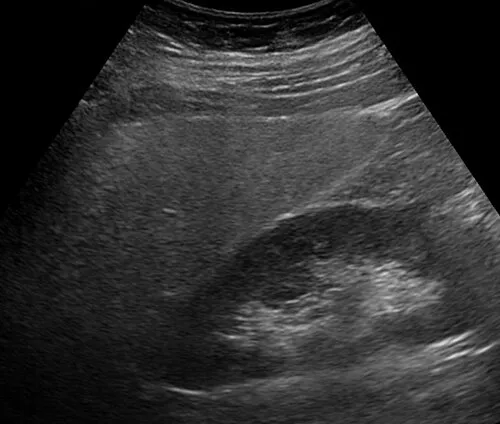
- MASLD (formerly NAFLD) is the hepatic manifestation; the 2023 nomenclature requires at least one cardiometabolic risk factor
- Weight loss of 5–10% improves every component; the Diabetes Prevention Program reduced progression to diabetes by 58% with lifestyle change
- The AHA's 2023 cardiovascular–kidney–metabolic (CKM) syndrome framework stages the cluster from 0 to 4 to guide prevention
Differential diagnosis
| Condition | Clues | Key test |
|---|---|---|
| Cushing syndrome | Proximal myopathy, wide purple striae, easy bruising, osteoporosis at a young age | Overnight 1-mg dexamethasone suppression test |
| Hypothyroidism | Weight gain with fatigue, cold intolerance, high LDL | TSH |
| Polycystic ovary syndrome | Irregular cycles and hyperandrogenism in a woman of reproductive age | Rotterdam criteria; testosterone |
| Drug-induced metabolic changes | Second-generation antipsychotics, glucocorticoids, HIV therapy, calcineurin inhibitors | Medication review |
| Lipodystrophy | Loss of subcutaneous fat in limbs with severe insulin resistance and very high triglycerides | Clinical pattern; leptin; genetic tests |
| Familial combined hyperlipidaemia | Mixed lipids in several relatives, out of proportion to weight | Family lipid profiles; apoB |
| Primary aldosteronism | Resistant hypertension, low or low-normal potassium | Aldosterone:renin ratio |
Exam pearls
Guideline
Harmonised definition of the metabolic syndrome (IDF, AHA/NHLBI, WHF, IAS, IASO; 2009); AHA Presidential Advisory on cardiovascular–kidney–metabolic health (2023); multisociety MASLD nomenclature (2023); ESC 2021 prevention guidelines; ADA Standards of Care in Diabetes—2026
References
- Alberti KGMM, Eckel RH, Grundy SM, et al.. Harmonizing the metabolic syndrome: a joint interim statement. Circulation 2009.
- Ndumele CE, Rangaswami J, Chow SL, et al.. Cardiovascular-kidney-metabolic health: a presidential advisory from the American Heart Association. Circulation 2023.
- Rinella ME, Lazarus JV, Ratziu V, et al.. A multisociety Delphi consensus statement on new fatty liver disease nomenclature. Hepatology 2023.
- Visseren FLJ, Mach F, Smulders YM, et al.. 2021 ESC Guidelines on cardiovascular disease prevention in clinical practice. Eur Heart J 2021.
- American Diabetes Association Professional Practice Committee. Standards of Care in Diabetes—2026. Diabetes Care 2026.
- Grundy SM, Cleeman JI, Daniels SR, et al.. Diagnosis and management of the metabolic syndrome: an American Heart Association/National Heart, Lung, and Blood Institute Scientific Statement. Circulation 2005.
Related topics
By Dr Khalid Seidi (B.Sc., M.D.) · MedEd World Clinical Knowledge library. Original teaching content checked against current guidelines (November 2026); confirm the latest local guidance before clinical use. Not a substitute for clinical judgement.