Clinical Knowledge › Internal medicine › Endocrinology › Diabetes mellitus
Secondary diabetes (pancreatic, drug-induced, endocrinopathies)
Secondary diabetes is hyperglycaemia caused by an identifiable disease, drug or hormone excess rather than primary autoimmune or insulin-resistant mechanisms. The main groups are diseases of the exocrine pancreas (type 3c or pancreatogenic diabetes from chronic pancreatitis, pancreatic cancer, pancreatectomy, cystic fibrosis and haemochromatosis), drug-induced diabetes (glucocorticoids, calcineurin inhibitors, antipsychotics, thiazides and immune checkpoint inhibitors), endocrinopathies (Cushing syndrome, acromegaly, phaeochromocytoma, glucagonoma, somatostatinoma, hyperthyroidism, primary aldosteronism) and post-transplant diabetes. Clues include weight loss, steatorrhoea, a new drug or features of hormone excess. Recognition matters: new-onset diabetes after 50 with weight loss can herald pancreatic cancer, type 3c diabetes carries hypoglycaemia risk from glucagon loss and needs enzyme replacement, steroid-induced hyperglycaemia peaks in the afternoon, checkpoint inhibitor diabetes presents abruptly with DKA, and treating hormone excess can cure the diabetes.
Patient case, mechanism, investigations, management, flashcards and exam-style questions.Open the lesson →
Key facts
- ADA classifies these under 'specific types of diabetes due to other causes'
- Type 3c (pancreatogenic) diabetes accounts for a few per cent of adult diabetes and is often misdiagnosed as type 2 diabetes; chronic pancreatitis is the commonest cause
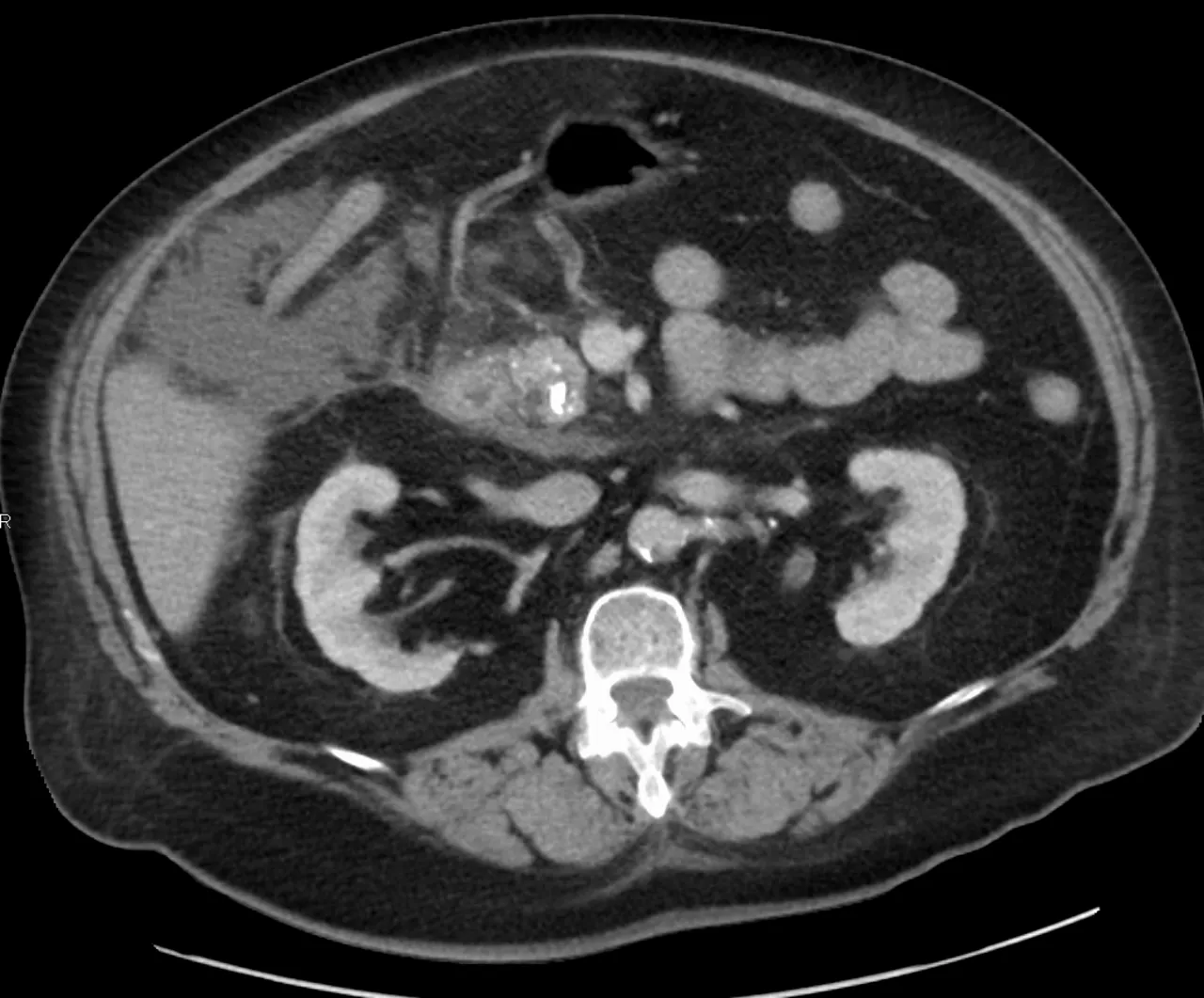
- Type 3c clues: exocrine insufficiency (low faecal elastase), pancreatic calcification, loss of glucagon and pancreatic polypeptide, brittle control with hypoglycaemia
- New-onset diabetes after age 50 with weight loss and no family history warrants consideration of pancreatic cancer
- Glucocorticoid (morning prednisolone) hyperglycaemia peaks in the afternoon and evening; fasting glucose may be normal
- Immune checkpoint inhibitor diabetes (mainly anti-PD-1/PD-L1) causes abrupt insulin-deficient diabetes, often DKA, with very low C-peptide; usually permanent
- Post-transplant diabetes (PTDM) is diagnosed once stable on maintenance immunosuppression; tacrolimus, steroids and mTOR inhibitors contribute
- Hormone excess causes diabetes by antagonising insulin: cortisol, GH, catecholamines, glucagon, thyroid hormone; somatostatin and hypokalaemia impair insulin secretion
Differential diagnosis
| Condition | Clues | Key test |
|---|---|---|
| Type 2 diabetes | Obesity, insulin resistance, family history, gradual onset | HbA1c, phenotype; no exocrine or endocrine features |
| Type 3c diabetes (chronic pancreatitis) | Alcohol, abdominal pain, steatorrhoea, weight loss | Faecal elastase, CT for calcification |
| Pancreatic ductal adenocarcinoma | New diabetes after 50 with weight loss, jaundice, back pain | Pancreatic protocol CT, CA19-9 |
| Haemochromatosis | Bronze skin, arthropathy, liver disease, hypogonadism | Transferrin saturation, ferritin, HFE genotype |
| Cushing syndrome | Proximal myopathy, bruising, striae, hypertension | 1 mg dexamethasone suppression test |
| Acromegaly | Coarse features, large hands, sweating | IGF-1, OGTT with GH |
| Glucagonoma | Necrolytic migratory erythema, weight loss, DVT, glossitis | Fasting glucagon, pancreatic imaging |
| Checkpoint inhibitor-induced diabetes | Sudden DKA during anti-PD-1 therapy | C-peptide (very low), drug history |
Exam pearls
Guideline
ADA Standards of Care in Diabetes—2026, Section 2 Diagnosis and Classification of Diabetes; International consensus on post-transplantation diabetes mellitus (2024); ASCO guideline on management of immune-related adverse events (2021 update); Endocrine Society diagnosis of Cushing syndrome (2008)
References
- American Diabetes Association Professional Practice Committee. 2. Diagnosis and classification of diabetes: Standards of Care in Diabetes—2026. Diabetes Care 2026.
- Sharif A, Chakkera H, de Vries APJ, et al.. International consensus on post-transplantation diabetes mellitus. Nephrol Dial Transplant 2024.
- Hart PA, Bellin MD, Andersen DK, et al.. Type 3c (pancreatogenic) diabetes mellitus secondary to chronic pancreatitis and pancreatic cancer. Lancet Gastroenterol Hepatol 2016.
- Schneider BJ, Naidoo J, Santomasso BD, et al.. Management of immune-related adverse events in patients treated with immune checkpoint inhibitor therapy: ASCO guideline update. J Clin Oncol 2021.
- Nieman LK, Biller BMK, Findling JW, et al.. The diagnosis of Cushing's syndrome: an Endocrine Society clinical practice guideline. J Clin Endocrinol Metab 2008.
- Melmed S, Auchus RJ, Goldfine AB, Rosen CJ, Kopp PA (eds).. Williams Textbook of Endocrinology. Elsevier 2024.
Related topics
By Dr Khalid Seidi (B.Sc., M.D.) · MedEd World Clinical Knowledge library. Original teaching content checked against current guidelines (November 2026); confirm the latest local guidance before clinical use. Not a substitute for clinical judgement.