Clinical Knowledge › Internal medicine › Endocrinology › Diabetes mellitus
Type 1 diabetes mellitus
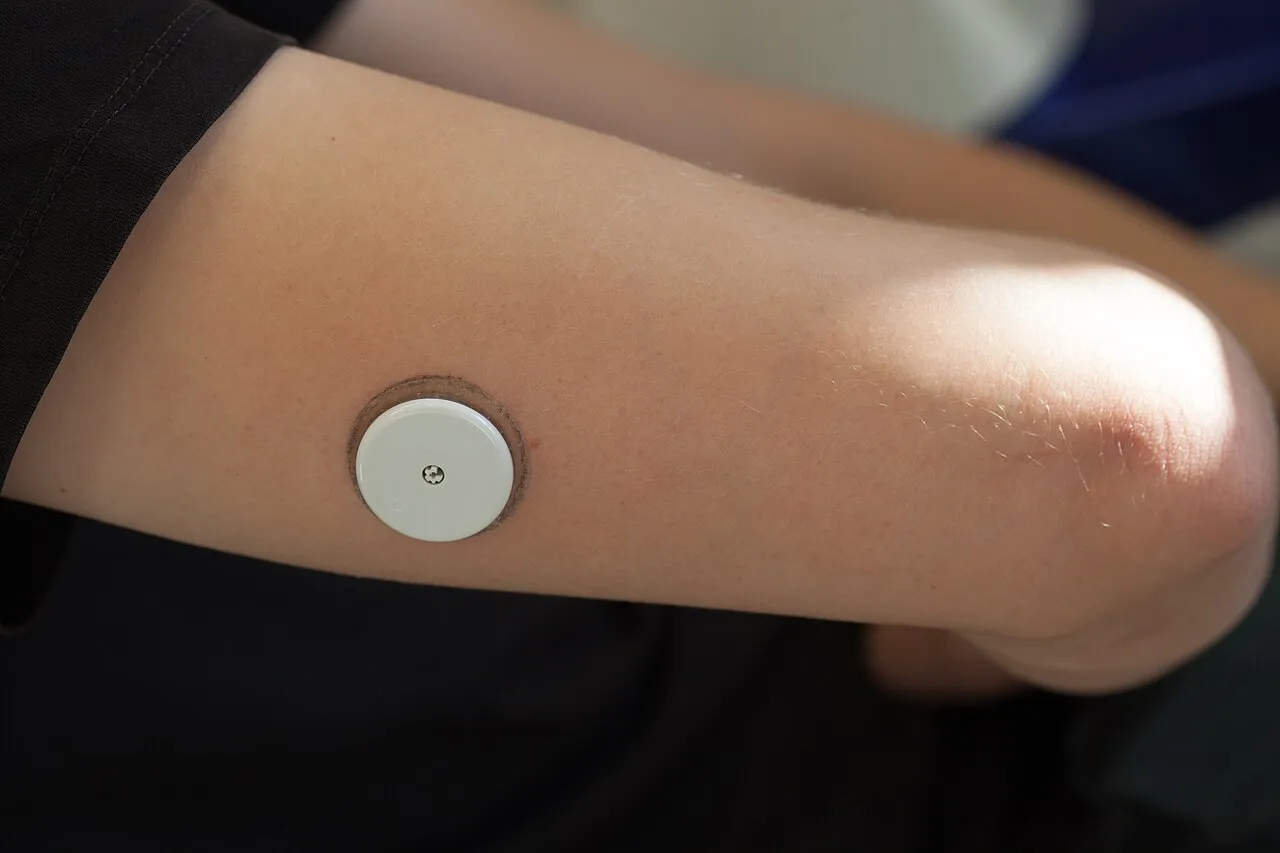
Type 1 diabetes is a chronic autoimmune disease in which T cells destroy the insulin-producing beta cells of the pancreatic islets, leading to absolute insulin deficiency and lifelong dependence on insulin. It can start at any age, including as slowly progressive latent autoimmune diabetes in adults. The disease is now staged: stage 1 is two or more islet autoantibodies with normal glucose, stage 2 adds dysglycaemia, and stage 3 is clinical diabetes with polyuria, thirst, weight loss and often diabetic ketoacidosis. Diagnosis rests on standard glucose or HbA1c criteria, supported by islet autoantibodies (GAD, IA-2, ZnT8, insulin) and a low C-peptide. Treatment is physiological insulin replacement with a basal-bolus regimen or pump, carbohydrate counting, structured education and continuous glucose monitoring, increasingly delivered through automated (hybrid closed-loop) insulin delivery. Good control, shown by the DCCT, prevents microvascular complications; hypoglycaemia and ketoacidosis are the main acute dangers. Teplizumab can delay progression from stage 2 to stage 3.
Patient case, mechanism, investigations, management, flashcards and exam-style questions.Open the lesson →
Key facts
- Autoimmune destruction of beta cells causes absolute insulin deficiency; patients need insulin from diagnosis and will develop ketoacidosis without it
- Stages: 1 = at least 2 autoantibodies with normoglycaemia; 2 = autoantibodies plus dysglycaemia; 3 = symptomatic clinical diabetes
- Diagnostic thresholds: fasting glucose 7.0 mmol/L (126 mg/dL) or more, 2-hour OGTT or random glucose with symptoms 11.1 mmol/L (200 mg/dL) or more, HbA1c 48 mmol/mol (6.5%) or more
- Supportive tests: GAD65, IA-2, ZnT8 and insulin autoantibodies; low or undetectable C-peptide; HLA DR3-DQ2 and DR4-DQ8 carry most genetic risk
- Basal-bolus insulin (long-acting basal plus rapid-acting analogue with meals) or pump therapy, with carbohydrate counting; total daily dose often about 0.5 units/kg/day
- Targets: HbA1c 48–53 mmol/mol (6.5–7.0%) or lower if safe; CGM time in range (3.9–10.0 mmol/L) above 70%, time below 3.9 mmol/L under 4%
- Never stop basal insulin, even when not eating; check blood ketones when glucose is above 14 mmol/L (250 mg/dL) or when unwell
- Screen yearly for retinopathy, nephropathy (from 5 years after diagnosis), neuropathy and feet, and for autoimmune thyroid disease and coeliac disease
Differential diagnosis
| Condition | Clues | Key test |
|---|---|---|
| Type 2 diabetes | Older, overweight, family history, acanthosis nigricans, insidious onset | Negative autoantibodies; preserved C-peptide |
| Latent autoimmune diabetes in adults (LADA) | Adult, often slim, initially controlled with tablets then fails within months to years | GAD antibodies positive; falling C-peptide |
| Maturity-onset diabetes of the young (MODY) | Mild hyperglycaemia, strong autosomal dominant family history, no ketosis, detectable C-peptide years later | Negative antibodies; genetic testing (HNF1A, HNF4A, GCK) |
| Ketosis-prone type 2 diabetes | DKA at presentation in an obese adult, often of African or Hispanic origin, later off insulin | Antibody negative; C-peptide recovers |
| Pancreatic (type 3c) diabetes | Chronic pancreatitis, alcohol, steatorrhoea, cystic fibrosis, haemochromatosis | Faecal elastase, CT pancreas, ferritin |
| Drug-induced diabetes | Glucocorticoids or immune checkpoint inhibitors (rapid-onset insulin-deficient diabetes) | Drug history; checkpoint inhibitor diabetes has very low C-peptide |
| Diabetes insipidus | Polyuria and thirst but normal glucose | Plasma glucose normal; dilute urine; see DIS-0359 |
Exam pearls
Guideline
ADA Standards of Care in Diabetes—2026; ADA/EASD consensus on type 1 diabetes in adults (2021); NICE NG17 (updated) with NICE TA943 hybrid closed loop (2023); ISPAD Clinical Practice Consensus Guidelines 2024
References
- American Diabetes Association Professional Practice Committee. Standards of Care in Diabetes—2026. Diabetes Care 2026.
- Holt RIG, DeVries JH, Hess-Fischl A, et al.. The management of type 1 diabetes in adults. A consensus report by the American Diabetes Association (ADA) and the European Association for the Study of Diabetes (EASD). Diabetes Care 2021.
- National Institute for Health and Care Excellence. Type 1 diabetes in adults: diagnosis and management (NG17). NICE guideline NG17 2015.
- International Society for Pediatric and Adolescent Diabetes. ISPAD Clinical Practice Consensus Guidelines 2024. Horm Res Paediatr 2024.
- Insel RA, Dunne JL, Atkinson MA, et al.. Staging presymptomatic type 1 diabetes: a scientific statement of JDRF, the Endocrine Society, and the American Diabetes Association. Diabetes Care 2015.
- The Diabetes Control and Complications Trial Research Group. The effect of intensive treatment of diabetes on the development and progression of long-term complications in insulin-dependent diabetes mellitus. N Engl J Med 1993.
Related topics
By Dr Khalid Seidi (B.Sc., M.D.) · MedEd World Clinical Knowledge library. Original teaching content checked against current guidelines (November 2026); confirm the latest local guidance before clinical use. Not a substitute for clinical judgement.