Clinical Knowledge › Urology › Bladder, prostate and continence disorders
Nocturia and nocturnal polyuria
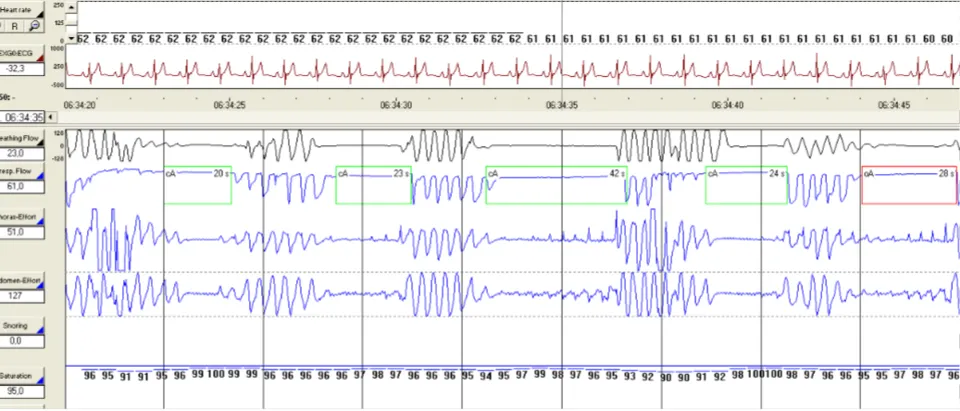
Nocturia is waking at night to pass urine, with each void preceded and followed by sleep or the intention to sleep; two or more voids a night are usually bothersome and are linked to poor sleep, falls, fractures and higher mortality. It is a symptom, not a diagnosis, and has three main mechanisms that a 3-day frequency–volume chart separates: nocturnal polyuria (night-time urine more than about a third of the 24-hour output in older adults), 24-hour polyuria (more than 40 mL/kg/day, e.g. diabetes) and reduced bladder capacity (overactive bladder, prostatic obstruction with residual urine, bladder pain). Sleep disorders, especially obstructive sleep apnoea, and evening fluid, caffeine and alcohol often contribute. Causes of nocturnal polyuria include age-related loss of the nocturnal vasopressin rise, heart failure, peripheral oedema, chronic kidney disease and sleep apnoea. Treatment targets the cause: lifestyle measures, leg elevation, timing of diuretics, CPAP, bladder or prostate treatment and, in selected patients, low-dose desmopressin with careful sodium monitoring.
Patient case, mechanism, investigations, management, flashcards and exam-style questions.Open the lesson →
Key facts
- ICS: nocturia = waking to pass urine during the main sleep period, each void followed by sleep or intention to sleep; the first morning void is not counted
- Nocturnal polyuria: nocturnal urine volume above 33% of 24-hour output in older adults (above about 20% in young adults)
- 24-hour (global) polyuria: more than 40 mL/kg body weight per 24 hours; check glucose, calcium and for diabetes insipidus
- A 3-day frequency–volume chart recording bedtime and waking time is the key investigation
- Common causes of nocturnal polyuria: ageing (loss of nocturnal vasopressin rise), heart failure, oedema (venous disease, calcium-channel blockers), CKD, obstructive sleep apnoea, evening fluids and alcohol
- Obstructive sleep apnoea raises atrial natriuretic peptide and causes nocturia; CPAP reduces night-time voids
- Desmopressin reduces night-time urine production but causes hyponatraemia, especially aged 65 or over: check sodium at baseline, within 3–7 days and at 1 month; stop if below 130 mmol/L
- Late-afternoon loop diuretic (about 6 hours before bed) can shift fluid excretion out of the night in nocturnal polyuria with oedema
Differential diagnosis
| Condition | Clues | Key test |
|---|---|---|
| Nocturnal polyuria (age-related or oedema) | Large night volumes, normal daytime voids | Frequency–volume chart: night volume >33% of 24 h |
| Diabetes mellitus | Thirst, weight loss, large volumes day and night | Capillary glucose, HbA1c |
| Diabetes insipidus | Large dilute volumes day and night, thirst | Serum sodium, osmolality, water deprivation test |
| Overactive bladder | Urgency, small frequent voids day and night | Diary showing small voided volumes |
| Benign prostatic obstruction | Weak stream, residual urine | PVR, flow rate, DRE |
| Obstructive sleep apnoea | Snoring, witnessed apnoeas, daytime sleepiness | STOP-BANG; sleep study |
| Heart failure | Breathlessness, orthopnoea, oedema | NT-proBNP, echocardiogram |
| Primary insomnia | Wakes first, then voids because awake | Sleep history; small night volumes |
Exam pearls
Guideline
ICS terminology report on nocturia (2019) and ICS consensus on diagnosis and treatment of nocturia (2019); EAU Guidelines on non-neurogenic male LUTS (2026 edition); NICE CG97 Lower urinary tract symptoms in men (2010, updated 2015)
References
- Hashim H, Blanker MH, Drake MJ, et al.. International Continence Society (ICS) report on the terminology for nocturia and nocturnal lower urinary tract function. Neurourol Urodyn 2019.
- Everaert K, Hervé F, Bosch R, et al.. International Continence Society consensus on the diagnosis and treatment of nocturia. Neurourol Urodyn 2019.
- Hashim H, Drake MJ. Basic concepts in nocturia, based on international continence society standards in nocturnal lower urinary tract function. Neurourol Urodyn 2018.
- National Institute for Health and Care Excellence. Lower urinary tract symptoms in men: management (CG97). NICE, London 2010.
- European Association of Urology. EAU Guidelines on the management of non-neurogenic male lower urinary tract symptoms (LUTS), incl. benign prostatic obstruction. EAU Guidelines Office, Arnhem 2026.
- Weiss JP, van der Meulen EA, Juul KV. Low-dose desmopressin orally disintegrating tablet: suggested clinically meaningful benefit in patients with nocturia due to nocturnal polyuria. Eur Urol Focus 2020.
Related topics
By Dr Khalid Seidi (B.Sc., M.D.) · MedEd World Clinical Knowledge library. Original teaching content checked against current guidelines (November 2026); confirm the latest local guidance before clinical use. Not a substitute for clinical judgement.