Clinical Knowledge › Internal medicine › Endocrinology › Endocrine tumours and polyglandular syndromes
Non-insulinoma and factitious hypoglycaemia
Most hypoglycaemia in people without diabetes is not caused by an insulinoma. Factitious hypoglycaemia results from secret, accidental or malicious use of insulin or insulin secretagogues: injected insulin gives high insulin with suppressed C-peptide and proinsulin, whereas sulfonylureas and meglitinides mimic insulinoma and are detected only by a drug screen. Other insulin-mediated causes include post-bariatric hypoglycaemia 1–3 hours after meals, non-insulinoma pancreatogenous hypoglycaemia, and autoimmune hypoglycaemia from insulin autoantibodies (Hirata disease, often triggered by sulfhydryl drugs such as methimazole, alpha-lipoic acid or clopidogrel) or insulin-receptor antibodies. Non-islet cell tumour hypoglycaemia is driven by tumour-derived 'big' IGF-2, with low insulin, C-peptide and ketones. Non-insulin causes include alcohol, sepsis, liver, kidney or heart failure, starvation, adrenal insufficiency and drugs such as quinine and pentamidine. Treatment is immediate glucose, removal of the cause and, for factitious cases, compassionate psychiatric care or safeguarding.
Patient case, mechanism, investigations, management, flashcards and exam-style questions.Open the lesson →
Key facts
- Exogenous insulin: high insulin, low C-peptide and proinsulin, insulin:C-peptide molar ratio above 1; some analogues are missed by insulin immunoassays
- Sulfonylurea or meglitinide ingestion: high insulin, C-peptide and proinsulin – identical to insulinoma; plasma drug screen distinguishes
- Post-bariatric hypoglycaemia: neuroglycopenia 1–3 h after meals, usually 1 or more years after gastric bypass; diagnose with a mixed-meal test, not OGTT
- Insulin autoimmune syndrome (Hirata): very high insulin, positive insulin autoantibodies, often after methimazole, alpha-lipoic acid or clopidogrel; usually self-limiting
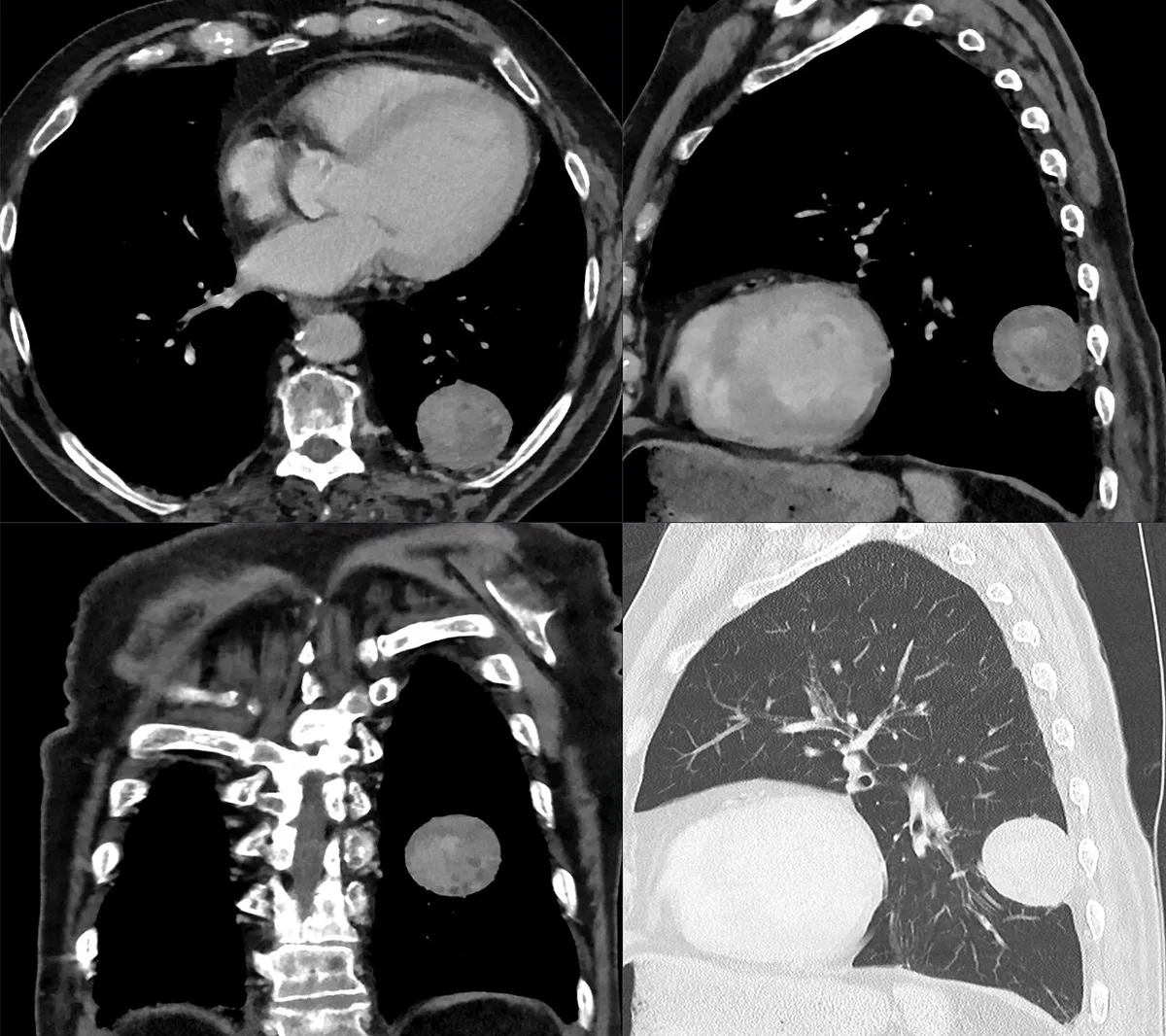
- Non-islet cell tumour hypoglycaemia: large mesenchymal tumour or HCC secreting big IGF-2; low insulin, C-peptide, ketones and IGF-1; IGF-2:IGF-1 ratio above 10
- Alcohol inhibits gluconeogenesis: hypoglycaemia after binge drinking with poor intake; give thiamine with glucose in malnourished patients
- Adrenal insufficiency, sepsis, liver failure, kidney failure and starvation cause non-insulin-mediated hypoglycaemia with high ketones (except in liver failure)
- Pseudohypoglycaemia (in vitro glycolysis) occurs with delayed sample processing or very high white cell, red cell or platelet counts
Differential diagnosis
| Condition | Clues | Key test |
|---|---|---|
| Insulinoma | Fasting hypoglycaemia with high insulin, C-peptide and proinsulin; negative drug screen | Supervised fast; EUS or GLP-1 receptor PET |
| Early dumping syndrome | Vasomotor symptoms within 30 minutes of eating after gastric surgery, normal glucose | Symptom timing; glucose during symptoms |
| Idiopathic postprandial syndrome | Adrenergic symptoms after meals without documented low glucose | CGM or glucose during symptoms (normal) |
| Pseudohypoglycaemia | Low lab glucose in an asymptomatic patient with leukocytosis or delayed sample | Repeat in fluoride tube processed promptly |
| Seizure disorder | Recurrent altered consciousness unrelated to meals | EEG, glucose during attack |
| Hypoglycaemia in unrecognised diabetes treatment | Relative with diabetes medicines, dispensing error | Medication history, pharmacy check, drug screen |
Exam pearls
Guideline
Endocrine Society Clinical Practice Guideline: evaluation and management of adult hypoglycaemic disorders (2009, current), with contemporary reviews of non-islet cell tumour hypoglycaemia (2014), insulin autoimmune syndrome (2023) and post-bariatric hypoglycaemia (2025)
References
- Cryer PE, Axelrod L, Grossman AB, et al.. Evaluation and management of adult hypoglycemic disorders: an Endocrine Society clinical practice guideline. J Clin Endocrinol Metab 2009.
- Bodnar TW, Acevedo MJ, Pietropaolo M. Management of non-islet-cell tumor hypoglycemia: a clinical review. J Clin Endocrinol Metab 2014.
- Lawler HM, McGinnis T, Patti ME. Diagnosis and management of post-bariatric hypoglycemia. J Am Board Fam Med 2025.
- Lin M, Chen Y, Ning J. Insulin autoimmune syndrome: a systematic review. Int J Endocrinol 2023.
- Chen S, Qiang J, Zhao B, et al.. Clopidogrel as a distinctive cause of insulin autoimmune syndrome: a systematic case review. Diabetes Metab Syndr Obes 2023.
- Penman ID, Ralston SH, Strachan MWJ, Hobson RP, eds.. Davidson's Principles and Practice of Medicine. 2023.
Related topics
By Dr Khalid Seidi (B.Sc., M.D.) · MedEd World Clinical Knowledge library. Original teaching content checked against current guidelines (November 2026); confirm the latest local guidance before clinical use. Not a substitute for clinical judgement.