Clinical Knowledge › Internal medicine › Gastroenterology and hepatology › Diseases of the oesophagus
Oesophageal varices
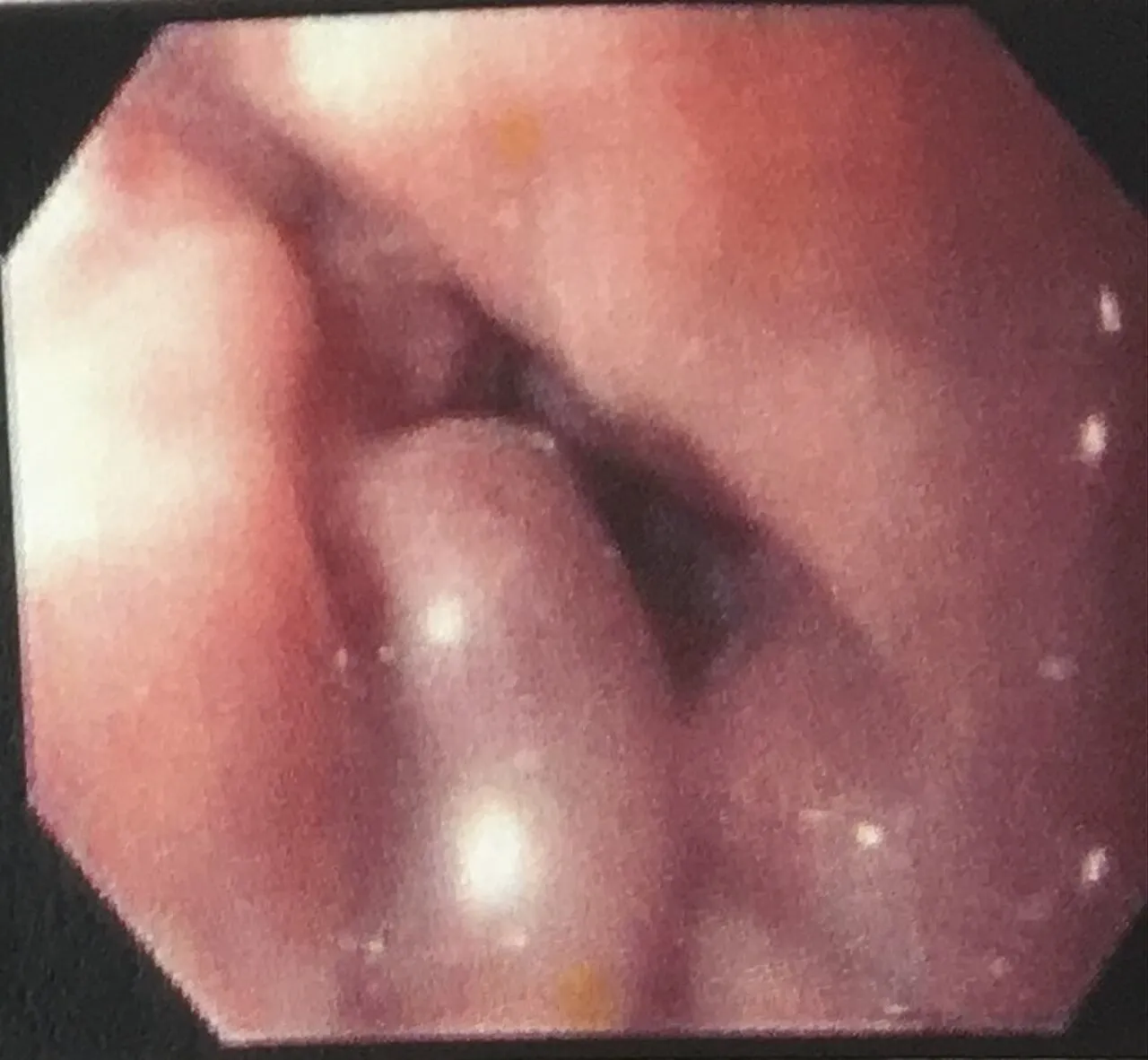
Oesophageal varices are dilated submucosal veins in the lower oesophagus that open up as portosystemic collaterals when portal pressure rises, most often because of cirrhosis. They cause no symptoms until they rupture, and a variceal bleed is one of the most lethal emergencies in gastroenterology, with roughly one in six patients dead within six weeks. Risk depends on the portal pressure gradient (varices form at 10 mmHg or more and bleed at 12 mmHg or more), the size of the varix, red signs on its wall and the severity of liver disease. An acute bleed is managed as a bundle: cautious restrictive resuscitation, a vasoactive drug and antibiotic prophylaxis started at the door, endoscopy with band ligation within 12 hours, and pre-emptive TIPS for high-risk patients. Prevention rests on non-selective beta-blockers (carvedilol preferred) for clinically significant portal hypertension, and on beta-blocker plus band ligation after a first bleed.
Patient case, mechanism, investigations, management, flashcards and exam-style questions.Open the lesson →
Key facts
- Portal hypertension is a hepatic venous pressure gradient (HVPG) above 5 mmHg; 10 mmHg or more is clinically significant and allows varices to form, and 12 mmHg or more allows them to bleed.
- Cirrhosis causes most varices worldwide; schistosomiasis causes presinusoidal portal hypertension with well-preserved liver function in Sudan, Egypt and the Philippines.
- Liver stiffness below 20 kPa with platelets above 150 x 10^9/L makes high-risk varices unlikely, so screening endoscopy can be skipped (Baveno VI/VII).
- Start a vasoactive drug (terlipressin, octreotide or somatostatin) and antibiotic prophylaxis (ceftriaxone) as soon as a variceal bleed is suspected, before endoscopy.
- Transfuse red cells only when haemoglobin falls to about 70 g/L (7 g/dL), aiming for 70–90 g/L; over-transfusion raises portal pressure and causes rebleeding.
- Endoscopic band ligation within 12 hours is the endoscopic treatment of choice for bleeding oesophageal varices; cyanoacrylate glue is used for fundal gastric varices.
- Pre-emptive TIPS within 72 hours (ideally 24) improves survival in Child–Pugh C 10–13 or Child–Pugh B above 7 with active bleeding at endoscopy.
- After any variceal bleed, secondary prophylaxis is a non-selective beta-blocker plus repeated band ligation until the varices are eradicated.
Differential diagnosis
| Condition | Clues | Key test |
|---|---|---|
| Peptic ulcer bleeding | NSAID or aspirin use, epigastric pain, often no liver disease | Endoscopy showing ulcer with stigmata of recent haemorrhage |
| Mallory–Weiss tear | Haematemesis after repeated retching, usually self-limiting | Endoscopy: linear tear at the gastro-oesophageal junction |
| Portal hypertensive gastropathy | Chronic oozing and iron-deficiency anaemia rather than torrential bleeding | Endoscopy: snake-skin mosaic mucosa in the fundus |
| Gastric antral vascular ectasia | Older woman, chronic anaemia, may coexist with cirrhosis or systemic sclerosis | Endoscopy: red stripes radiating in the antrum |
| Oesophageal or gastric cancer bleeding | Weight loss, progressive dysphagia | Endoscopy with biopsy |
| Haemoptysis or swallowed nasopharyngeal blood | Cough, frothy blood or epistaxis; no melaena | ENT and chest examination, chest imaging |
Exam pearls
Guideline
Baveno VII consensus on portal hypertension (2022) with the ESGE variceal haemorrhage guideline (2022) and AASLD practice guidance (2024)
References
- de Franchis R, Bosch J, Garcia-Tsao G, Reiberger T, Ripoll C; Baveno VII Faculty. Baveno VII - Renewing consensus in portal hypertension. J Hepatol 2022.
- Kaplan DE, Ripoll C, Thiele M, et al.. AASLD Practice Guidance on risk stratification and management of portal hypertension and varices in cirrhosis. Hepatology 2024.
- Gralnek IM, Camus Duboc M, Garcia-Pagan JC, et al.. Endoscopic diagnosis and management of esophagogastric variceal hemorrhage: European Society of Gastrointestinal Endoscopy (ESGE) Guideline. Endoscopy 2022.
- Tripathi D, Stanley AJ, Hayes PC, et al.. U.K. guidelines on the management of variceal haemorrhage in cirrhotic patients. Gut 2015.
- European Association for the Study of the Liver. EASL Clinical Practice Guidelines for the management of patients with decompensated cirrhosis. J Hepatol 2018.
- García-Pagán JC, Caca K, Bureau C, et al.. Early use of TIPS in patients with cirrhosis and variceal bleeding. N Engl J Med 2010.
Related topics
By Dr Khalid Seidi (B.Sc., M.D.) · MedEd World Clinical Knowledge library. Original teaching content checked against current guidelines (November 2026); confirm the latest local guidance before clinical use. Not a substitute for clinical judgement.