Clinical Knowledge › Dermatology › Relevant pharmacology
Topical antimicrobials and antifungals
Topical anti-infectives deliver high drug concentrations to the skin with little systemic exposure. Antibacterials include fusidic acid and mupirocin (staphylococcal and streptococcal infection, nasal MRSA decolonisation), clindamycin (acne, always with benzoyl peroxide), metronidazole and ivermectin (rosacea) and antiseptics such as hydrogen peroxide, chlorhexidine and povidone-iodine. Topical antifungals include imidazoles (clotrimazole, miconazole, ketoconazole), the fungicidal allylamine terbinafine, polyenes (nystatin, active against Candida but not dermatophytes) and nail lacquers (amorolfine, ciclopirox). Good practice is to confirm the diagnosis (skin swab, scrapings with KOH microscopy and culture), use the narrowest agent for the shortest course (usually 5-7 days for bacterial infection), and avoid long-term topical antibiotics because of resistance and contact allergy. NICE now prefers hydrogen peroxide 1% cream for localised impetigo. Tinea capitis and most nail infections need oral therapy, and steroid-antifungal combinations should be short to avoid tinea incognito.
Patient case, mechanism, investigations, management, flashcards and exam-style questions.Open the lesson →
Key facts
- NICE NG153 (2020): localised non-bullous impetigo - hydrogen peroxide 1% cream 2-3 times daily for 5 days; if unsuitable, fusidic acid 2% three times daily for 5 days
- Mupirocin inhibits isoleucyl-tRNA synthetase; reserve for MRSA or fusidic acid resistance and nasal decolonisation (2% nasal ointment three times daily for 5 days)
- Fusidic acid inhibits elongation factor G; resistance in Staphylococcus aureus rises with widespread use
- Azoles inhibit lanosterol 14-alpha-demethylase (fungistatic); terbinafine inhibits squalene epoxidase (fungicidal) - shorter courses for tinea pedis
- Nystatin treats Candida only; it does not work on dermatophytes (tinea) or Malassezia
- Pityriasis versicolor: ketoconazole 2% shampoo applied to skin daily for 5 days
- Tinea capitis always needs oral antifungal; topicals alone fail because the fungus is inside the hair shaft
- Topical acne antibiotics (clindamycin) must be combined with benzoyl peroxide to prevent resistance
Differential diagnosis
| Condition | Clues | Key test |
|---|---|---|
| Hydrogen peroxide 1% cream | Localised non-bullous impetigo, not systemically unwell | First-line in NICE NG153; antiseptic, no resistance |
| Fusidic acid 2% cream | Localised impetigo when antiseptic unsuitable | Five-day courses only; resistance |
| Mupirocin 2% | MRSA or fusidic-resistant impetigo; nasal decolonisation | Swab first; protect from resistance |
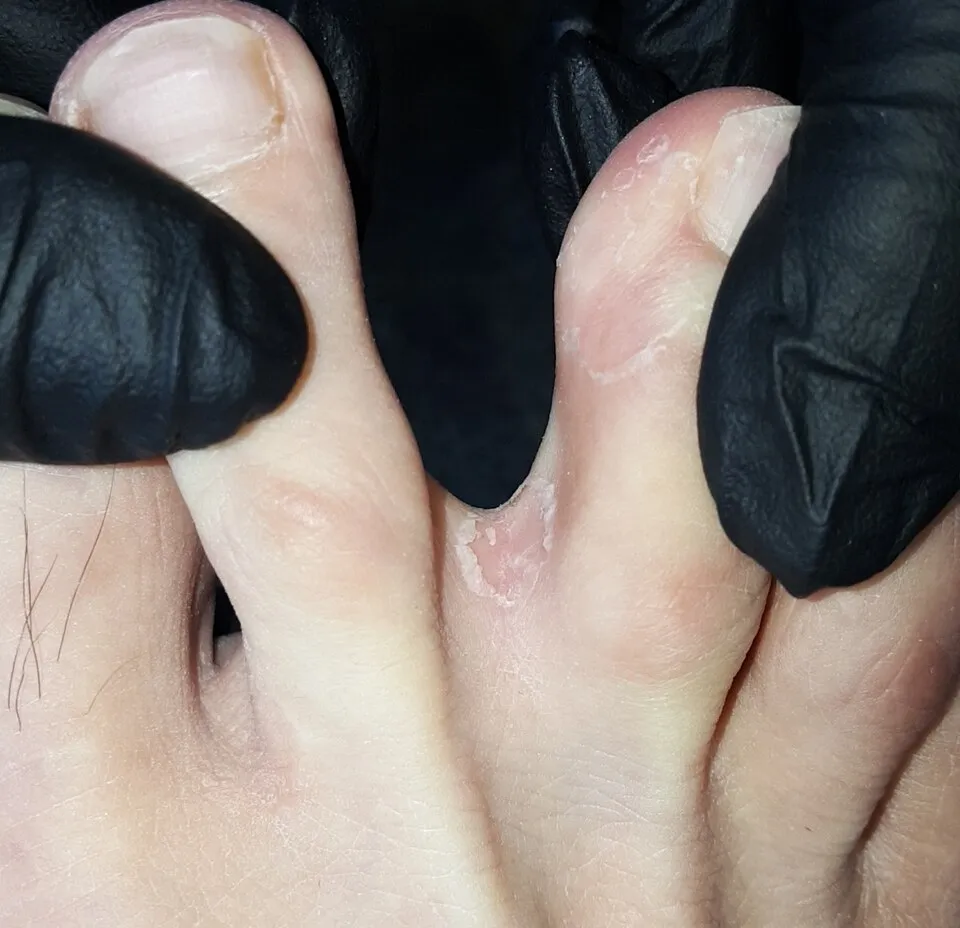
| Clotrimazole 1% or miconazole 2% | Candida intertrigo, tinea corporis, tinea pedis | Continue 1-2 weeks after clearing |
| Terbinafine 1% cream | Tinea pedis, corporis, cruris (dermatophytes) | Fungicidal; 1-2 week courses |
| Nystatin | Oral and cutaneous candidiasis, napkin candidiasis | No activity against dermatophytes |
| Amorolfine 5% nail lacquer | Limited distal onychomycosis without matrix involvement | 6-12 months; otherwise oral terbinafine |
| Ketoconazole 2% shampoo or cream | Pityriasis versicolor, seborrhoeic dermatitis | Malassezia-active azole |
Exam pearls
Guideline
NICE NG153 Impetigo: antimicrobial prescribing (2020); BAD onychomycosis guideline (2014); AAD atopic dermatitis topical therapy guideline (2023); AAD acne guideline (2024); WHO AWaRe antibiotic book (2022)
References
- National Institute for Health and Care Excellence. Impetigo: antimicrobial prescribing (NG153). NICE, London 2020.
- Koning S, van der Sande R, Verhagen AP, et al.. Interventions for impetigo. Cochrane Database Syst Rev 2012.
- Ameen M, Lear JT, Madan V, Mohd Mustapa MF, Richardson M. British Association of Dermatologists' guidelines for the management of onychomycosis 2014. Br J Dermatol 2014.
- Sidbury R, Alikhan A, Bercovitch L, et al.. Guidelines of care for the management of atopic dermatitis in adults with topical therapies. J Am Acad Dermatol 2023.
- Reynolds RV, Yeung H, Cheng CE, et al.. Guidelines of care for the management of acne vulgaris. J Am Acad Dermatol 2024.
- World Health Organization. The WHO AWaRe (Access, Watch, Reserve) antibiotic book. WHO, Geneva 2022.
Related topics
By Dr Khalid Seidi (B.Sc., M.D.) · MedEd World Clinical Knowledge library. Original teaching content checked against current guidelines (November 2026); confirm the latest local guidance before clinical use. Not a substitute for clinical judgement.