Clinical Knowledge › Internal medicine › Gastroenterology and hepatology › Diseases of the liver
Wilson disease
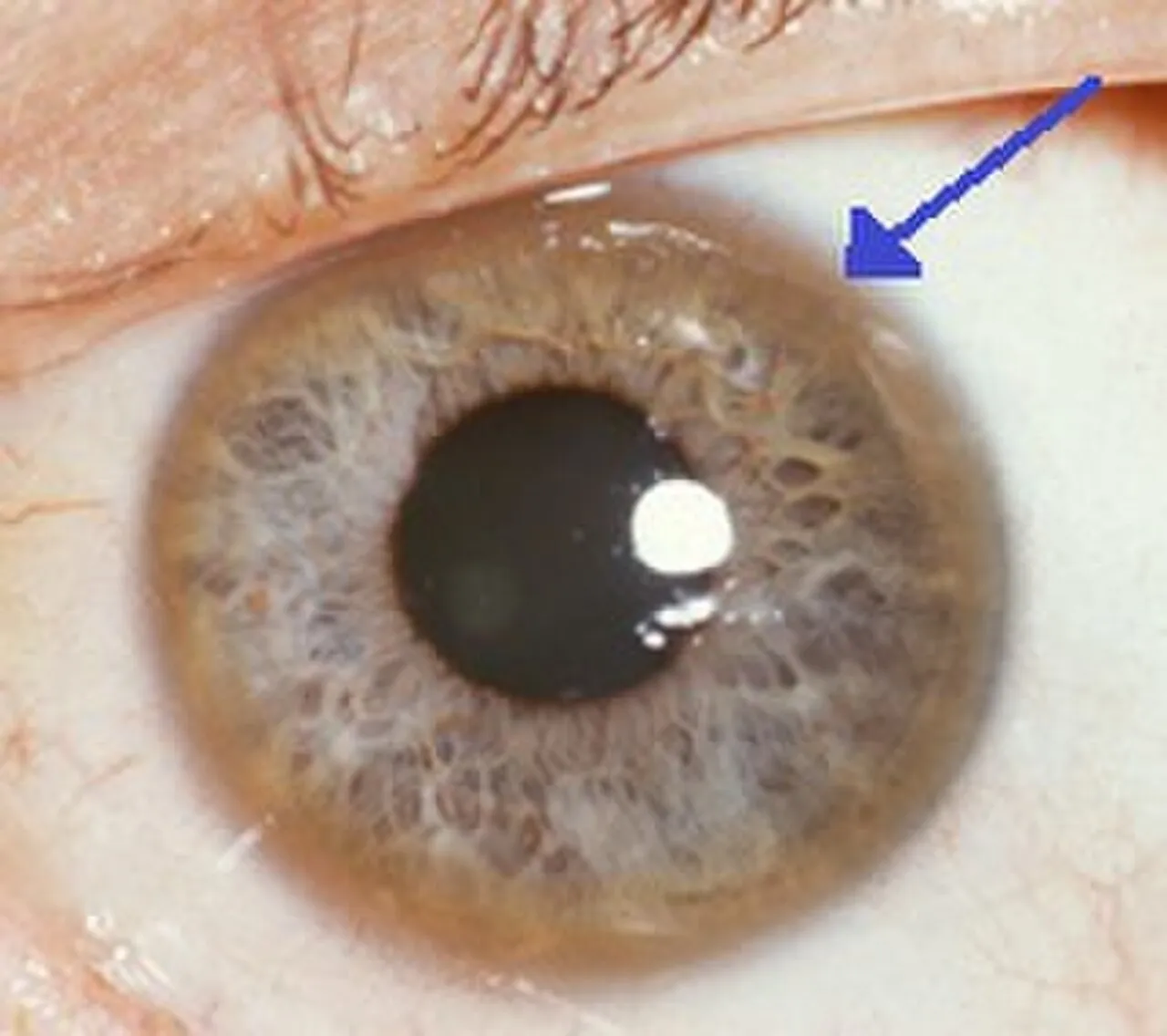
Wilson disease is an autosomal recessive disorder of copper metabolism caused by variants in ATP7B, the copper-transporting ATPase that loads copper into caeruloplasmin and excretes it into bile. Copper accumulates first in the liver and then spills into the blood as non-caeruloplasmin-bound copper, damaging the brain (especially the basal ganglia), cornea, kidneys and red cells. It usually presents between 5 and 35 years with liver disease (from raised transaminases to cirrhosis or acute liver failure with Coombs-negative haemolysis) or, in older adolescents and young adults, with tremor, dystonia, dysarthria, parkinsonism or psychiatric change. Key tests are low caeruloplasmin, raised 24-hour urinary copper, Kayser–Fleischer rings on slit-lamp examination, hepatic copper content and ATP7B genotyping, combined in the Leipzig score; EASL-ERN 2025 adds relative exchangeable copper. Lifelong chelation (penicillamine or trientine) or zinc is effective, and liver transplantation cures acute liver failure. Untreated, the disease is fatal; treated early, prognosis is excellent.
Patient case, mechanism, investigations, management, flashcards and exam-style questions.Open the lesson →
Key facts
- Autosomal recessive ATP7B variants on chromosome 13 impair biliary copper excretion and caeruloplasmin loading
- Consider Wilson disease in anyone aged roughly 3–55 years with unexplained liver disease, especially with neurological or psychiatric signs
- Low caeruloplasmin (below 0.2 g/L, strongly suggestive below 0.1 g/L) and 24-hour urinary copper above 100 µg (1.6 µmol) support the diagnosis
- Kayser–Fleischer rings are present in most neurological but only about half of hepatic presentations
- Acute liver failure with Coombs-negative haemolysis, very low ALP (ALP:bilirubin ratio below 4) and AST:ALT above 2.2 suggests fulminant Wilson disease
- The Leipzig score (4 or more) integrates clinical, biochemical, histological and genetic findings
- Treatment is lifelong: chelation with penicillamine or trientine, and zinc for maintenance or presymptomatic patients; never stop
- Fulminant Wilson disease (New Wilson Index 11 or more, or encephalopathy) needs urgent liver transplantation, which cures the defect
Differential diagnosis
| Condition | Clues | Key test |
|---|---|---|
| Autoimmune hepatitis | Raised IgG and autoantibodies; can coexist with positive ANA in Wilson disease | IgG, autoantibodies, caeruloplasmin and urinary copper, biopsy |
| Viral or drug-induced hepatitis | Exposure history; normal caeruloplasmin and copper | Viral serology, drug history |
| Acute liver failure from paracetamol | Very high transaminases, normal ALP, no haemolysis | Paracetamol level, history |
| Juvenile Parkinson disease or primary dystonia | No liver disease, no KF rings, normal copper studies | Slit-lamp, caeruloplasmin, MRI brain |
| Primary psychiatric illness | No movement disorder or liver signs | Screen copper studies in young adults with atypical psychosis plus liver tests |
| Low caeruloplasmin from other causes | Protein loss, malnutrition, heterozygous carriers, aceruloplasminaemia | Urinary copper normal; genetic testing |
| Cholestatic disease with KF-like rings | PBC or long-standing cholestasis can raise hepatic copper | Cholestatic pattern, AMA, normal or raised caeruloplasmin |
Exam pearls
Guideline
EASL-ERN Clinical Practice Guidelines on Wilson's disease (2025) and AASLD Practice Guidance on Wilson disease (2022)
References
- European Association for the Study of the Liver (EASL) / European Reference Network on Hepatological Diseases (ERN RARE-LIVER). EASL-ERN Clinical Practice Guidelines on Wilson's disease. J Hepatol 2025.
- Schilsky ML, Roberts EA, Bronstein JM, et al.. A multidisciplinary approach to the diagnosis and management of Wilson disease: 2022 Practice Guidance on Wilson disease from the American Association for the Study of Liver Diseases. Hepatology 2022.
- Ferenci P, Caca K, Loudianos G, et al.. Diagnosis and phenotypic classification of Wilson disease. Liver Int 2003.
- Dhawan A, Taylor RM, Cheeseman P, De Silva P, Katsiyiannakis L, Mieli-Vergani G.. Wilson's disease in children: 37-year experience and revised King's score for liver transplantation. Liver Transpl 2005.
- Korman JD, Volenberg I, Balko J, et al.. Screening for Wilson disease in acute liver failure: a comparison of currently available diagnostic tests. Hepatology 2008.
- Członkowska A, Litwin T, Dusek P, et al.. Wilson disease. Nat Rev Dis Primers 2018.
Related topics
By Dr Khalid Seidi (B.Sc., M.D.) · MedEd World Clinical Knowledge library. Original teaching content checked against current guidelines (November 2026); confirm the latest local guidance before clinical use. Not a substitute for clinical judgement.