Clinical Knowledge › Internal medicine › Gastroenterology and hepatology › Relevant pharmacology
Antispasmodics
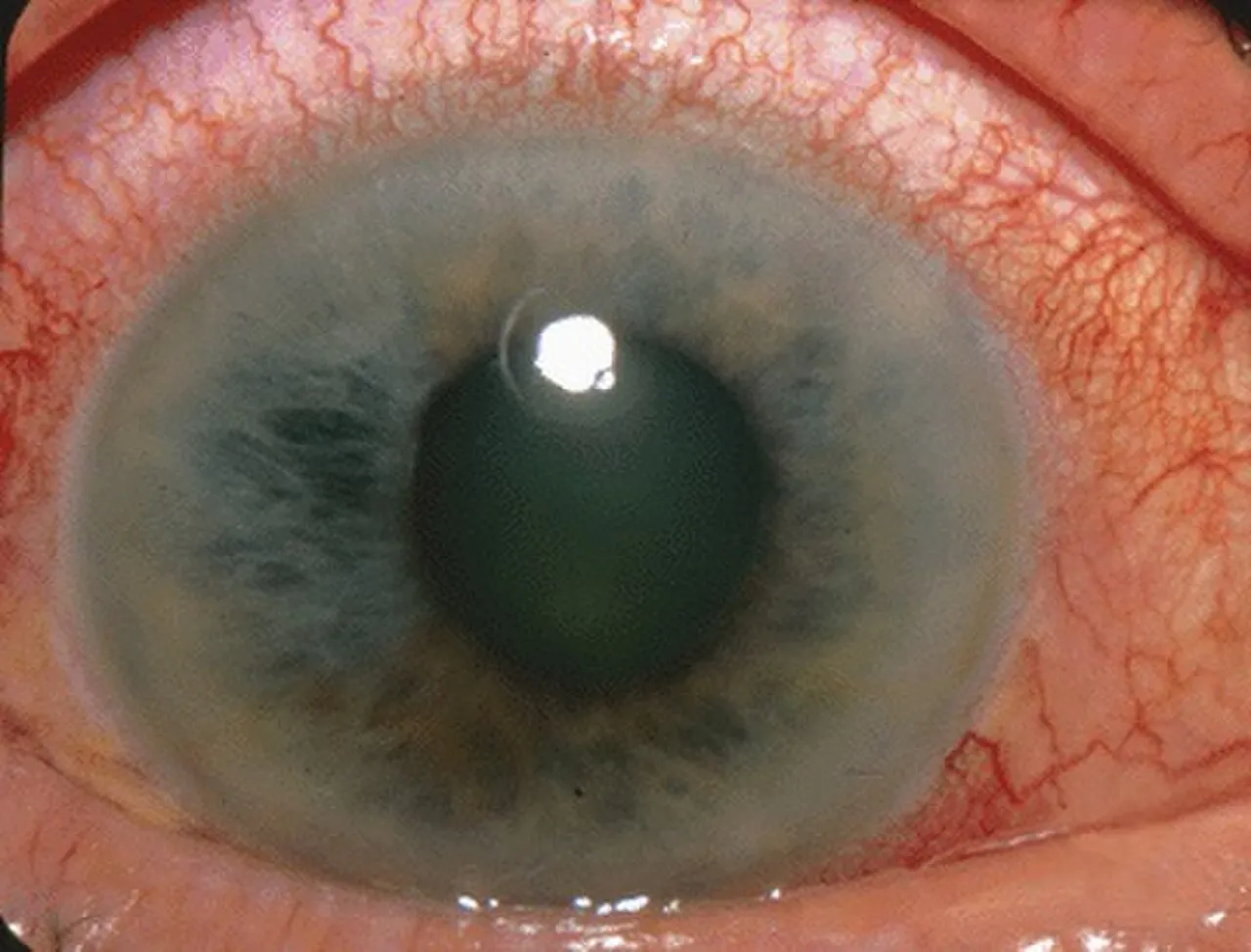
Antispasmodics relax gastrointestinal smooth muscle and are used for cramping abdominal pain, mainly in irritable bowel syndrome (IBS), and as hypotonic agents during endoscopy and imaging. There are three groups. Antimuscarinics such as hyoscine butylbromide and dicycloverine block M3 receptors on smooth muscle; hyoscine butylbromide is a quaternary amine that does not cross the blood–brain barrier and is poorly absorbed by mouth. Direct smooth-muscle relaxants such as mebeverine and alverine have few side effects. Peppermint oil and the gut-selective calcium channel blockers otilonium and pinaverium reduce calcium entry into smooth muscle cells. Evidence in IBS is modest but positive, so BSG guidance lists antispasmodics and peppermint oil among first-line drugs for pain. Antimuscarinic adverse effects (dry mouth, blurred vision, tachycardia, urinary retention, constipation, angle-closure glaucoma) guide contraindications, and injected hyoscine butylbromide can cause serious harm in patients with heart disease.
Patient case, mechanism, investigations, management, flashcards and exam-style questions.Open the lesson →
Key facts
- Antispasmodics reduce smooth-muscle contraction: antimuscarinics block M3 receptors; mebeverine and alverine act directly; peppermint oil, otilonium and pinaverium reduce calcium entry
- Hyoscine butylbromide is a quaternary amine: poor oral absorption and no central effects, unlike hyoscine hydrobromide
- Main use is abdominal pain and cramping in IBS; BSG 2021 supports antispasmodics and peppermint oil as first-line drugs for pain and global symptoms
- IV or IM hyoscine butylbromide 20 mg (or glucagon) reduces peristalsis during endoscopy, CT colonography, barium studies and MRI
- Antimuscarinic effects: dry mouth, blurred vision, tachycardia, urinary retention, constipation, confusion in older adults, angle-closure glaucoma
- Injected hyoscine butylbromide can cause tachycardia, hypotension and anaphylaxis; MHRA (2017) warned of deaths in patients with cardiac disease
- Peppermint oil capsules can cause heartburn and perianal burning; enteric coating fails if taken with antacids
- Antispasmodics are not a substitute for diagnosis: new abdominal pain with alarm features needs investigation
Differential diagnosis
| Condition | Clues | Key test |
|---|---|---|
| Hyoscine butylbromide | Quaternary antimuscarinic; no CNS effects; IV/IM for procedures | Cardiac history before injection |
| Dicycloverine (dicyclomine) | Tertiary antimuscarinic with some direct effect; CNS effects possible | Avoid in infants under 6 months |
| Mebeverine | Direct smooth-muscle relaxant; very few side effects | Taken 20 minutes before meals |
| Alverine citrate | Direct relaxant; rare hepatitis | Liver tests if jaundice |
| Peppermint oil | Menthol blocks smooth-muscle calcium channels | Heartburn; take capsules whole |
| Otilonium bromide and pinaverium | Gut-selective calcium channel blockers; minimal systemic absorption | Not available in all countries |
| Glucagon | Hypotonic agent for imaging when antimuscarinics are contraindicated | Avoid in phaeochromocytoma and insulinoma |
| Tricyclic antidepressants (low dose) | Not antispasmodics but neuromodulators for IBS pain | Second-line; start at 10 mg at night |
Exam pearls
Guideline
BSG guidelines on the management of irritable bowel syndrome (2021), ACG Clinical Guideline: Management of IBS (2021), AGA guideline on pharmacological management of IBS with diarrhoea (2022), NICE CG61 (2008, updated 2017) and Rome V criteria (2026)
References
- Vasant DH, Paine PA, Black CJ, et al.. British Society of Gastroenterology guidelines on the management of irritable bowel syndrome. Gut 2021.
- Lacy BE, Pimentel M, Brenner DM, et al.. ACG Clinical Guideline: Management of Irritable Bowel Syndrome. Am J Gastroenterol 2021.
- Lembo A, Sultan S, Chang L, et al.. AGA clinical practice guideline on the pharmacological management of irritable bowel syndrome with diarrhea. Gastroenterology 2022.
- National Institute for Health and Care Excellence (NICE). Irritable bowel syndrome in adults: diagnosis and management (clinical guideline CG61). 2008.
- Corsetti M, Shin A, Lacy BE, et al.. Bowel disorders (Rome V). Gastroenterology 2026.
- Medicines and Healthcare products Regulatory Agency (MHRA). Hyoscine butylbromide (Buscopan) injection: risk of serious adverse effects in patients with underlying cardiac disease (Drug Safety Update). 2017.
Related topics
By Dr Khalid Seidi (B.Sc., M.D.) · MedEd World Clinical Knowledge library. Original teaching content checked against current guidelines (November 2026); confirm the latest local guidance before clinical use. Not a substitute for clinical judgement.