Clinical Knowledge › Internal medicine › Gastroenterology and hepatology › Relevant pharmacology
Helicobacter pylori eradication therapy
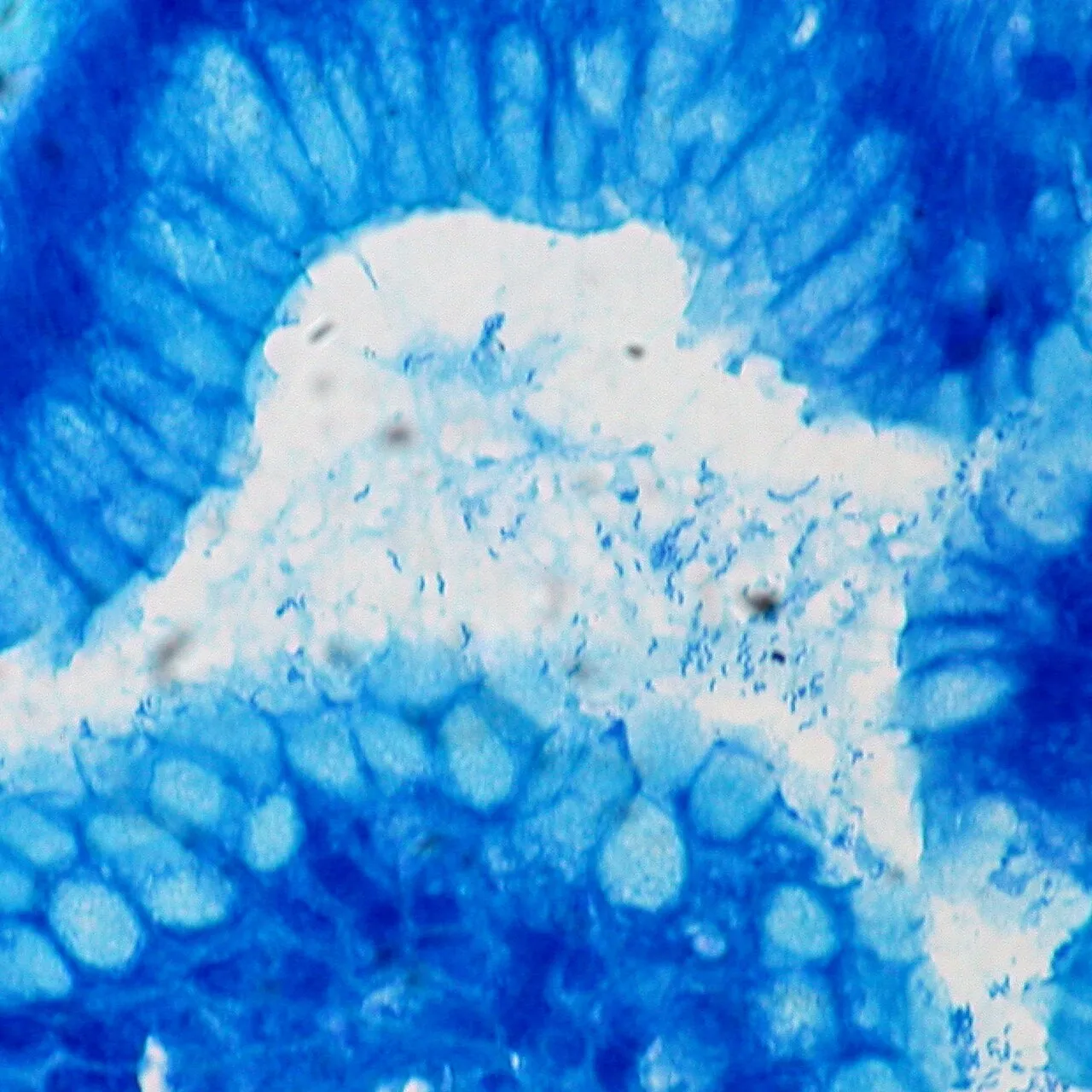
Helicobacter pylori eradication therapy combines strong acid suppression with two or three antibiotics, often with bismuth, to cure chronic gastric infection. Cure heals and prevents peptic ulcers, reduces ulcer rebleeding, can induce regression of gastric MALT lymphoma and lowers the risk of gastric cancer. Success depends mainly on antibiotic resistance: clarithromycin resistance now exceeds 15% in most regions, so empirical clarithromycin triple therapy is no longer recommended there. Current first-line choices are 14 days of bismuth quadruple therapy (PPI, bismuth, tetracycline and metronidazole), susceptibility-guided therapy, or regimens built on the potassium-competitive acid blocker vonoprazan, such as vonoprazan–amoxicillin dual therapy. Rifabutin triple and levofloxacin regimens are alternatives or rescue options. Treatment must be explained carefully, because adverse effects reduce adherence, and every treated patient needs a test of cure at least 4 weeks after antibiotics and 2 weeks off PPI.
Patient case, mechanism, investigations, management, flashcards and exam-style questions.Open the lesson →
Key facts
- Clarithromycin resistance above about 15% (or unknown) means empirical PPI–clarithromycin triple therapy should not be used
- Bismuth quadruple therapy (PPI, bismuth, tetracycline, metronidazole) for 14 days is the preferred empirical first line in most regions and in penicillin allergy
- Metronidazole resistance in vitro is common but is largely overcome by full doses and 14 days within bismuth quadruple therapy
- Amoxicillin, tetracycline and rifabutin resistance remain rare; amoxicillin needs high intragastric pH and frequent dosing to work
- Vonoprazan (a potassium-competitive acid blocker) improves amoxicillin-based regimens and was superior to lansoprazole triple therapy in PHALCON-HP
- Never repeat clarithromycin or levofloxacin after a failed regimen containing it; choose antibiotics not used before
- Test of cure with urea breath test, stool antigen or biopsy at least 4 weeks after treatment and 2 weeks off PPI; serology cannot confirm cure
- Key adverse effects: metallic taste and alcohol reaction (metronidazole), black stools (bismuth), photosensitivity and teeth staining (tetracycline), QT and CYP3A4 interactions (clarithromycin)
Differential diagnosis
| Condition | Clues | Key test |
|---|---|---|
| Bismuth quadruple therapy (14 days) | PPI, bismuth, tetracycline, metronidazole; works despite clarithromycin resistance | Preferred empirical first line; penicillin allergy |
| Clarithromycin triple therapy | PPI, amoxicillin, clarithromycin; fails with clarithromycin resistance | Only if susceptibility shown or local resistance below 15% |
| Vonoprazan–amoxicillin dual therapy (14 days) | Potent acid suppression lets amoxicillin act | Alternative first line where vonoprazan is available |
| Rifabutin triple therapy (14 days) | PPI, amoxicillin, rifabutin; little resistance | Alternative first line or rescue; orange urine, myelosuppression |
| Levofloxacin triple or quadruple | PPI, amoxicillin, levofloxacin (with or without bismuth) | Rescue only, ideally with proven susceptibility; tendon and QT risks |
| Non-bismuth concomitant quadruple | PPI, amoxicillin, clarithromycin, metronidazole together | Where bismuth unavailable and dual resistance is low |
| High-dose PPI–amoxicillin dual | PPI and amoxicillin 3–4 times daily | Option in some regions (Maastricht VI); depends on strong acid suppression |
Exam pearls
Guideline
Maastricht VI/Florence consensus (2022), ACG Clinical Guideline: Treatment of H. pylori Infection (2024) and AGA Clinical Practice Update on potassium-competitive acid blockers (2024)
References
- Malfertheiner P, Megraud F, Rokkas T, et al.. Management of Helicobacter pylori infection: the Maastricht VI/Florence consensus report. Gut 2022.
- Chey WD, Howden CW, Moss SF, Morgan DR, Greer KB, Grover S, Shah SC.. ACG Clinical Guideline: Treatment of Helicobacter pylori Infection. Am J Gastroenterol 2024.
- Patel A, Laine L, Moayyedi P, Wu J.. AGA Clinical Practice Update on Integrating Potassium-Competitive Acid Blockers Into Clinical Practice: Expert Review. Gastroenterology 2024.
- Chey WD, Mégraud F, Laine L, López LJ, Hunt BJ, Howden CW.. Vonoprazan Triple and Dual Therapy for Helicobacter pylori Infection in the United States and Europe: Randomized Clinical Trial. Gastroenterology 2022.
- Choi IJ, Kim CG, Lee JY, et al.. Family History of Gastric Cancer and Helicobacter pylori Treatment. N Engl J Med 2020.
- Hooi JKY, Lai WY, Ng WK, et al.. Global Prevalence of Helicobacter pylori Infection: Systematic Review and Meta-Analysis. Gastroenterology 2017.
Related topics
By Dr Khalid Seidi (B.Sc., M.D.) · MedEd World Clinical Knowledge library. Original teaching content checked against current guidelines (November 2026); confirm the latest local guidance before clinical use. Not a substitute for clinical judgement.