Clinical Knowledge › Internal medicine › Basics of internal medicine › Clinical assessment
Approach to the acutely unwell adult (ABCDE)
The ABCDE approach (Airway, Breathing, Circulation, Disability, Exposure) is the universal framework for assessing and treating any acutely unwell adult, whatever the cause. Its power lies in its order: problems that kill fastest (airway obstruction, then hypoxaemia, then shock) are found and treated first, and every intervention is followed by reassessment. The approach starts before touching the patient – personal safety, a quick look, calling for help early – and continues through a structured look-listen-feel examination with simple bedside tests (oxygen saturation, blood gas, ECG, capillary glucose, lactate). Common ward emergencies such as sepsis, anaphylaxis, acute asthma or COPD, pulmonary oedema, haemorrhage, hypoglycaemia and opioid toxicity are all managed within this framework. Resuscitation Council UK and the European Resuscitation Council (both 2025) embed ABCDE in the prevention of in-hospital cardiac arrest, alongside early warning scores, rapid response teams, early treatment escalation decisions and structured handover.
Patient case, mechanism, investigations, management, flashcards and exam-style questions.Open the lesson →
Key facts
- Order: Airway → Breathing → Circulation → Disability → Exposure; treat each problem as you find it before moving on
- Call for help early (rapid response team or medical emergency team); if the patient is unresponsive and not breathing normally, start CPR and call the arrest team
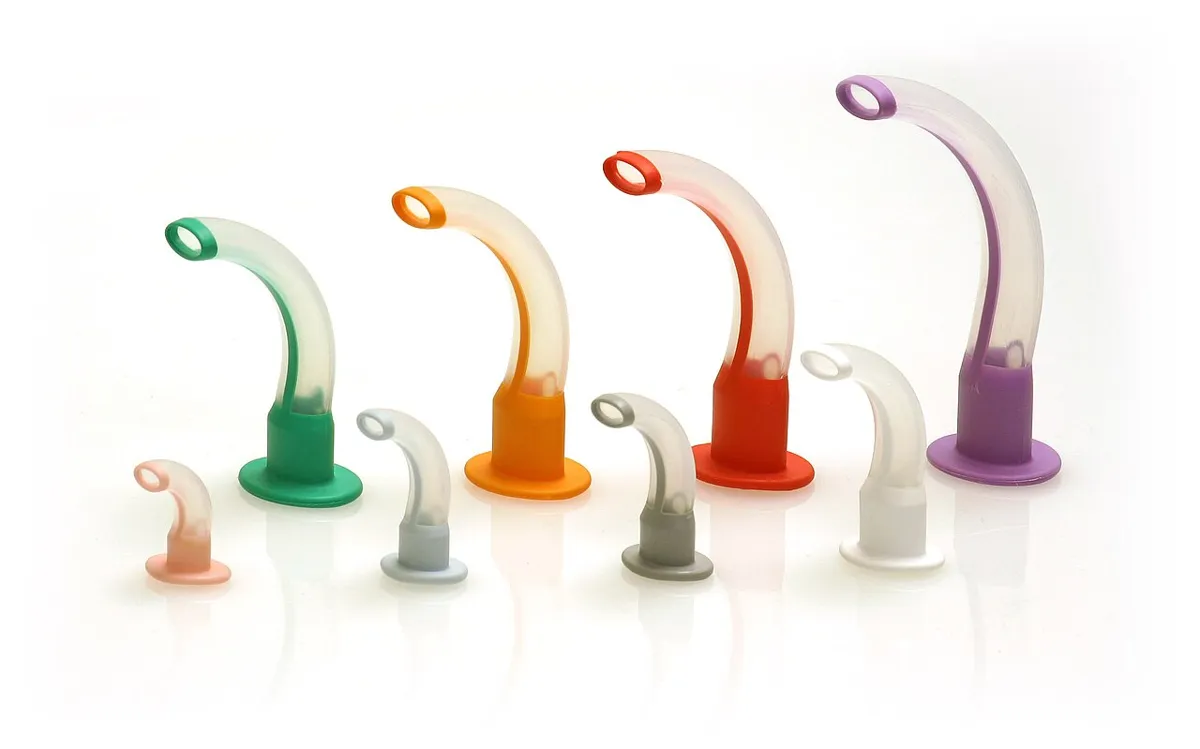
- Airway obstruction signs: snoring, gurgling, stridor, see-saw (paradoxical) chest and abdominal movement; open with head tilt–chin lift or jaw thrust and suction
- Oxygen: start high-flow (15 L/min via reservoir mask) in the critically ill, then titrate to SpO₂ 94–98% (88–92% if at risk of hypercapnic respiratory failure)
- Fluid challenge: 500 mL warmed crystalloid over less than 15 minutes (250 mL if heart failure), then reassess
- Disability: ACVPU or GCS, pupils, capillary glucose (treat if below 4.0 mmol/L), drug chart (opioids, sedatives)
- GCS of 8 or less, or P/U on ACVPU, signals an airway at risk: call an anaesthetist
- Reassess after every intervention and hand over with SBAR; agree a treatment escalation plan early
Differential diagnosis
| Condition | Clues | Key test |
|---|---|---|
| Anaphylaxis | Sudden airway swelling, wheeze, hypotension, urticaria after a trigger | Clinical diagnosis; mast-cell tryptase after treatment |
| Septic shock | Infection source, fever or hypothermia, hypotension, raised lactate | Lactate, blood cultures, NEWS2 |
| Tension pneumothorax | Severe dyspnoea, absent breath sounds, hyperresonance, tracheal deviation, hypotension | Clinical diagnosis – decompress before imaging |
| Acute pulmonary oedema | Orthopnoea, pink frothy sputum, bilateral crackles, raised JVP | Chest X-ray, ECG, NT-proBNP, echocardiography |
| Massive pulmonary embolism | Sudden collapse, hypoxaemia, raised JVP, clear chest, risk factors | Bedside echocardiography, CTPA if stable |
| Hypoglycaemia | Drowsiness, sweating, on insulin or sulfonylurea | Capillary glucose |
| Opioid toxicity | Pinpoint pupils, bradypnoea, drowsiness, recent opioid | Response to naloxone |
| Haemorrhagic shock | Haematemesis, melaena, recent surgery, tachycardia, pallor | FBC, crossmatch, lactate |
Exam pearls
Guideline
Resuscitation Council UK Resuscitation Guidelines 2025 (prevention of in-hospital cardiac arrest, adult ALS); European Resuscitation Council Guidelines 2025; RCP NEWS2 (2017); NICE NG51 Suspected sepsis (2024 update); Surviving Sepsis Campaign (2026); BTS emergency oxygen guideline (2017)
References
- Thim T, Krarup NH, Grove EL, Rohde CV, Løfgren B.. Initial assessment and treatment with the Airway, Breathing, Circulation, Disability, Exposure (ABCDE) approach. Int J Gen Med 2012.
- Resuscitation Council UK. Resuscitation Guidelines 2025: adult advanced life support and prevention of in-hospital cardiac arrest. Resuscitation Council UK, London 2025.
- European Resuscitation Council (ERC). European Resuscitation Council Guidelines 2025. Resuscitation 2025.
- Royal College of Physicians (RCP). National Early Warning Score (NEWS) 2: standardising the assessment of acute-illness severity in the NHS. RCP, London 2017.
- National Institute for Health and Care Excellence (NICE). Suspected sepsis: recognition, diagnosis and early management (NG51). NICE guideline (updated 2024) 2024.
- O'Driscoll BR, Howard LS, Earis J, Mak V.. BTS guideline for oxygen use in adults in healthcare and emergency settings. Thorax 2017.
Related topics
By Dr Khalid Seidi (B.Sc., M.D.) · MedEd World Clinical Knowledge library. Original teaching content checked against current guidelines (November 2026); confirm the latest local guidance before clinical use. Not a substitute for clinical judgement.