Clinical Knowledge › Internal medicine › Basics of internal medicine › Clinical assessment
Vital signs and early warning scores
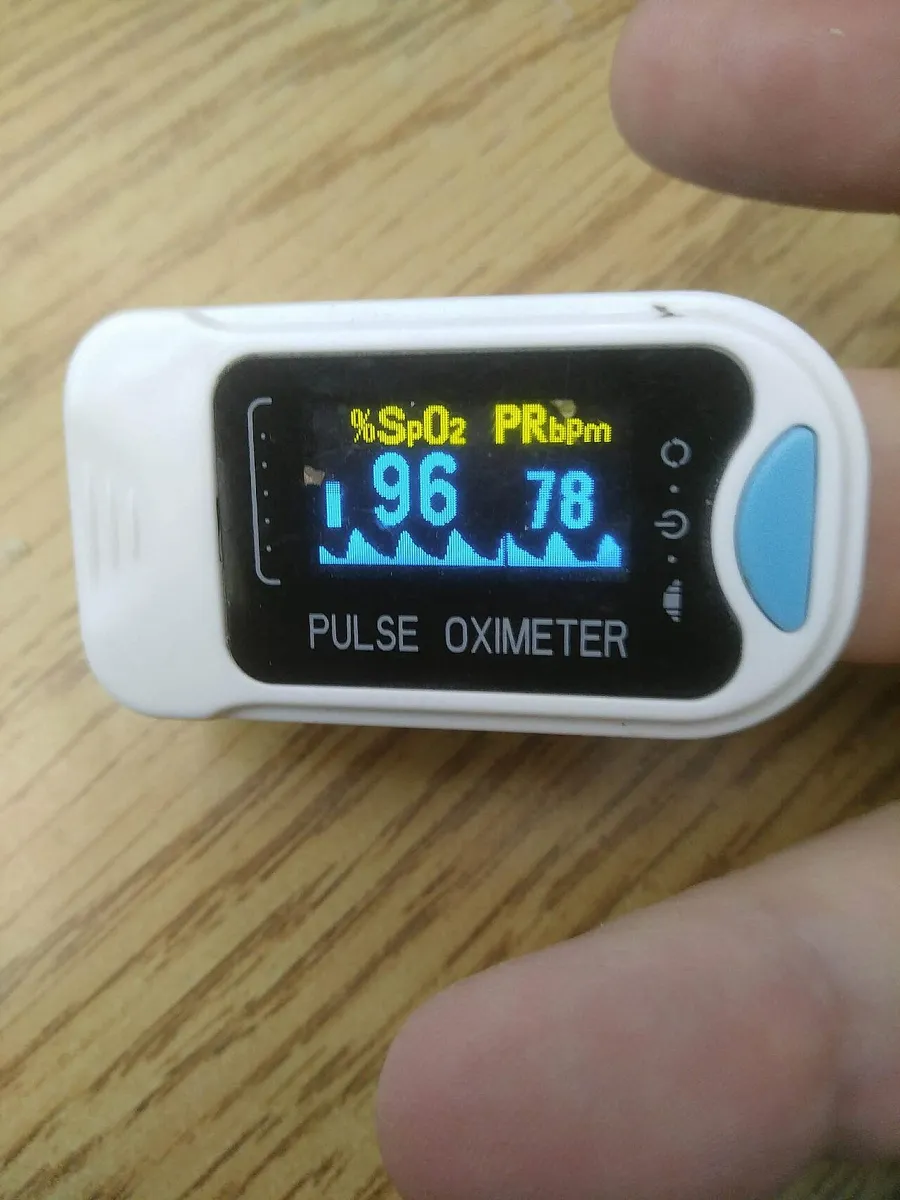
Vital signs (respiratory rate, oxygen saturation, pulse, blood pressure, temperature and level of consciousness) are the cheapest and most powerful markers of physiological stress. Most in-hospital cardiac arrests and unplanned ICU admissions are preceded by hours of abnormal observations that were recorded but not acted upon. Early warning scores aggregate these measurements into a single number that triggers a graded clinical response. In the UK and many other systems the standard is the Royal College of Physicians National Early Warning Score 2 (NEWS2, 2017): seven parameters, an aggregate of 5–6 or any single red score of 3 prompting urgent review, and 7 or more an emergency response with critical-care input. NEWS2 also underpins NICE NG51 sepsis risk stratification (2024 update). Scores support, but never replace, clinical judgement: they are not validated in pregnancy or children, they can be falsely reassuring with beta-blockade or pulse-oximeter error, and they work only when the measurements are accurate, documented, and followed by timely escalation.
Patient case, mechanism, investigations, management, flashcards and exam-style questions.Open the lesson →
Key facts
- NEWS2 parameters: respiratory rate, SpO₂ (scale 1 or 2), air or supplemental oxygen, systolic BP, pulse, consciousness (ACVPU) and temperature
- NEWS2 thresholds: 0–4 low; any single parameter scoring 3 = low–medium (urgent ward review); 5–6 = medium (urgent response, consider sepsis); ≥7 = high (emergency response, critical care)
- New confusion scores 3 in NEWS2 (ACVPU: Alert, new Confusion, Voice, Pain, Unresponsive)
- SpO₂ scale 2 (target 88–92%) is used only for patients with confirmed hypercapnic respiratory failure, documented by a senior clinician
- Respiratory rate is the most neglected yet one of the best predictors of deterioration; count it for a full 30–60 seconds
- Shock index (HR ÷ SBP) above 1 suggests significant hypovolaemia or shock even when BP looks acceptable
- Pulse oximeters overestimate SpO₂ in carbon monoxide poisoning, methaemoglobinaemia (reads about 85%) and in some patients with darker skin
- NEWS2 is not validated in pregnancy (use a maternity score) or under 16 years (use a paediatric early warning score)
Differential diagnosis
| Condition | Clues | Key test |
|---|---|---|
| Tachypnoea: sepsis | Fever or hypothermia, new confusion, hypotension | Lactate, blood cultures, NEWS2 |
| Tachypnoea: pulmonary embolism | Sudden breathlessness, pleuritic pain, hypoxaemia with clear chest | Wells score, CTPA |
| Tachypnoea: metabolic acidosis | Deep sighing (Kussmaul) breathing, ketones or AKI | Venous or arterial blood gas |
| Tachycardia: hypovolaemia or bleeding | Postural drop, melaena, cool peripheries, shock index >1 | FBC, lactate, crossmatch |
| Tachycardia: arrhythmia | Irregular pulse or sudden rate change | 12-lead ECG |
| Hypotension: drug-induced | Recent antihypertensives, opioids, sedation | Medication review, fluid challenge |
| Reduced consciousness: hypoglycaemia | Diabetes on insulin or sulfonylurea; sweaty | Capillary blood glucose immediately |
Exam pearls
Guideline
RCP National Early Warning Score 2 (2017, current); NICE CG50 Acutely ill adults in hospital (2007, surveillance 2020); NICE NG51 Suspected sepsis (2024 update); SIGN 167 Care of deteriorating patients (2023); Surviving Sepsis Campaign international guidelines (2026 update of the 2021 edition)
References
- Royal College of Physicians (RCP). National Early Warning Score (NEWS) 2: standardising the assessment of acute-illness severity in the NHS. RCP, London 2017.
- Smith GB, Prytherch DR, Meredith P, Schmidt PE, Featherstone PI.. The ability of the National Early Warning Score (NEWS) to discriminate patients at risk of early cardiac arrest, unanticipated intensive care unit admission, and death. Resuscitation 2013.
- Churpek MM, Snyder A, Han X, et al.. Quick Sepsis-related Organ Failure Assessment, Systemic Inflammatory Response Syndrome, and early warning scores for detecting clinical deterioration in infected patients outside the intensive care unit. Am J Respir Crit Care Med 2017.
- Cretikos MA, Bellomo R, Hillman K, Chen J, Finfer S, Flabouris A.. Respiratory rate: the neglected vital sign. Med J Aust 2008.
- Sjoding MW, Dickson RP, Iwashyna TJ, Gay SE, Valley TS.. Racial bias in pulse oximetry measurement. N Engl J Med 2020.
- National Institute for Health and Care Excellence (NICE). Suspected sepsis: recognition, diagnosis and early management (NG51). NICE guideline (updated 2024) 2024.
Related topics
By Dr Khalid Seidi (B.Sc., M.D.) · MedEd World Clinical Knowledge library. Original teaching content checked against current guidelines (November 2026); confirm the latest local guidance before clinical use. Not a substitute for clinical judgement.