Clinical Knowledge › Urology › Scrotal and penile conditions
Balanitis and balanoposthitis
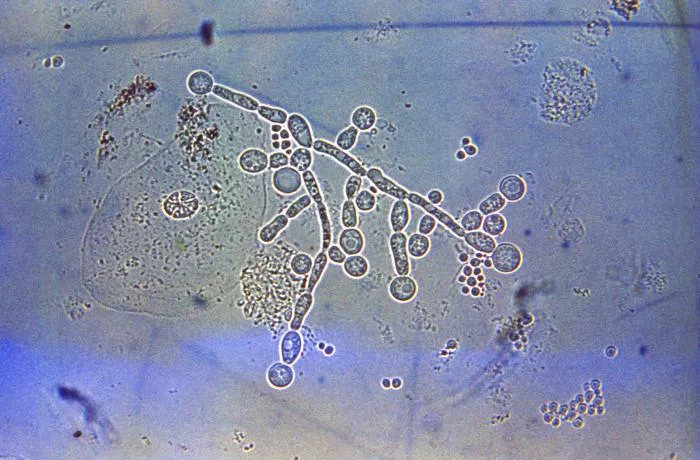
Balanitis is inflammation of the glans penis and posthitis inflammation of the prepuce; in uncircumcised men they usually coexist as balanoposthitis. It affects up to one in ten men, mostly where a tight or redundant foreskin traps moisture, smegma and organisms. Causes are infective (Candida albicans most often, anaerobes, group A streptococci, Staphylococcus aureus, herpes simplex, syphilis, trichomonas), inflammatory dermatoses (irritant dermatitis from soap or over-washing, lichen sclerosus, Zoon plasma cell balanitis, psoriasis, lichen planus, circinate balanitis of reactive arthritis, fixed drug eruption) and premalignant disease (penile intraepithelial neoplasia). Diabetes and SGLT2 inhibitors drive candidal disease. Management combines gentle hygiene with water or saline and an emollient, therapy guided by a swab, glucose testing and an STI screen, and biopsy for anything persistent, ulcerated, indurated or pigmented. Recurrent disease and lichen sclerosus are the main adult indications for circumcision.
Patient case, mechanism, investigations, management, flashcards and exam-style questions.Open the lesson →
Key facts
- Balanitis = glans; posthitis = prepuce; balanoposthitis = both, almost always in uncircumcised men
- Candida albicans is the commonest infective cause; recurrent candidal balanitis should prompt a check for diabetes (glucose, HbA1c)
- SGLT2 inhibitors (dapagliflozin, empagliflozin) cause glycosuria and markedly increase genital candidal infection
- Irritant dermatitis from soap, antiseptics or over-washing is a common non-infective cause: wash with water or saline and use an emollient
- Teaching dose: clotrimazole 1% cream two to three times daily until 2 weeks after symptoms settle; fluconazole 150 mg orally once if severe (check local formulary)
- Lichen sclerosus (balanitis xerotica obliterans) causes white sclerotic plaques, scarring phimosis and meatal stenosis; treat with clobetasol propionate 0.05% ointment
- Biopsy any lesion that persists despite treatment, is ulcerated, indurated, pigmented or bleeding: penile intraepithelial neoplasia and squamous cell carcinoma must be excluded
- Recurrent balanoposthitis and lichen sclerosus unresponsive to steroid are the main adult indications for circumcision
Differential diagnosis
| Condition | Clues | Key test |
|---|---|---|
| Candidal balanitis | Itchy red glans with satellite papules or white curd; diabetes, SGLT2 inhibitor, antibiotics | Swab for Candida; glucose/HbA1c |
| Anaerobic balanitis | Offensive discharge, oedematous prepuce, fishy odour | Swab culture; responds to metronidazole |
| Streptococcal (group A) balanitis | Acute painful, very red glans, may have fever; child contact with sore throat | Bacterial swab culture |
| Lichen sclerosus | White ivory sclerotic plaques, purpura, tight foreskin, meatal narrowing | Clinical; biopsy if atypical |
| Zoon plasma cell balanitis | Older uncircumcised man, well-defined glistening orange-red patch | Biopsy: dense plasma cell infiltrate |
| Circinate balanitis (reactive arthritis) | Painless serpiginous plaques with urethritis, conjunctivitis, arthritis | Chlamydia NAAT; HLA-B27 |
| Fixed drug eruption | Recurrent well-demarcated dusky plaque at the same site after a drug | Drug history; resolves on withdrawal |
| Penile intraepithelial neoplasia / squamous cell carcinoma | Persistent velvety red plaque, ulcer or mass not responding to treatment | Biopsy |
Exam pearls
Guideline
2022 European (IUSTI) guideline for the management of balanoposthitis (published 2023), BAD lichen sclerosus guideline 2018 and EAU-ASCO penile cancer guideline 2023
References
- Edwards SK, Bunker CB, van der Snoek EM, van der Meijden WI. 2022 European guideline for the management of balanoposthitis. J Eur Acad Dermatol Venereol 2023.
- Lewis FM, Tatnall FM, Velangi SS, et al.. British Association of Dermatologists guidelines for the management of lichen sclerosus, 2018. Br J Dermatol 2018.
- National Institute for Health and Care Excellence. Clinical Knowledge Summaries: Balanitis. NICE CKS, London 2023.
- Brouwer OR, Rumble RB, Ayres B, et al.. Penile Cancer: EAU-ASCO Collaborative Guidelines Update Q and A. JCO Oncol Pract 2024.
- Papadakis MA, Rabow MW, McQuaid KR, eds.. CURRENT Medical Diagnosis & Treatment 2026. McGraw Hill 2026.
- European Association of Urology. EAU Guidelines on Sexual and Reproductive Health (2026 edition). EAU Guidelines Office, Arnhem 2026.
Related topics
By Dr Khalid Seidi (B.Sc., M.D.) · MedEd World Clinical Knowledge library. Original teaching content checked against current guidelines (November 2026); confirm the latest local guidance before clinical use. Not a substitute for clinical judgement.