Clinical Knowledge › Urology › Scrotal and penile conditions
Priapism
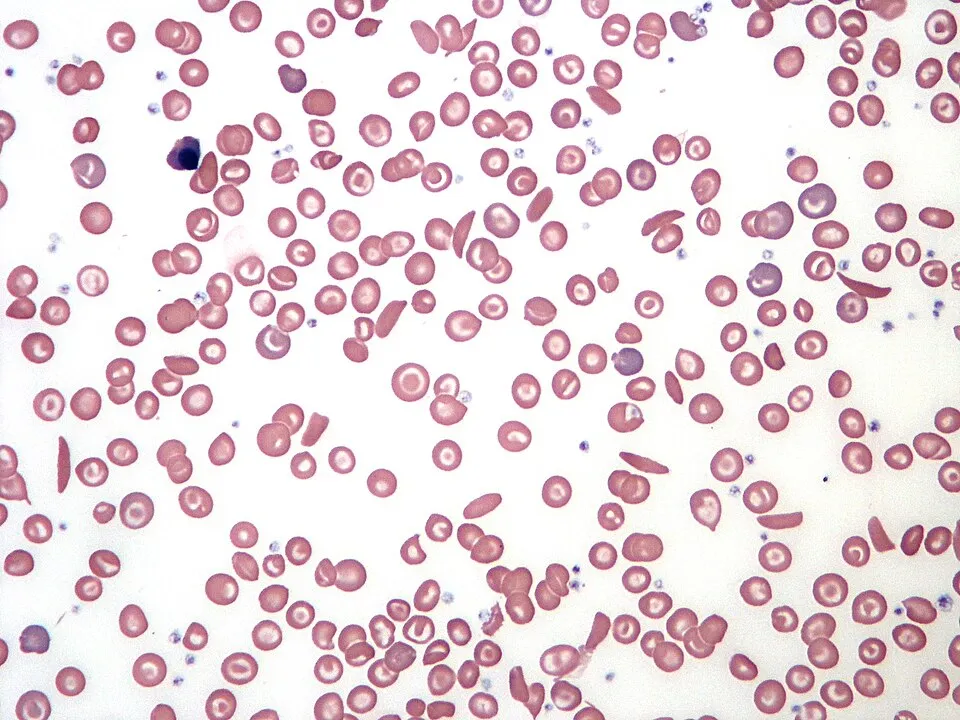
Priapism is a full or partial erection that lasts more than 4 hours beyond, or is unrelated to, sexual stimulation. Ischaemic (low-flow, veno-occlusive) priapism is the common type: the corpora cavernosa are rigid and painful, cavernosal blood is dark, hypoxic and acidotic, and it is a compartment syndrome of the penis. Causes include sickle cell disease, intracavernosal vasoactive injections, alpha-blocking drugs such as trazodone and antipsychotics, cocaine, leukaemia with hyperleukocytosis and spinal cord injury. Emergency treatment is corporal aspiration with or without saline irrigation, then intracavernosal phenylephrine, followed by surgical shunting if this fails and early penile prosthesis for prolonged cases. Non-ischaemic (high-flow, arterial) priapism usually follows perineal trauma, is painless and partially rigid with bright red oxygenated blood, and is not an emergency: observation or selective arterial embolisation. Stuttering priapism, typical of sickle cell disease, needs prevention. The longer ischaemia lasts, the higher the risk of permanent erectile dysfunction.
Patient case, mechanism, investigations, management, flashcards and exam-style questions.Open the lesson →
Key facts
- Priapism = erection lasting more than 4 hours beyond or unrelated to sexual stimulation
- Ischaemic (low-flow) priapism is about 95% of cases: rigid, painful corpora cavernosa with a soft glans and corpus spongiosum
- Cavernosal blood gas in ischaemic priapism: dark blood, pO2 below 30 mmHg, pCO2 above 60 mmHg, pH below 7.25
- Non-ischaemic (high-flow) priapism follows perineal or penile trauma: painless, partially rigid, bright red blood with arterial gases
- Sickle cell disease is the commonest cause in children; trazodone, antipsychotics, intracavernosal injections and cocaine are common adult causes
- Ischaemic priapism is a urological emergency: aspiration ± irrigation, then intracavernosal phenylephrine, then distal shunt
- Teaching dose: phenylephrine diluted to 100–500 µg/mL, 1 mL intracavernosally every 3–5 minutes for up to about 1 hour with BP and pulse monitoring (check local protocol)
- Erectile dysfunction risk rises steeply with duration; beyond about 36–48 hours most men lose natural erections, so early prosthesis may be offered
Differential diagnosis
| Condition | Clues | Key test |
|---|---|---|
| Ischaemic (low-flow) priapism | Painful, fully rigid corpora; soft glans; drug or sickle cell history | Corporal blood gas: hypoxic, acidotic |
| Non-ischaemic (high-flow) priapism | Painless, partially rigid; perineal or straddle injury days earlier | Blood gas arterial; Doppler shows fistula |
| Stuttering (recurrent ischaemic) priapism | Repeated painful episodes of a few hours, often nocturnal; sickle cell disease | History; full blood count and haemoglobin electrophoresis |
| Prolonged erection after intracavernosal injection | Under 4 hours after alprostadil or papaverine | Time course; treat before it becomes ischaemic priapism |
| Penile fracture | Snap during intercourse, rapid detumescence, swelling and bruising | Clinical; ultrasound or MRI |
| Penile oedema or haematoma | Swollen but not rigid; trauma, anticoagulation, cellulitis | Examination; corpora not erect |
| Malignant infiltration of corpora | Hard non-tender penis, known pelvic cancer | MRI and biopsy |
Exam pearls
Guideline
AUA/SMSNA guidelines on acute ischaemic priapism (2021) and on recurrent, sickle cell and non-ischaemic priapism (2022); EAU Sexual and Reproductive Health guidelines, priapism section (2026 edition)
References
- Bivalacqua TJ, Allen BK, Brock G, et al.. Acute Ischemic Priapism: An AUA/SMSNA Guideline. J Urol 2021.
- Bivalacqua TJ, Allen BK, Brock GB, et al.. The Diagnosis and Management of Recurrent Ischemic Priapism, Priapism in Sickle Cell Patients, and Non-Ischemic Priapism: An AUA/SMSNA Guideline. J Urol 2022.
- European Association of Urology. EAU Guidelines on Sexual and Reproductive Health (2026 edition). EAU Guidelines Office, Arnhem 2026.
- Salonia A, Eardley I, Giuliano F, et al.. European Association of Urology guidelines on priapism. Eur Urol 2014.
- Emmanuel A, Moussa A, Kesse-Adu R, Shabbir M. A contemporary review of the management strategies for sickle cell disease related ischaemic and stuttering priapism. Int J Impot Res 2025.
- Papadakis MA, Rabow MW, McQuaid KR, eds.. CURRENT Medical Diagnosis & Treatment 2026. McGraw Hill 2026.
Related topics
By Dr Khalid Seidi (B.Sc., M.D.) · MedEd World Clinical Knowledge library. Original teaching content checked against current guidelines (November 2026); confirm the latest local guidance before clinical use. Not a substitute for clinical judgement.