Clinical Knowledge › Neurology › Peripheral nerve disorders
Brachial plexus injuries
The brachial plexus is formed from the C5–T1 ventral rami, which combine into trunks, divisions and cords before giving the terminal nerves of the arm. Injuries are traumatic (high-energy motorcycle collisions with traction of the head away from the shoulder, falls, penetrating wounds), obstetric (shoulder dystocia) or non-traumatic (neuralgic amyotrophy, tumour infiltration such as Pancoast tumour, radiation plexopathy, thoracic outlet syndrome). Upper plexus (C5–C6, Erb) lesions produce the 'waiter's tip' posture: arm adducted and internally rotated, elbow extended, forearm pronated, with weak shoulder abduction, external rotation and elbow flexion. Lower plexus (C8–T1, Klumpke) lesions cause intrinsic hand weakness and clawing, sometimes with Horner syndrome. Distinguishing preganglionic root avulsion (Horner syndrome, scapular winging, diaphragm paralysis, preserved sensory nerve action potentials despite anaesthesia, pseudomeningocele) from postganglionic rupture or stretch is crucial because avulsions cannot recover spontaneously. MRI, CT myelography and serial neurophysiology guide timing of surgery: nerve grafting, nerve transfers within 3–6 months, and later tendon or free muscle transfers. Most neonatal palsies recover fully.
Patient case, mechanism, investigations, management, flashcards and exam-style questions.Open the lesson →
Key facts
- Roots C5–T1 → trunks → divisions → cords → branches ('Read That Damn Cadaver Book')
- Erb palsy (C5–C6): waiter's tip posture; loss of shoulder abduction, external rotation, elbow flexion, biceps reflex
- Klumpke palsy (C8–T1): claw hand, intrinsic weakness, ulnar forearm sensory loss, ± Horner syndrome (T1)
- Preganglionic avulsion signs: Horner syndrome, winged scapula (long thoracic), weak rhomboids, hemidiaphragm paralysis, normal SNAPs in an anaesthetic limb
- Pseudomeningocele on MRI or CT myelography indicates root avulsion
- Sharp open injuries: explore early; closed injuries: observe and repeat EMG, operate by about 3–6 months if no recovery
- Neonatal palsy: most recover; absence of biceps recovery by about 3 months predicts need for surgery
- Neoplastic plexopathy is painful, lower trunk, with Horner; radiation plexopathy is often painless, upper trunk, with myokymic discharges
Differential diagnosis
| Condition | Clues | Key test |
|---|---|---|
| Cervical radiculopathy | Neck pain, single root, dermatomal pain, often disc | MRI cervical spine |
| Spinal cord injury | Bilateral signs, UMN signs below level, sphincter involvement | MRI spine |
| Neuralgic amyotrophy (Parsonage–Turner) | Severe shoulder pain for days, then patchy weakness (long thoracic, suprascapular, AIN) | Clinical; EMG; MRI showing nerve constrictions |
| Rotator cuff tear | Weak abduction with pain, normal sensation and reflexes | Ultrasound or MRI shoulder |
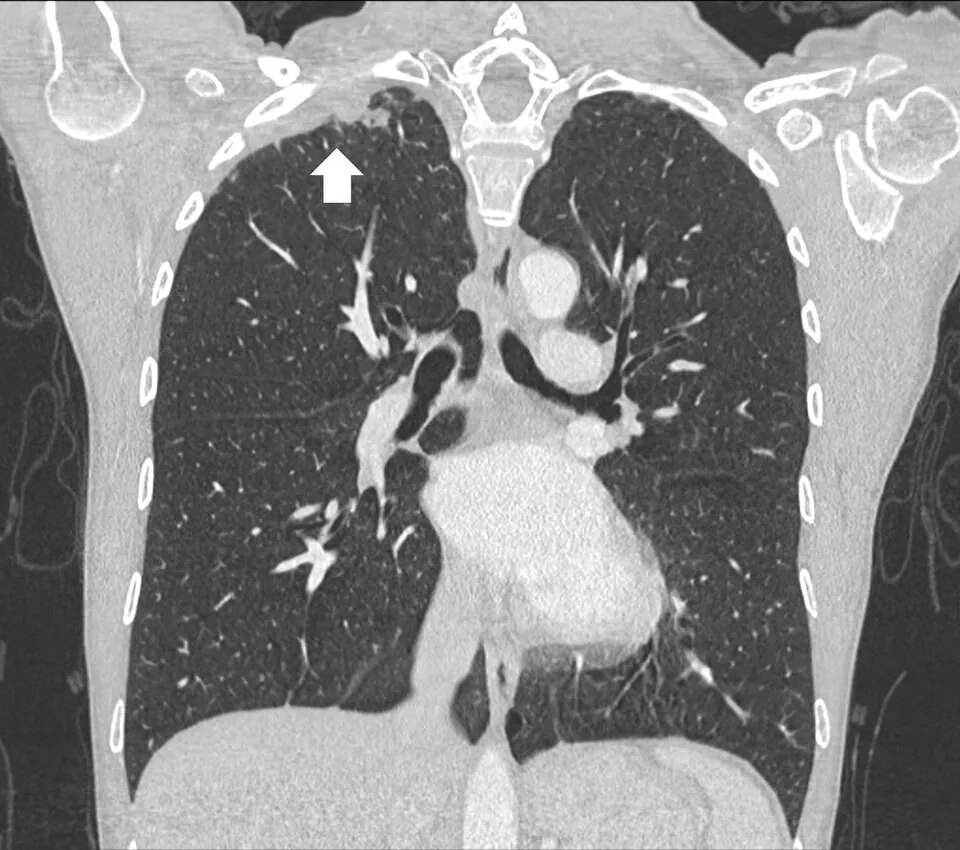
| Pancoast tumour | Smoker, shoulder pain, Horner, hand wasting | Chest CT or MRI apex |
| Radiation-induced plexopathy | Previous breast or lymphoma radiotherapy, slowly progressive, often painless | MRI; EMG myokymia |
| Stroke | Sudden arm weakness with UMN signs and face involvement | CT or MRI brain |
Exam pearls
Guideline
ACOG Task Force report on neonatal brachial plexus palsy (2nd ed, 2014), expert consensus on adult traumatic brachial plexus injury (timing of exploration and reconstruction), and AANEM electrodiagnostic standards
References
- American College of Obstetricians and Gynecologists. Neonatal brachial plexus palsy. Task Force report, 2nd ed. ACOG 2014.
- Limthongthang R, Bachoura A, Songcharoen P, Osterman AL. Adult brachial plexus injury: evaluation and management. Orthop Clin North Am 2013.
- van Eijk JJ, Groothuis JT, Van Alfen N. Neuralgic amyotrophy: an update on diagnosis, pathophysiology, and treatment. Muscle Nerve 2016.
- Ropper AH, Samuels MA, Klein JP, Prasad S.. Adams and Victor's Principles of Neurology. 2023.
- Standring S, ed.. Gray's Anatomy: The Anatomical Basis of Clinical Practice. 2020.
- Papadakis MA, Rabow MW, McQuaid KR, eds.. CURRENT Medical Diagnosis & Treatment 2026. 2026.
Related topics
By Dr Khalid Seidi (B.Sc., M.D.) · MedEd World Clinical Knowledge library. Original teaching content checked against current guidelines (November 2026); confirm the latest local guidance before clinical use. Not a substitute for clinical judgement.