Clinical Knowledge › Internal medicine › Infectious diseases › Tuberculosis and mycobacterial infections
Drug-resistant tuberculosis
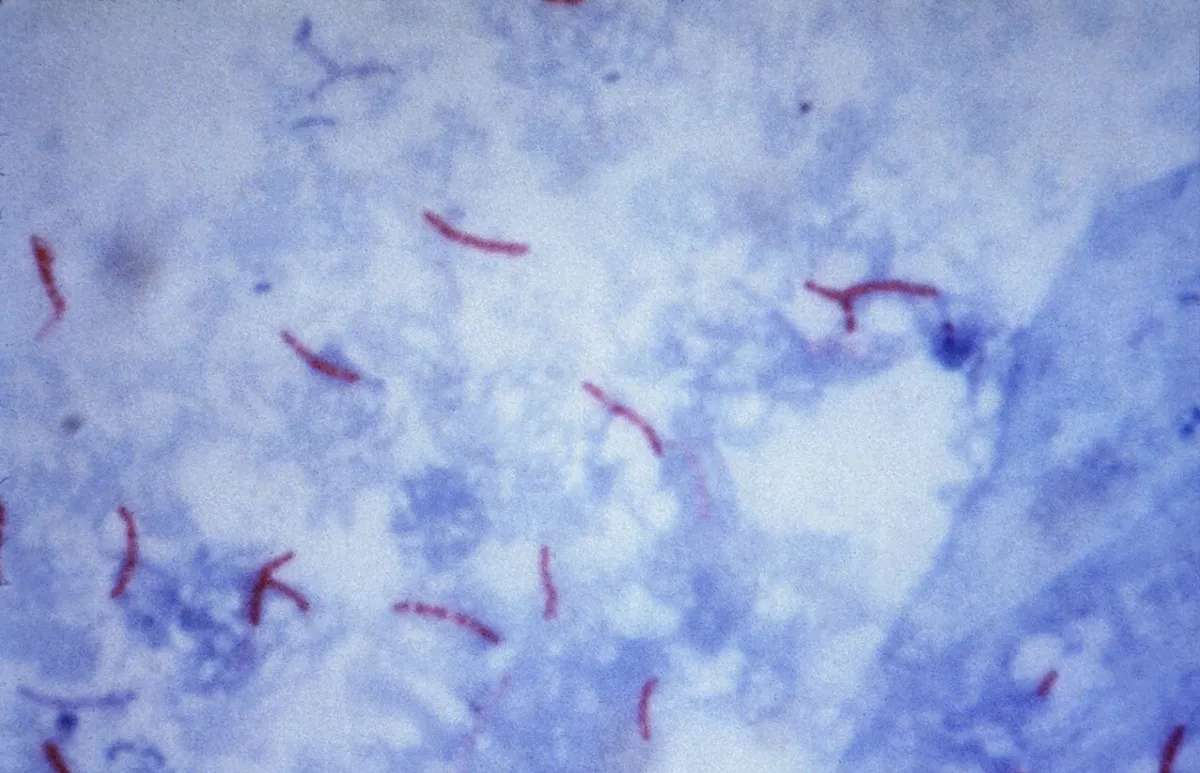
Drug-resistant tuberculosis (DR-TB) is disease caused by Mycobacterium tuberculosis strains resistant to one or more antituberculosis drugs. The key categories are isoniazid-resistant TB, rifampicin-resistant TB (RR-TB), multidrug-resistant TB (MDR-TB: resistant to isoniazid and rifampicin), pre-extensively drug-resistant TB (MDR/RR plus fluoroquinolone resistance) and extensively drug-resistant TB (XDR-TB: additionally resistant to bedaquiline or linezolid). WHO estimates about 400 000 new MDR/RR-TB cases each year, and fewer than half are diagnosed and treated. Resistance arises from chromosomal mutations selected by inadequate treatment, but most cases now result from direct transmission of resistant strains. Features match drug-susceptible TB; suspicion rests on previous treatment, DR-TB contact or failure to convert. Every patient should have rapid molecular testing for rifampicin resistance, followed by tests for fluoroquinolone and isoniazid resistance and culture-based susceptibility testing. Treatment has been transformed by short all-oral regimens: 6-month BPaLM and, since the 2024–2025 WHO updates, other 6- and 9-month regimens, which cure most. Monitoring for QT prolongation, myelosuppression and neuropathy, adherence support and contact management are essential.
Patient case, mechanism, investigations, management, flashcards and exam-style questions.Open the lesson →
Key facts
- MDR-TB = resistance to at least isoniazid and rifampicin; RR-TB is managed in the same way
- Pre-XDR = MDR/RR plus fluoroquinolone resistance; XDR = pre-XDR plus resistance to bedaquiline and/or linezolid (WHO 2021)
- Resistance is due to chromosomal mutations (rpoB, katG, inhA, gyrA, Rv0678), not plasmids
- Most MDR-TB today is transmitted (primary) rather than acquired during treatment
- Xpert MTB/RIF Ultra detects rifampicin resistance in about 2 hours by finding rpoB mutations
- 6-month BPaLM (bedaquiline, pretomanid, linezolid, moxifloxacin) is preferred for MDR/RR-TB in people aged 14 years and over
- Isoniazid-resistant, rifampicin-susceptible TB: 6 months of rifampicin, ethambutol, pyrazinamide and levofloxacin
- Monitor ECG (QTcF), full blood count, vision and peripheral nerves; household contacts can receive levofloxacin preventive therapy
Differential diagnosis
| Condition | Clues | Key test |
|---|---|---|
| Non-adherence to drug-susceptible treatment | Missed doses, irregular collection | Treatment history; adherence review; DST on new sample |
| Paradoxical reaction or IRIS | Worsening after initial improvement, often after ART | Culture negative or converting; no resistance on Xpert |
| Non-tuberculous mycobacterial disease | AFB-positive but Xpert negative, structural lung disease | Culture with species identification |
| Malabsorption or drug interactions | Low drug levels, diarrhoea, HIV, diabetes | Therapeutic drug monitoring where available |
| Chronic pulmonary aspergillosis | Post-TB cavity, persistent symptoms, negative cultures | Aspergillus IgG; CT |
| Lung cancer | Older smoker, mass, no microbiological response | CT and biopsy |
Exam pearls
Guideline
WHO consolidated guidelines on tuberculosis, Module 4: treatment and care (2025), Module 3: rapid diagnostics (2024), and ATS/CDC/ERS/IDSA drug-resistant TB guideline (2019)
References
- World Health Organization. WHO consolidated guidelines on tuberculosis. Module 4: treatment and care. WHO, Geneva 2025.
- World Health Organization. WHO consolidated guidelines on tuberculosis. Module 3: diagnosis – rapid diagnostics for tuberculosis detection. WHO, Geneva 2024.
- World Health Organization. Global tuberculosis report 2025. WHO, Geneva 2025.
- World Health Organization. Meeting report of the WHO expert consultation on the definition of extensively drug-resistant tuberculosis. WHO, Geneva 2021.
- Nahid P, Mase SR, Migliori GB, et al.. Treatment of drug-resistant tuberculosis. An official ATS/CDC/ERS/IDSA clinical practice guideline. Am J Respir Crit Care Med 2019.
- Conradie F, Diacon AH, Ngubane N, et al.. Treatment of highly drug-resistant pulmonary tuberculosis. N Engl J Med 2020.
Related topics
By Dr Khalid Seidi (B.Sc., M.D.) · MedEd World Clinical Knowledge library. Original teaching content checked against current guidelines (November 2026); confirm the latest local guidance before clinical use. Not a substitute for clinical judgement.