Clinical Knowledge › Internal medicine › Rheumatology and immunology › Connective tissue diseases
Familial Mediterranean fever and periodic fever syndromes
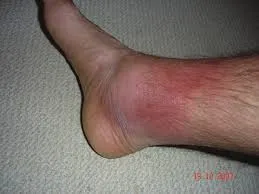
Periodic fever syndromes are autoinflammatory diseases: the innate immune system, particularly the inflammasome and interleukin-1 (IL-1), fires without autoantibodies or infection. They cause recurrent, self-limiting attacks of fever and inflammation with normal health in between. Familial Mediterranean fever (FMF) is the commonest. It is autosomal recessive (MEFV gene, encoding pyrin) and frequent in Turkish, Armenian, Arab and Jewish populations. Attacks last 12–72 hours, with fever plus peritonitis, pleuritis, monoarthritis or an erysipelas-like rash on the lower leg. CRP and serum amyloid A rise during attacks. The key long-term risk is AA amyloidosis with nephrotic syndrome and kidney failure. Lifelong daily colchicine prevents attacks and amyloidosis, and the 2024 EULAR/PReS recommendations stress adherence. IL-1 blockers (anakinra, canakinumab) are used for colchicine-resistant disease. Other syndromes include TRAPS, mevalonate kinase deficiency, cryopyrin-associated periodic syndromes and the non-hereditary PFAPA syndrome of young children.
Patient case, mechanism, investigations, management, flashcards and exam-style questions.Open the lesson →
Key facts
- Autoinflammatory diseases: innate immune (inflammasome, IL-1) activation without autoantibodies
- FMF: autosomal recessive MEFV (pyrin) mutations; M694V homozygosity gives the most severe disease
- Common in Turkish, Armenian, Arab and Sephardic Jewish populations; onset usually before age 20
- Attacks of fever with peritonitis, pleuritis, monoarthritis or erysipelas-like erythema last 12–72 hours
- CRP and serum amyloid A rise during attacks; check them between attacks to detect subclinical inflammation
- AA amyloidosis (proteinuria, nephrotic syndrome) is the most serious complication and is preventable
- Lifelong daily colchicine is first-line, safe in pregnancy and breastfeeding; do not stop it
- Colchicine-resistant FMF (about 5–10%): add an IL-1 blocker (anakinra or canakinumab)
Differential diagnosis
| Condition | Clues | Key test |
|---|---|---|
| TRAPS (TNF receptor-associated periodic syndrome) | Attacks over 1 week, migratory myalgia with overlying rash, periorbital oedema; autosomal dominant | TNFRSF1A genetic testing |
| Mevalonate kinase deficiency (hyper-IgD syndrome) | Infant onset, 3–7 day attacks after vaccines, cervical nodes, diarrhoea, mouth ulcers | Urinary mevalonic acid in attack; MVK genetics |
| Cryopyrin-associated periodic syndromes | Cold-induced urticaria-like rash, deafness, conjunctivitis; neonatal meningitis in severe form | NLRP3 genetic testing |
| PFAPA syndrome | Child under 5, clockwork fevers every 3–6 weeks with aphthae, pharyngitis, cervical adenitis | Clinical; single dose of prednisolone aborts attack |
| Acute appendicitis or surgical abdomen | Persistent localised pain, no previous identical episodes | Imaging; symptoms do not settle within 72 hours |
| Recurrent infection or cyclic neutropenia | Fever with infections every 21 days, mouth ulcers | Serial neutrophil counts |
| Adult-onset Still disease | Daily quotidian fever, salmon rash, arthritis, very high ferritin | Ferritin, Yamaguchi criteria |
| Behçet disease | Oral and genital ulcers, uveitis, pathergy | Clinical criteria (ICBD) |
Exam pearls
Guideline
EULAR/PReS recommendations for the management of FMF: 2024 update, Eurofever/PRINTO 2019 classification criteria and 2021 EULAR/ACR points to consider for IL-1-mediated autoinflammatory diseases
References
- Ozen S, Sağ E, Oton T, et al.. EULAR/PReS endorsed recommendations for the management of familial Mediterranean fever (FMF): 2024 update. Ann Rheum Dis 2025.
- Ozen S, Demirkaya E, Erer B, et al.. EULAR recommendations for the management of familial Mediterranean fever. Ann Rheum Dis 2016.
- Gattorno M, Hofer M, Federici S, et al.. Classification criteria for autoinflammatory recurrent fevers. Ann Rheum Dis 2019.
- Romano M, Arici ZS, Piskin D, et al.. The 2021 EULAR/American College of Rheumatology points to consider for diagnosis, management and monitoring of the interleukin-1 mediated autoinflammatory diseases: cryopyrin-associated periodic syndromes, tumour necrosis factor receptor-associated periodic syndrome, mevalonate kinase deficiency, and deficiency of the interleukin-1 receptor antagonist. Ann Rheum Dis 2022.
- De Benedetti F, Gattorno M, Anton J, et al.. Canakinumab for the treatment of autoinflammatory recurrent fever syndromes. N Engl J Med 2018.
- Livneh A, Langevitz P, Zemer D, et al.. Criteria for the diagnosis of familial Mediterranean fever. Arthritis Rheum 1997.
Related topics
By Dr Khalid Seidi (B.Sc., M.D.) · MedEd World Clinical Knowledge library. Original teaching content checked against current guidelines (November 2026); confirm the latest local guidance before clinical use. Not a substitute for clinical judgement.