Clinical Knowledge › Internal medicine › Rheumatology and immunology › Connective tissue diseases
Systemic lupus erythematosus (SLE)
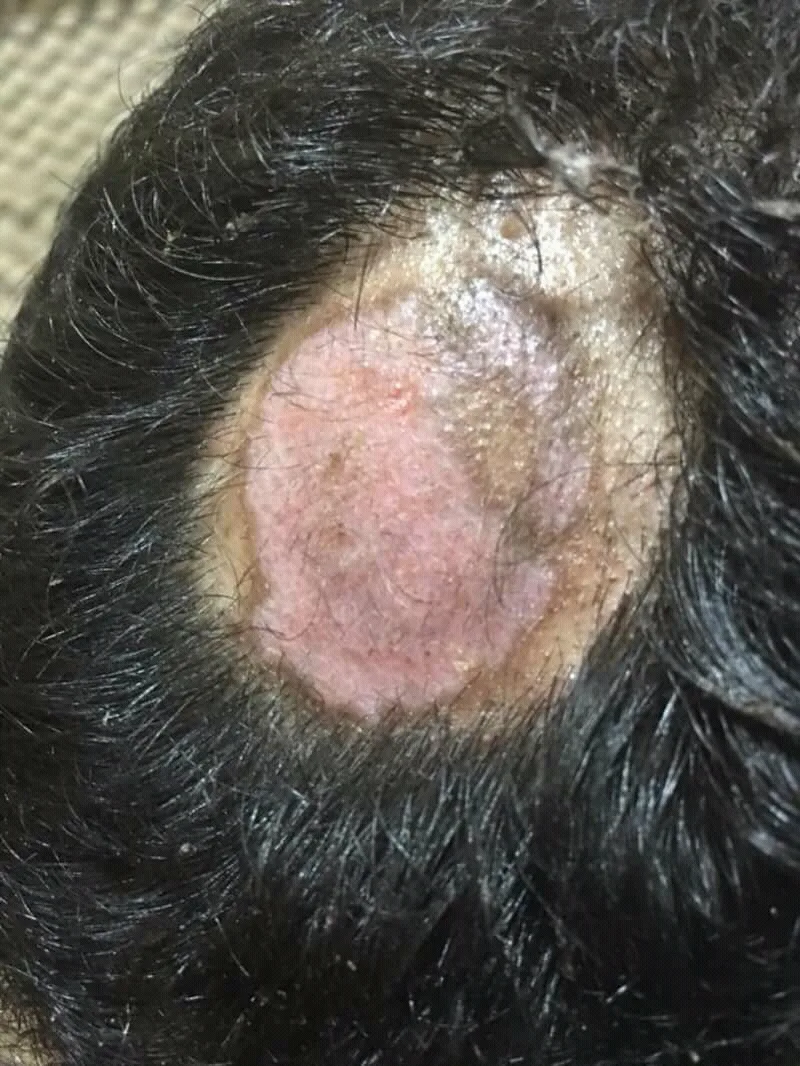
Systemic lupus erythematosus (SLE) is a chronic, relapsing multisystem autoimmune disease driven by loss of tolerance to nuclear antigens, type I interferon activation, autoantibody production and immune-complex deposition. It mainly affects women of reproductive age, with more frequent and severe disease in people of African, Asian and Hispanic ancestry. Common features are fatigue, fever, non-erosive arthritis, photosensitive and malar rashes, oral ulcers, alopecia, serositis, cytopenias and Raynaud phenomenon; nephritis and neuropsychiatric disease determine much of the prognosis. Almost all patients have a positive ANA, which is the entry criterion of the 2019 EULAR/ACR classification; anti-dsDNA and anti-Smith are specific, and low C3 and C4 with rising anti-dsDNA indicate activity. Hydroxychloroquine (no more than 5 mg/kg/day) is recommended for every patient. Glucocorticoids should be minimised to 5 mg/day prednisolone or less, with early steroid-sparing therapy: methotrexate, azathioprine, mycophenolate, belimumab or anifrolumab, and cyclophosphamide, rituximab or newer agents for organ-threatening disease. Long-term care addresses cardiovascular risk, infection, bone health, pregnancy planning and antiphospholipid antibodies.
Patient case, mechanism, investigations, management, flashcards and exam-style questions.Open the lesson →
Key facts
- About 90% of patients are women, typically aged 15–45; disease is commoner and more severe in Black, Asian and Hispanic populations
- ANA (titre 1:80 or more on HEp-2 cells) is positive in about 98%: the entry criterion for 2019 EULAR/ACR classification
- Anti-dsDNA and anti-Smith are highly specific; anti-dsDNA and low C3/C4 track activity and nephritis
- 2019 EULAR/ACR classification needs ANA plus at least 10 weighted points with at least one clinical criterion
- Hydroxychloroquine for all patients unless contraindicated, at no more than 5 mg/kg actual body weight daily, with retinal screening
- Keep maintenance glucocorticoid at 5 mg/day prednisolone or less and stop if possible; add steroid-sparing drugs early
- Belimumab (anti-BLyS) and anifrolumab (type I interferon receptor antibody) are licensed biologics for active SLE
- High ESR with normal CRP is typical of active SLE; a high CRP suggests infection or serositis
Differential diagnosis
| Condition | Clues | Key test |
|---|---|---|
| Drug-induced lupus | Arthralgia, serositis after hydralazine, procainamide, isoniazid, minocycline or anti-TNF; rarely renal or CNS | Anti-histone antibodies; anti-dsDNA usually negative (except anti-TNF); normal complement |
| Rheumatoid arthritis | Erosive symmetrical polyarthritis, nodules | Anti-CCP, erosions on X-ray |
| Undifferentiated or mixed connective tissue disease | Raynaud, puffy hands, myositis, overlap features | Anti-U1 RNP (high titre in MCTD) |
| Sjögren syndrome | Sicca symptoms, parotid swelling | Anti-Ro/La, Schirmer test, salivary gland biopsy |
| Viral infection (parvovirus B19, EBV, HIV) | Acute fever, rash, arthritis, cytopenias, transient ANA | Viral serology and PCR |
| Dermatomyositis | Heliotrope rash, Gottron papules, proximal weakness | CK, myositis-specific antibodies |
| Immune thrombocytopenia or autoimmune haemolysis alone | Isolated cytopenia | ANA and other organ assessment; may precede SLE |
| Fibromyalgia with low-titre ANA | Widespread pain, fatigue, no objective signs | Normal complement, no specific antibodies |
Exam pearls
Guideline
EULAR recommendations for the management of SLE: 2023 update, 2025 ACR guideline for the treatment of SLE, 2019 EULAR/ACR classification criteria and KDIGO 2024 lupus nephritis guideline
References
- Fanouriakis A, Kostopoulou M, Andersen J, et al.. EULAR recommendations for the management of systemic lupus erythematosus: 2023 update. Ann Rheum Dis 2024.
- American College of Rheumatology. 2025 American College of Rheumatology (ACR) guideline for the treatment of systemic lupus erythematosus. Arthritis Rheumatol 2025.
- Aringer M, Costenbader K, Daikh D, et al.. 2019 European League Against Rheumatism/American College of Rheumatology classification criteria for systemic lupus erythematosus. Arthritis Rheumatol 2019.
- Kidney Disease: Improving Global Outcomes. KDIGO 2024 clinical practice guideline for the management of lupus nephritis. Kidney Int 2024.
- Morand EF, Furie R, Tanaka Y, et al.. Trial of anifrolumab in active systemic lupus erythematosus. N Engl J Med 2020.
- Furie R, Rovin BH, Houssiau F, et al.. Two-year, randomized, controlled trial of belimumab in lupus nephritis. N Engl J Med 2020.
Related topics
By Dr Khalid Seidi (B.Sc., M.D.) · MedEd World Clinical Knowledge library. Original teaching content checked against current guidelines (November 2026); confirm the latest local guidance before clinical use. Not a substitute for clinical judgement.