Clinical Knowledge › Neurology › Epilepsy and seizures
Generalised tonic–clonic seizures
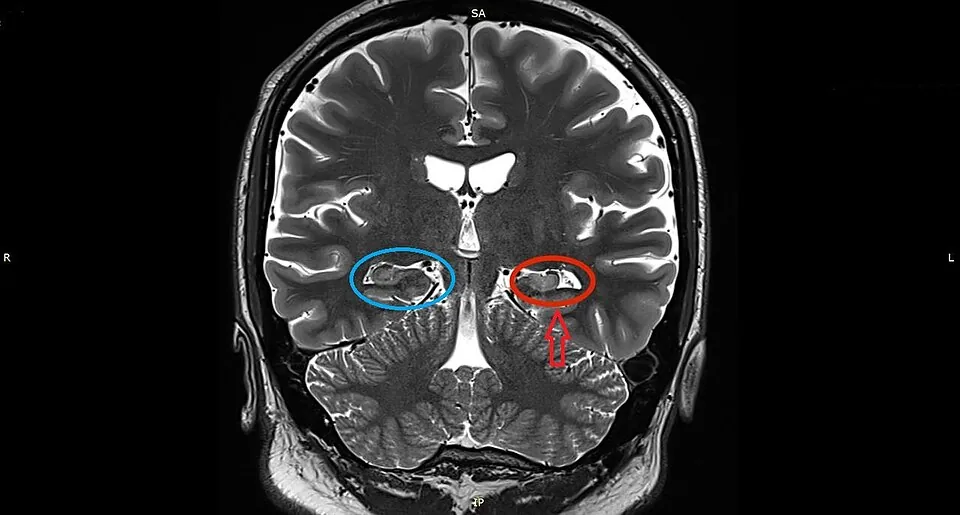
A generalised tonic–clonic seizure (GTCS) is an epileptic seizure with bilateral motor involvement: sudden loss of consciousness, a tonic phase of stiffening (often with an initial cry, cyanosis and falls), then a clonic phase of rhythmic jerking, followed by a postictal period of confusion, drowsiness and muscle pain. It may be generalised from onset (idiopathic generalised epilepsies, metabolic or toxic provocation) or start focally and spread (focal to bilateral tonic–clonic seizure), a distinction that changes investigation and drug choice. Diagnosis is clinical and rests on an eyewitness account, ideally a smartphone video; lateral tongue biting, a prolonged postictal phase and raised creatine kinase or lactate support it. Every first seizure needs glucose, electrolytes, ECG, an assessment for provoking factors, and specialist review with EEG and MRI. Acute care is airway protection, timing the event and rescue benzodiazepine if it lasts 5 minutes or more. Long-term antiseizure medication is chosen by syndrome, sex and pregnancy potential, with driving, safety and SUDEP counselling.
Patient case, mechanism, investigations, management, flashcards and exam-style questions.Open the lesson →
Key facts
- GTCS = bilateral tonic stiffening then clonic jerking with loss of consciousness; typical duration 1–2 minutes
- Ask whether onset was focal (aura, head version, unilateral jerking, Todd paresis): focal to bilateral tonic–clonic seizures imply a structural cause until MRI proves otherwise
- Lateral tongue bite, eyes open during the event, cyanosis and postictal confusion favour epilepsy over syncope; eyes closed and pelvic thrusting favour functional seizures
- A seizure lasting 5 minutes or more, or repeated seizures without recovery, is convulsive status epilepticus: give a benzodiazepine
- First-seizure work-up: glucose, sodium, calcium, magnesium, ECG; urgent CT if head injury, anticoagulation, focal deficit or persistent confusion; then EEG and MRI (epilepsy protocol)
- Epilepsy can be diagnosed after one unprovoked seizure if recurrence risk is at least 60% (for example epileptiform EEG or relevant MRI lesion)
- NICE first line for generalised tonic–clonic seizures: valproate (only when pregnancy is not possible and regulatory rules are met); lamotrigine or levetiracetam otherwise
- Frequent nocturnal GTCS is the strongest risk factor for SUDEP; seizure control and supervision reduce risk
Differential diagnosis
| Condition | Clues | Key test |
|---|---|---|
| Convulsive (reflex anoxic) syncope | Trigger (standing, pain, heat), pallor, brief jerks under 15 s, rapid recovery | ECG, lying/standing BP, tilt test |
| Cardiac arrhythmia (long QT, complete heart block) | Exertional or supine collapse, palpitations, family history of sudden death | 12-lead ECG, ambulatory monitoring |
| Functional (dissociative) seizures | Eyes closed, side-to-side head movement, waxing and waning, long duration, recall | Video-EEG of a typical event |
| Hypoglycaemia | Diabetes on insulin or sulfonylurea, sweating before event | Capillary glucose at the time |
| Hyponatraemia or other metabolic cause | Diuretics, alcohol, SSRIs, polydipsia, confusion | Serum sodium, calcium, magnesium |
| Alcohol or benzodiazepine withdrawal seizure | 6–48 h after last drink, tremor, sweating | History, CIWA-Ar, exclude head injury |
| Focal to bilateral seizure from a lesion | Aura, head version, Todd paresis | MRI brain, EEG |
Exam pearls
Guideline
NICE NG217 Epilepsies in children, young people and adults (2022), ILAE seizure classification (2017; 2025 update), MHRA valproate safety measures (2024–2025)
References
- National Institute for Health and Care Excellence. Epilepsies in children, young people and adults (NG217). NICE 2022.
- Fisher RS, Cross JH, French JA, et al.. Operational classification of seizure types by the International League Against Epilepsy: position paper of the ILAE Commission for Classification and Terminology. Epilepsia 2017.
- Beniczky S, Trinka E, Wirrell E, et al.. Updated classification of epileptic seizures: position paper of the International League Against Epilepsy. Epilepsia 2025.
- Fisher RS, Acevedo C, Arzimanoglou A, et al.. ILAE official report: a practical clinical definition of epilepsy. Epilepsia 2014.
- Medicines and Healthcare products Regulatory Agency. Valproate: review of safety measures and updated advice for men and women (Drug Safety Update). MHRA 2025.
- Driver and Vehicle Licensing Agency. Assessing fitness to drive: a guide for medical professionals. DVLA 2025.
Related topics
By Dr Khalid Seidi (B.Sc., M.D.) · MedEd World Clinical Knowledge library. Original teaching content checked against current guidelines (November 2026); confirm the latest local guidance before clinical use. Not a substitute for clinical judgement.