Clinical Knowledge › Neurology › Epilepsy and seizures
Status epilepticus
Status epilepticus (SE) is a neurological emergency in which the mechanisms that stop a seizure fail or self-sustaining seizures begin. The ILAE (2015) uses two time points: t1, after which treatment must start (5 minutes for convulsive seizures, 10 minutes for focal seizures with impaired consciousness), and t2, after which long-term neuronal injury becomes likely (30 and over 60 minutes). Causes include low antiseizure drug levels in known epilepsy, stroke, alcohol withdrawal, CNS infection, metabolic derangement, toxins, tumours and autoimmune encephalitis. Management is time-critical and stepwise: secure airway, breathing and circulation and check glucose; give a benzodiazepine at 5 minutes (IV lorazepam, IM or buccal midazolam, or rectal diazepam) and repeat once; if seizures persist give a second-line drug (levetiracetam, valproate or fosphenytoin/phenytoin, which were equally effective in ESETT); if still seizing, induce general anaesthesia in intensive care with continuous EEG. Non-convulsive SE needs EEG to diagnose. Mortality is about 15–20% in adults and higher in refractory disease.
Patient case, mechanism, investigations, management, flashcards and exam-style questions.Open the lesson →
Key facts
- Convulsive SE: treat at 5 minutes (t1); risk of permanent damage after 30 minutes (t2) – ILAE 2015
- First line: IV lorazepam 0.1 mg/kg (usually 4 mg), IM midazolam 10 mg, buccal midazolam 10 mg or rectal diazepam 10–20 mg; repeat once after 5–10 minutes
- Under-dosing benzodiazepines is the commonest management error; respiratory depression is more often due to the seizure than the drug
- Second line (about 20 minutes): levetiracetam 60 mg/kg (max 4.5 g), valproate 40 mg/kg (max 3 g) or fosphenytoin 20 mg PE/kg – equal efficacy in ESETT
- Refractory SE (fails benzodiazepine and one second-line drug): anaesthetic infusion (midazolam, propofol, thiopental) with intubation and continuous EEG
- Always check capillary glucose; give thiamine before glucose if alcohol misuse or malnutrition is possible
- Eclampsia: magnesium sulfate 4 g IV over 5–15 minutes then 1 g/h; deliver the baby
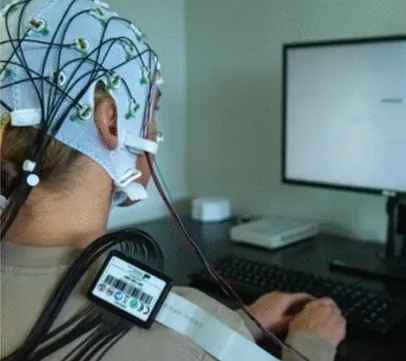
- Persistent coma after convulsions stop may be non-convulsive SE: request urgent EEG
Differential diagnosis
| Condition | Clues | Key test |
|---|---|---|
| Functional (dissociative) seizures | Eyes closed, resistance to eye opening, fluctuating, normal oxygenation | Video-EEG; normal lactate and CK |
| Rigors or sepsis | Shivering, fever, preserved awareness | Temperature, blood cultures |
| Decerebrate/decorticate posturing | Raised ICP, stereotyped extension to stimulus | CT head, pupil examination |
| Convulsive syncope | Seconds of jerks, rapid recovery | ECG, observation |
| Drug toxicity (serotonin syndrome, neuroleptic malignant syndrome) | Myoclonus, clonus, hyperthermia, rigidity | Drug history, CK |
| Movement disorders (tremor, dystonic crisis, tetanus) | Consciousness preserved | EEG, history |
Exam pearls
Guideline
ILAE definition and classification of status epilepticus (2015); American Epilepsy Society convulsive SE guideline (2016) informed by ESETT (2019); NICE NG217 (2022)
References
- Trinka E, Cock H, Hesdorffer D, et al.. A definition and classification of status epilepticus – Report of the ILAE Task Force on Classification of Status Epilepticus. Epilepsia 2015.
- Glauser T, Shinnar S, Gloss D, et al.. Evidence-based guideline: treatment of convulsive status epilepticus in children and adults. Epilepsy Curr 2016.
- Kapur J, Elm J, Chamberlain JM, et al.. Randomized trial of three anticonvulsant medications for status epilepticus. N Engl J Med 2019.
- National Institute for Health and Care Excellence. Epilepsies in children, young people and adults (NG217). NICE 2022.
- Thijs RD, Surges R, O'Brien TJ, Sander JW.. Epilepsy in adults. Lancet 2019.
- Ropper AH, Samuels MA, Klein JP, Prasad S.. Adams and Victor's Principles of Neurology. 2023.
Related topics
By Dr Khalid Seidi (B.Sc., M.D.) · MedEd World Clinical Knowledge library. Original teaching content checked against current guidelines (November 2026); confirm the latest local guidance before clinical use. Not a substitute for clinical judgement.