Clinical Knowledge › Neurology › Epilepsy and seizures
Juvenile myoclonic epilepsy
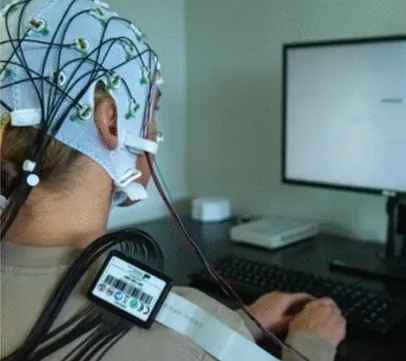
Juvenile myoclonic epilepsy (JME) is the commonest idiopathic generalised epilepsy syndrome, accounting for about 5–10% of all epilepsy. It begins between 10 and 25 years of age in otherwise healthy adolescents with normal intellect and imaging. The defining seizure type is bilateral myoclonic jerks of the arms, typically within an hour or two of waking, causing dropped cups or toothbrushes; most patients also have generalised tonic–clonic seizures, often after sleep deprivation or alcohol, and about a third have absences. Photosensitivity is common. EEG shows generalised 3–6 Hz polyspike-and-wave discharges, frequently with a photoparoxysmal response. Valproate is the most effective drug but is avoided in women and girls who can become pregnant and is restricted under current regulatory rules; levetiracetam is the usual alternative, and lamotrigine can worsen myoclonus. Carbamazepine, oxcarbazepine, phenytoin, gabapentin and vigabatrin aggravate seizures. Seizures respond well to treatment, but relapse after withdrawal is common and lifelong treatment is often needed.
Patient case, mechanism, investigations, management, flashcards and exam-style questions.Open the lesson →
Key facts
- JME = myoclonic jerks on waking + generalised tonic–clonic seizures ± absences, onset 10–25 years (peak about 15)
- Normal development, normal examination and normal MRI; strong family history and polygenic inheritance
- Triggers: sleep deprivation, alcohol, flashing lights, stress and early waking
- EEG: generalised 3–6 Hz polyspike-and-wave; photoparoxysmal response in about 30–40%
- Myoclonus is frequently missed because patients do not report jerks; ask directly about morning clumsiness
- Valproate is most effective; levetiracetam is preferred for women and girls who can become pregnant
- Avoid carbamazepine, oxcarbazepine, phenytoin, gabapentin, pregabalin, tiagabine and vigabatrin: they aggravate myoclonus and absences
- Excellent response to treatment, but 70–80% relapse if medication is withdrawn
Differential diagnosis
| Condition | Clues | Key test |
|---|---|---|
| Juvenile absence epilepsy | Absences dominate, myoclonus rare | EEG 3–4 Hz spike-wave with absences |
| Epilepsy with GTCS alone | Tonic–clonic seizures only, often on waking | EEG generalised spike-wave without myoclonus |
| Progressive myoclonus epilepsy (Unverricht–Lundborg, Lafora) | Cognitive decline, ataxia, worsening myoclonus | Genetic testing, skin biopsy (Lafora bodies) |
| Focal epilepsy with bilateral spread | Aura, lateralised features | EEG focal spikes, MRI lesion |
| Physiological hypnic jerks | Jerks only on falling asleep, no seizures | Clinical; normal EEG |
| Functional jerks | Variable, distractible, with emotional triggers | Video-EEG, Bereitschaftspotential |
Exam pearls
Guideline
ILAE definition of idiopathic generalised epilepsy syndromes (2022); NICE NG217 Epilepsies (2022); MHRA valproate safety measures (2024–2025)
References
- Hirsch E, French J, Scheffer IE, et al.. ILAE definition of the idiopathic generalized epilepsy syndromes: position statement by the ILAE Task Force on Nosology and Definitions. Epilepsia 2022.
- National Institute for Health and Care Excellence. Epilepsies in children, young people and adults (NG217). NICE 2022.
- Marson A, Burnside G, Appleton R, et al.. The SANAD II study of the effectiveness and cost-effectiveness of valproate versus levetiracetam for newly diagnosed generalised and unclassifiable epilepsy: an open-label, non-inferiority, multicentre, phase 4, randomised controlled trial. Lancet 2021.
- Medicines and Healthcare products Regulatory Agency. Valproate: review of safety measures and updated advice for men and women (Drug Safety Update). MHRA 2025.
- Driver and Vehicle Licensing Agency. Assessing fitness to drive: a guide for medical professionals. DVLA 2025.
- Thijs RD, Surges R, O'Brien TJ, Sander JW.. Epilepsy in adults. Lancet 2019.
Related topics
By Dr Khalid Seidi (B.Sc., M.D.) · MedEd World Clinical Knowledge library. Original teaching content checked against current guidelines (November 2026); confirm the latest local guidance before clinical use. Not a substitute for clinical judgement.